
The Link Between Hydration and Oral Health
How Hydration Affects Your Oral Health and Dental Wellness
ByCarmy Michael, Dental Care of Rialto
Hydration is vital to oral health. Adequate water intake supports saliva production and the integrity of oral tissues, reducing the risk of dry mouth and gum disease. Poor hydration harms daily comfort and long‑term dental wellbeing. This article explains how hydration affects saliva and oral tissues, prevents dry mouth, protects gums, and offers practical steps for oral health.
Why Is Hydration Crucial for Maintaining Healthy Saliva and Oral Tissues?
Hydration is necessary for saliva production and function. Saliva is mainly water and lubricates the mouth, aids digestion, and protects teeth and gums. Sufficient fluids support tissue healing and a balanced oral microbiome, which helps prevent infection and decay. Prioritise both the amount and quality of fluids to maintain oral health.
How Does Hydration Influence Saliva Production and Function?
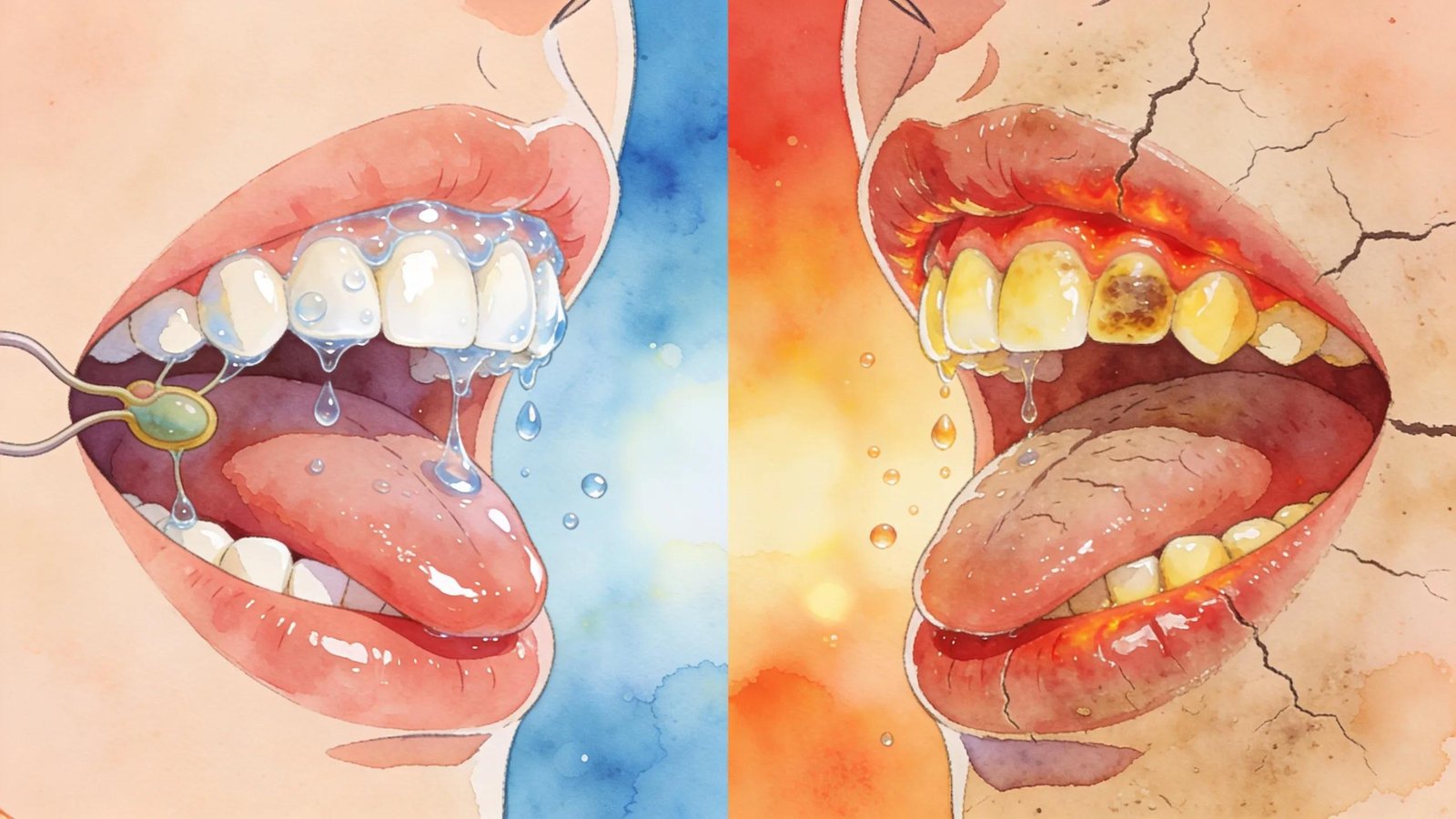
Saliva production depends on hydration. Adequate fluids produce saliva with the right volume and viscosity to neutralise acids, remove debris, and limit bacterial growth. Even mild dehydration reduces saliva flow and raises the risk of dental problems. Regular daily water intake is essential to maintain saliva function and overall oral health.
Hydration Status and Salivary Antimicrobial Proteins During Exercise
During exercise with dehydration, saliva flow rate fell while secretion rates and concentrations of certain antimicrobial proteins increased, indicating that dehydration did not impair salivary antimicrobial protein responses to endurance exercise.
The influence of hydration status during prolonged endurance exercise on salivary antimicrobial proteins, M Gleeson, 2015
What Role Does Saliva Play in Protecting Teeth Enamel and Oral Mucosa?
Saliva provides minerals, including calcium and phosphate, needed for enamel remineralisation and helps counter acid erosion that leads to cavities. It coats the oral mucosa, protecting soft tissues from irritation and infection. Maintaining healthy saliva flow reduces the risk of caries and preserves soft tissue integrity; adequate hydration is essential for these protective functions.
How Can Proper Hydration Help Prevent Dry Mouth?
Xerostomia, or dry mouth, arises from reduced saliva production and causes discomfort and difficulty speaking, chewing, or swallowing. Maintaining adequate hydration reduces these symptoms and helps preserve oral comfort.
What Causes Dry Mouth and How Does Water Intake Alleviate Symptoms?
Medications, medical conditions and lifestyle factors can reduce saliva production. Insufficient fluid dries mucous membranes, causing discomfort. Drinking water rehydrates oral tissues and stimulates saliva secretion, relieving dryness and restoring lubrication.
Which Hydration Strategies Are Recommended to Manage Xerostomia?
To manage xerostomia, adopt practical hydration strategies:
- Set daily water intake goals: Aim for at least 8-10 cups (64-80 ounces) of water daily, adjusting for activity levels and climate.
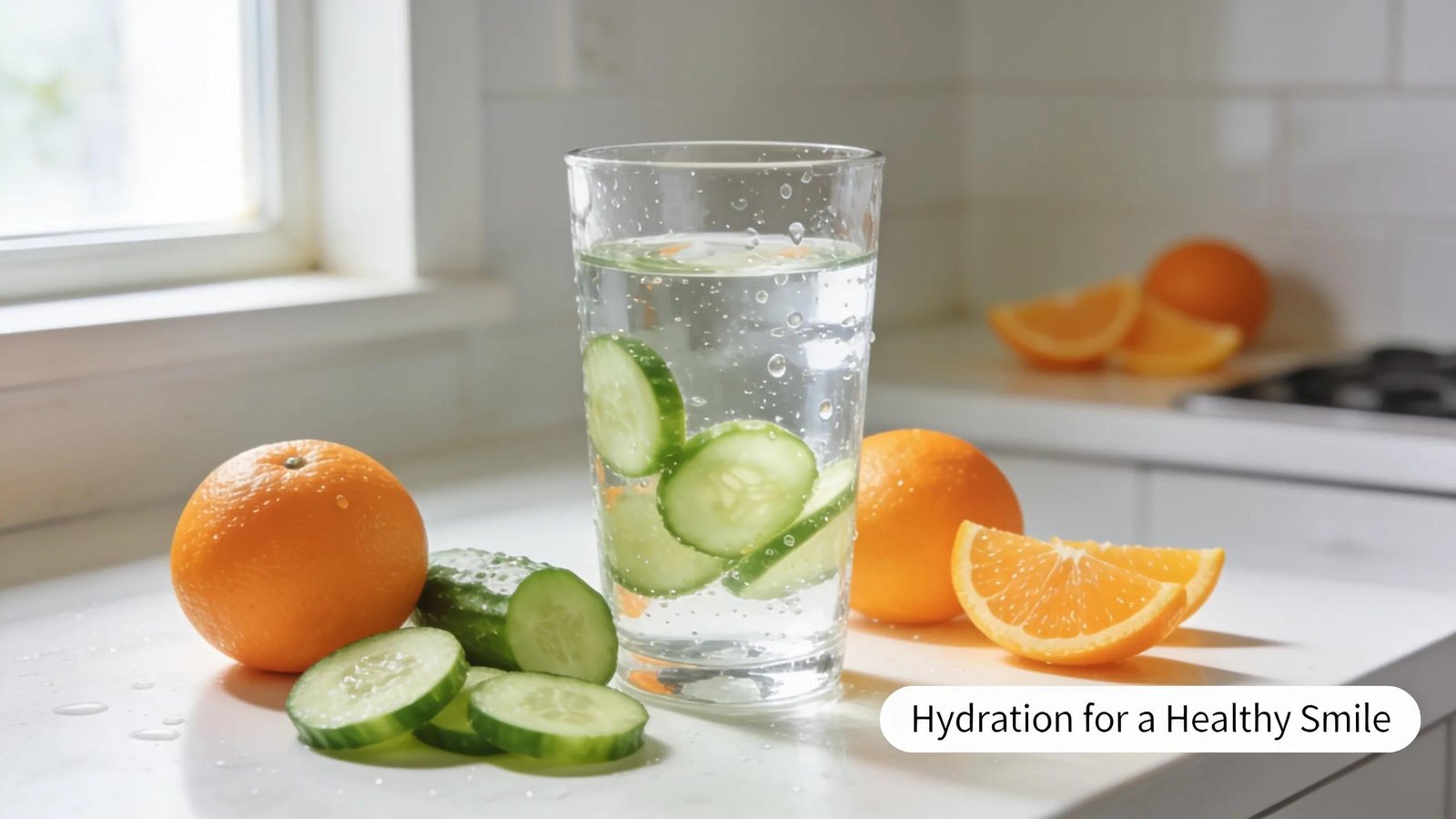
- Consume hydrating foods: Include fruits and vegetables with high water content, such as cucumbers and oranges, in your diet.
- Avoid dehydrating beverages: Limit consumption of caffeine and alcohol, as these can exacerbate dry mouth symptoms.
These measures reduce dry mouth symptoms and support oral health.
In What Ways Does Hydration Protect Against Gum Disease and Oral Infections?
Hydration helps prevent gum disease and oral infections by reducing inflammation and supporting healthy gum tissue. Adequate fluid balance promotes blood flow and nutrient delivery to the gums, improving their resilience to disease.
How Does Dehydration Increase Risk for Gum Inflammation and Infection?
Dehydration alters the oral environment in ways that favour plaque and bacterial accumulation, increasing the risk of periodontal disease. It can also impair immune function, making infections harder to control. Maintaining proper hydration is therefore important for gum health and inflammation prevention.
Which Fluids Support Optimal Gum Health Beyond Water?
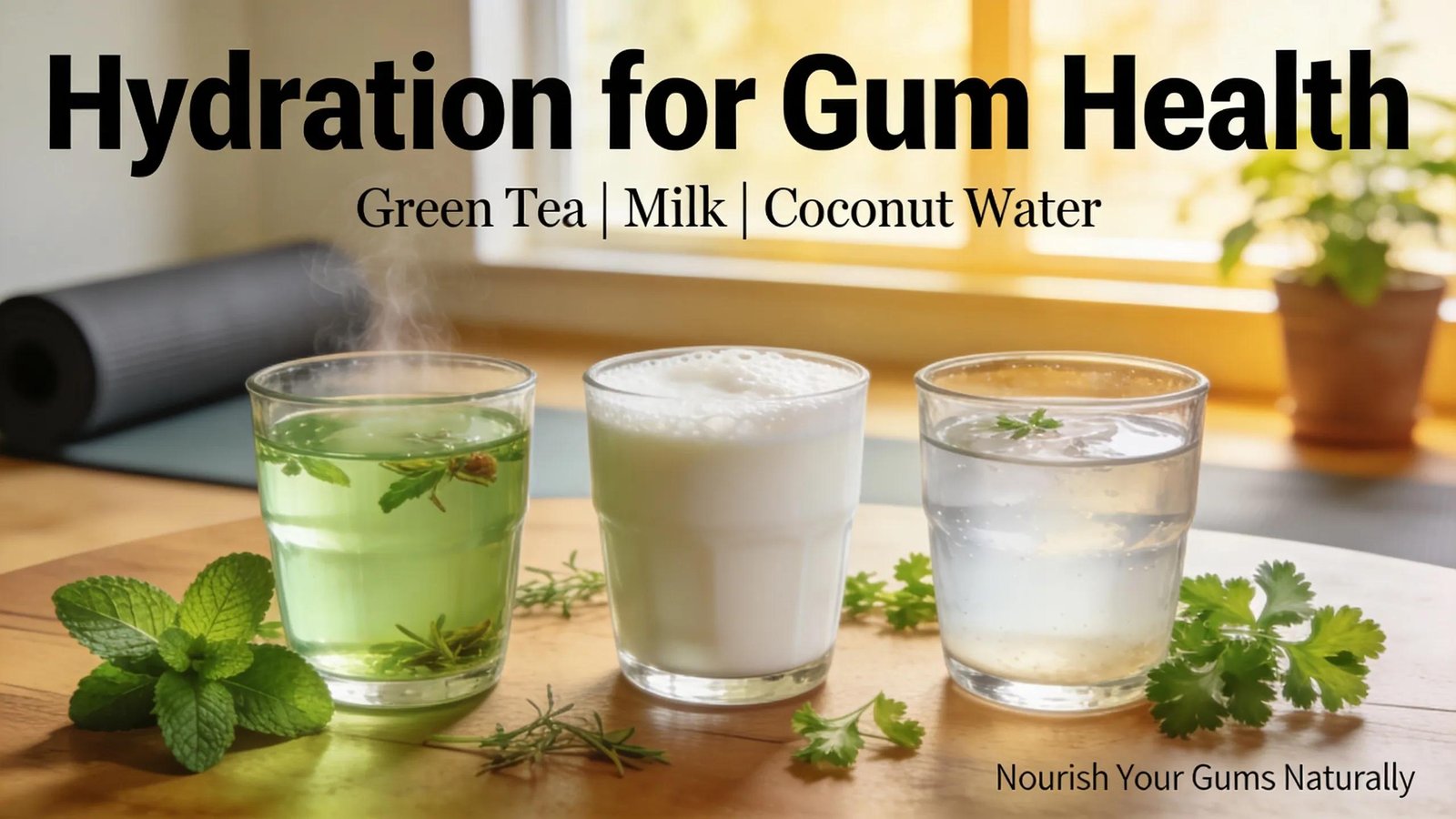
Other fluids can support gum health by offering hydration plus specific benefits. Such options include green tea, milk and coconut water, which complement water as part of a balanced approach to oral care.
- Green tea: Contains antioxidants that may help reduce inflammation and promote oral health.
- Milk: Provides calcium and phosphorus, important for maintaining strong teeth and gum tissue.
- Coconut water: Naturally hydrating and rich in electrolytes that can support overall health.
Including these beverages alongside water complements efforts to maintain healthy gums.
What Practical Hydration Tips Support Long-Term Oral Health?
Consistent hydration habits deliver sustained benefits for oral health. Being attentive to daily fluid intake can improve oral conditions and overall wellbeing.
How Much Water Should Dental Patients Drink for Optimal Oral Benefits?
Patients should aim for 8–10 cups (64–80 ounces) of water daily to support oral health. Individual needs vary with activity, climate and symptoms; increase intake when fluid loss is greater or when dry mouth is present.
What Lifestyle Habits Enhance Hydration’s Positive Effects on Oral Care?
Adopt these habits to maximise hydration’s oral benefits:
- Regularly sipping water: Keep a bottle of water handy throughout the day to promote consistent hydration.
- Choosing hydration-rich snacks: Opt for snacks like fruits, yogurt, and smoothies that contribute to overall water intake.
- Monitoring hydration status: Pay attention to symptoms of dehydration, such as thirst, dry mouth, or dark urine, and adjust fluid intake accordingly.
Adopting these habits helps prevent dry mouth and supports long‑term oral health.
The table shows how different fluids contribute to oral health. Recognising these differences helps patients choose fluids that support dental care and long‑term health.
Frequently Asked Questions
What are the symptoms of dry mouth?
Symptoms include persistent thirst, difficulty swallowing or chewing, a dry or sore throat, altered taste, bad breath and a burning sensation on the tongue. These issues can affect eating and speaking; assessing hydration and addressing underlying causes can help relieve symptoms.
How does hydration influence overall oral hygiene practices?
Adequate hydration promotes saliva production, which helps wash away food particles and neutralise acids produced by bacteria. This natural cleansing reduces plaque accumulation and complements regular brushing, flossing and dental visits. Hydration also supports immune function, aiding the body’s ability to resist oral infections.
Can dehydration affect dental treatments or procedures?
Dehydration can complicate dental examinations and cleanings by reducing the moisture needed to visualise and treat tissues effectively. It may also slow healing after procedures. Maintaining hydration before and after treatment supports comfort and recovery.
Are there specific fluids to avoid for maintaining oral hydration?
Certain beverages can worsen dehydration or harm oral tissues. High‑caffeine drinks and alcohol may have diuretic effects, while sugary and acidic drinks increase enamel erosion. For oral hydration, limit these beverages and prioritise water and low‑sugar hydrating options such as herbal teas.
How does hydration impact breath freshness?
Hydration affects breath freshness because dry mouth reduces saliva flow, allowing food debris and bacteria to build up and cause odours. Regular fluid intake supports saliva production, which helps maintain a clean oral environment and fresher breath.
What preventive measures can help maintain hydration throughout the day?
Set reminders to drink at regular intervals, keep a reusable water bottle accessible, incorporate water‑rich foods like cucumber or watermelon into meals, and develop a routine of drinking water during or after meals to maintain steady hydration.
Conclusion
Adequate hydration is fundamental to saliva production and to preventing dry mouth and gum disease. Combining sufficient water intake with hydrating foods and a consistent hydration routine helps protect teeth and gums. Apply practical strategies that suit your daily needs to support long‑term oral health.