
The Role of Artificial Intelligence in Dentistry
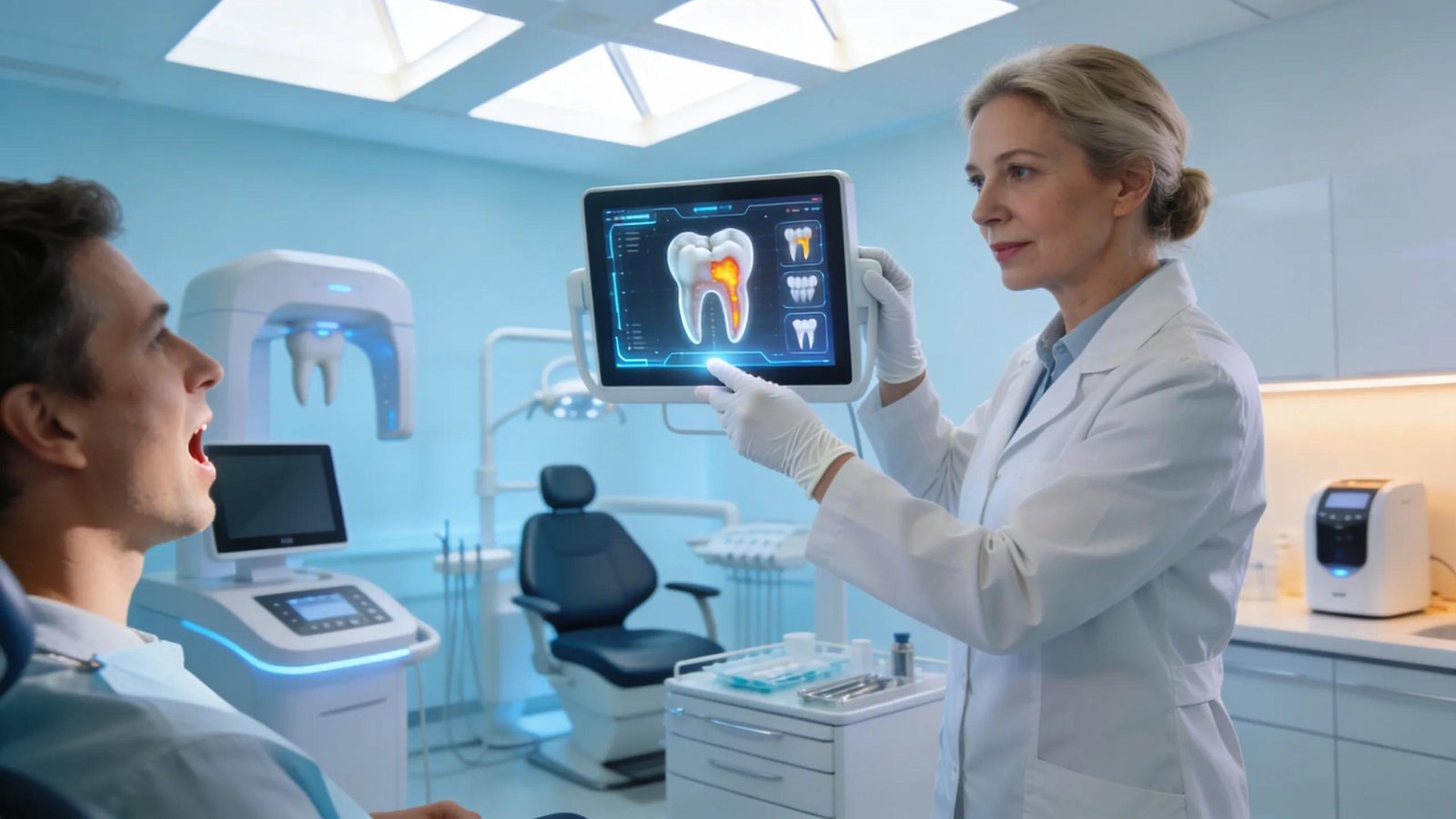
Modernizing Dentistry: How AI Enhances Patient Care
By Michael Carmy, Dental Care of Rialto
Artificial intelligence (AI) is reshaping dentistry by improving diagnostic precision, streamlining treatment planning, and supporting safer care. This article reviews AI applications in imaging, implant work, patient safety, and emerging trends. Many patients face misdiagnosis or inefficient plans; AI aims to deliver more accurate diagnoses and personalised treatment pathways. We outline how these technologies are being integrated into practice and the direct benefits they offer patients.
How Is Artificial Intelligence Transforming Diagnostic Imaging in Dentistry?
AI is changing diagnostic imaging by applying advanced algorithms to interpret visual data with greater consistency and speed. These systems help clinicians reach diagnoses more quickly and with fewer errors. When integrated into routine workflows, AI-driven tools support clinicians’ decisions and enhance the reliability of radiographic assessments.
What Are the Key AI Technologies Used in Dental Imaging?
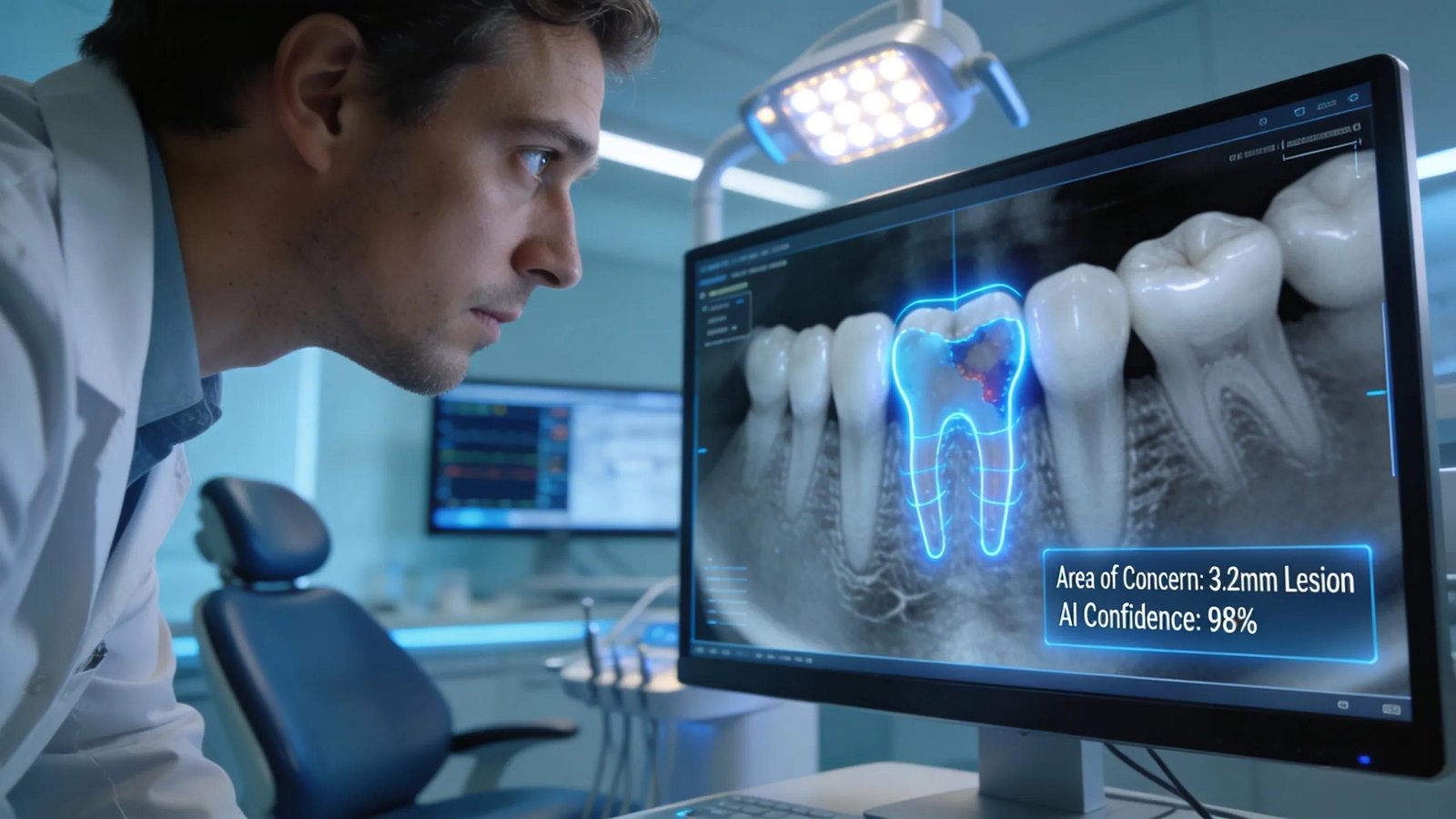
Common AI methods in dental imaging include deep learning and neural networks. These models detect image patterns and subtle signs that may be overlooked on routine review; for example, AI can assist in distinguishing healthy from diseased tissue, which streamlines diagnosis and improves consistency across cases.
Clinical research supports the role of AI in addressing specific diagnostic challenges within dental practice.
AI Accuracy in Osteoporosis Diagnosis Using Dental Images
This systematic review corroborates the accuracy of AI in OP diagnosis using dental images. Future research should expand sample sizes in test and training datasets and standardize imaging techniques to establish the reliability of AI-assisted methods in OP diagnosis through dental images.
Diagnostic accuracy of artificial intelligence models in detecting osteoporosis using dental images: a systematic review and meta-analysis, G Khadivi, 2025
How Does AI Improve Diagnostic Accuracy and Speed?
AI improves both accuracy and speed by automating image analysis and highlighting potential abnormalities for clinician review. Evidence shows these systems can identify anomalies on radiographs more quickly and, in many cases, with comparable or improved accuracy versus conventional review. Faster access to diagnostic data helps clinicians plan treatment more effectively.
Researchers have investigated AI effectiveness in identifying common oral diseases across multiple imaging modalities.
AI Algorithms for Dental Caries Detection
The objective of this systematic review was to systematically collect and analyze multiple published systematic reviews to address the following research question “Are artificial intelligence (AI) algorithms effective for the detection of dental caries?”.
Examining the diagnostic accuracy of artificial intelligence for detecting dental caries across a range of imaging modalities: An umbrella review with meta-analysis, S Arzani, 2025
What Role Does AI Play in Advancing Dental Implant Procedures?
AI supports implant dentistry by enhancing planning and predicting procedural outcomes. When used alongside clinical judgment, these tools help tailor implant strategies to individual anatomy and clinical needs, contributing to safer and more predictable results.
How Does Machine Learning Enhance Implant Treatment Planning?
Machine learning models analyse large datasets of prior implant cases and outcomes to inform planning. By comparing a patient’s anatomy and health factors with historical data, these systems can suggest implant positions and protocols with higher likelihoods of success. This predictive insight can reduce operative time and lower procedural risk when applied appropriately.
What Are the Benefits of Robotics in Dental Surgery?
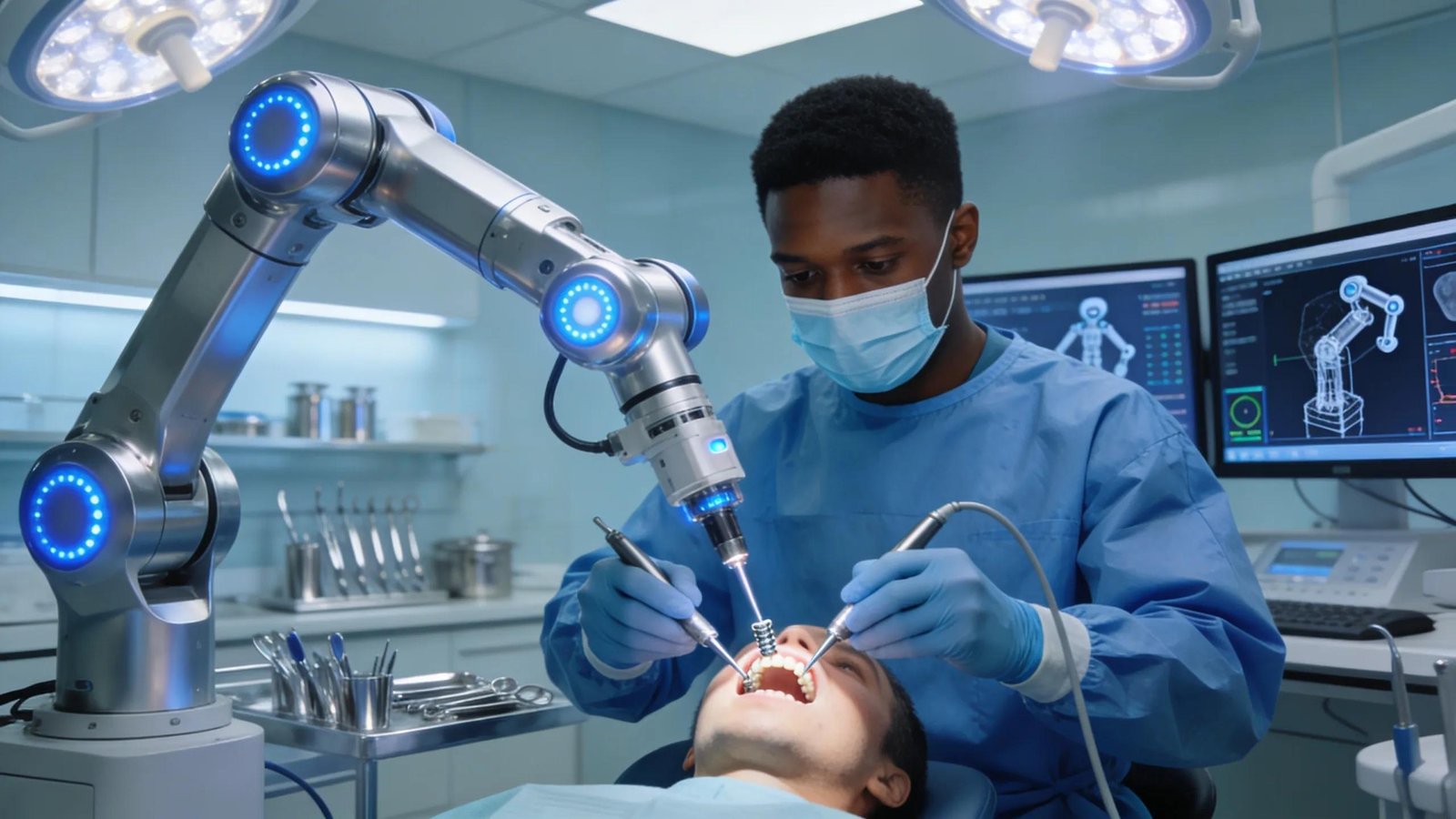
Robotics add precision to surgical tasks and can reduce tissue trauma, which may aid healing. Robotic assistance can also standardise parts of the surgical workflow, improving consistency and efficiency. When combined with careful clinical oversight, robotics can enhance patient outcomes and recovery.
What Are the Patient Benefits and Safety Considerations of AI in Dentistry?
AI’s clinical adoption aims to improve outcomes while addressing safety. Proper implementation focuses on personalised care, error reduction, and adherence to regulatory standards to protect patients and maintain confidence in treatment.
How Does AI Ensure Safer, More Personalized Dental Treatments?
AI contributes to personalised care by analysing patient histories, imaging, and clinical data to recommend appropriate treatment paths. This data-driven approach helps identify risks and optimise interventions, reducing preventable errors and supporting informed clinical decisions.
Are AI Dental Procedures Clinically Approved and Reliable?
AI-enabled tools are subject to clinical evaluation and regulatory review to verify safety and effectiveness. Regulatory bodies and peer-reviewed research provide the evidence base clinicians use to determine whether specific AI applications are suitable for practice. Where approved, these tools have become trusted aids within the dental community.
The table summarises key differences between conventional and AI-assisted care, emphasising faster diagnosis and more customised treatment plans with AI support.
What Future Trends Are Emerging in Artificial Intelligence for Dentistry?
Ongoing advances point toward deeper integration of AI into routine dental workflows. Emerging trends combine patient-centred care with stronger digital tools to support diagnosis, planning, and follow-up.
How Will AI Shape the Future of Digital Dentistry Technology?
AI will increasingly be embedded in administrative and clinical systems, such as automated triage to improve scheduling and advanced imaging analytics to refine diagnoses. These developments aim to make care delivery more efficient while preserving clinical oversight.
What Are the Expected Advances in AI Dental Diagnostics and Robotics?
Future diagnostic tools are expected to offer faster processing and finer detail detection, improving assessment accuracy. In robotics, wider adoption of automated systems for both surgical and non-surgical tasks should enhance consistency and evolve standards of care.
In summary, AI is influencing dentistry by improving diagnostic accuracy, refining treatment protocols, and supporting patient safety. As these technologies integrate into practice, they are poised to deliver more personalised, efficient, and reliable care experiences.
Frequently Asked Questions
How is AI impacting patient experience in dental care?
AI improves the patient journey by shortening diagnosis and treatment times and by supporting personalised care plans based on each patient’s data. These improvements can reduce errors and increase the reliability of interventions, which helps make appointments more efficient and less stressful for patients.
What are the challenges to implementing AI in dentistry?
Key challenges include safeguarding patient data, securing the necessary investment in technology, and overcoming practitioner reluctance to change established workflows. Adequate training and clear regulatory pathways are also essential to ensure safe and effective adoption.
Are there ethical concerns regarding AI use in dental practices?
Ethical issues focus on data protection, informed consent, and potential algorithmic bias. Practices must be transparent about AI’s role in care decisions, protect patient information, and monitor systems to prevent disparities in diagnostic accuracy across diverse populations.
What role will tele-dentistry play with AI integration?
Tele-dentistry benefits from AI through improved remote assessment and triage. AI tools can help clinicians evaluate images and patient information during virtual consultations, expanding access to care and supporting timely decision-making for remote or underserved patients.
How can AI improve post-treatment care in dentistry?
AI can support post-treatment monitoring via apps and devices that track recovery, send appointment reminders, and flag potential complications. Analysing patient outcomes helps clinicians adjust follow-up plans and respond promptly to issues during healing.
What training do dental professionals need for AI systems?
Clinicians need targeted training on how AI tools function, how to interpret their outputs, and how to integrate those outputs into clinical decision-making. Ongoing education, practical workshops, and certification programs help ensure safe and effective use.
Conclusion
The adoption of artificial intelligence in dentistry enhances diagnostic precision and enables more personalised treatment planning, contributing to safer and more efficient care. By combining AI tools with professional expertise, practices can improve patient outcomes and confidence in treatment. We encourage you to consider how validated AI solutions could support your practice and elevate patient satisfaction as technology and clinical standards continue to advance.