
Exploring the Link Between Oral Health and Dementia
Understanding the Link Between Oral Health and Cognitive Decline
By Michael Carmy,Dental Care of Rialto
Research increasingly links oral health and cognitive decline; dental care may help reduce dementia risk. This article summarizes how gum disease can affect the brain, the biological mechanisms involved, and practical oral‑hygiene steps to protect cognitive function.
Periodontal disease produces systemic inflammation that may harm cognition. We also note professional preventive services such as those offered at Dental Care of Rialto.
How Does Gum Disease Contribute to Cognitive Decline?
Gum disease is a chronic inflammatory condition linked to higher markers of systemic inflammation and an elevated risk of Alzheimer’s disease.
What Role Does Periodontal Inflammation Play in Brain Health?
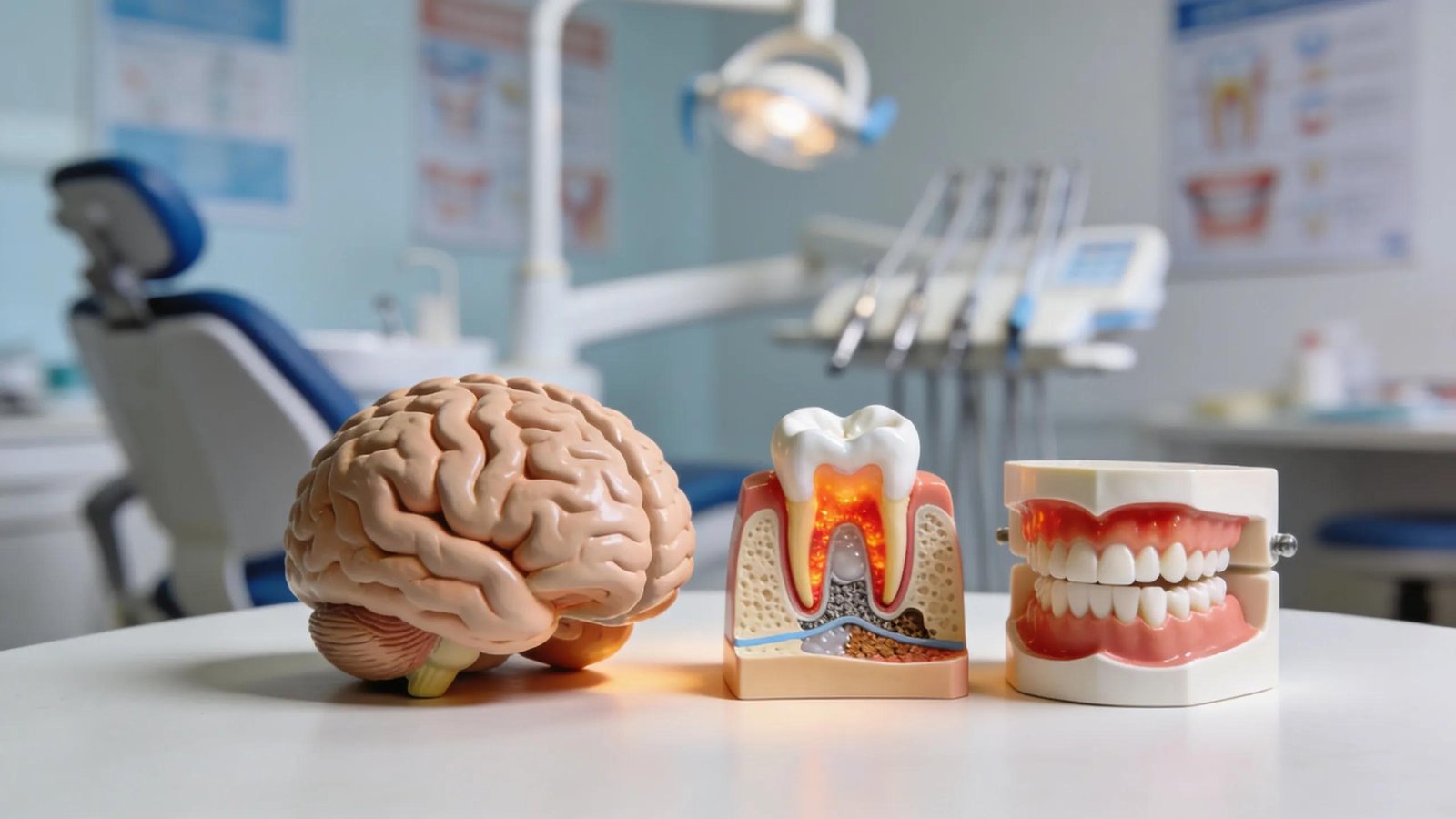
Inflamed gums release pro‑inflammatory cytokines that can reach the brain, potentially harming neurons, reducing neurogenesis and disrupting synapses. Treating periodontal inflammation may improve some markers of cognitive health.
Chronic Periodontitis and Neurodegeneration: Systemic Inflammation
Chronic periodontitis is increasingly recognised as a potential upstream contributor to neurodegenerative processes via sustained systemic inflammation, microbial imbalance and alterations to the blood–brain barrier (BBB). Human and experimental evidence links periodontal pathogens—including Porphyromonas gingivalis, Tannerella forsythia, Treponema denticola and other keystone oral taxa—to neuroinflammatory cascades associated with cognitive decline. Mechanisms identified include glial activation, elevated proinflammatory cytokines and polymicrobial virulence–mediated neuronal stress; age-related factors such as immunosenescence and microbiome shifts further increase systemic vulnerability. Biomarker and imaging studies in humans support an association between chronic periodontal inflammation and neurovascular dysfunction, suggesting oral disease can act as a persistent peripheral amplifier of central immune activation. Research into interventions—anti-inflammatory treatments, optimisation of oral hygiene, probiotic or dietary modulation, and molecular strategies such as polymicrobial-targeted approaches, gingipain inhibition and microRNA-based modulation—has begun, though progress is limited by population heterogeneity, methodological variability and the need for longitudinal validation. Integrative approaches that combine inflammatory, microbial and genetic profiling may permit individualised risk assessment and targeted prevention. Addressing the oral–brain axis represents a modifiable pathway to help reduce the burden of neurodegenerative disease as populations age.
Chronic periodontitis and systemic inflammation in the elderly: implications for neurodegeneration, JH Ahn, 2026
How Do Oral Bacteria Influence Alzheimer’s Disease Development?
Certain oral bacteria, notably Porphyromonas gingivalis, can enter the bloodstream and contribute to Alzheimer’s pathology by driving inflammation; this supports regular dental assessment to limit bacterial spread.
What Preventive Oral Hygiene Practices Help Reduce Dementia Risk?
Good oral hygiene helps reduce periodontal disease and its systemic effects. Regular brushing, interdental cleaning and professional care are key.
- Daily Brushing and Flossing: Brush twice and floss daily to remove plaque.
- Regular Dental Check-Ups: See your dentist regularly (typically twice a year) for early detection.
- Healthy Lifestyle Choices: Eat a balanced diet and limit sugary, processed foods.
Professional services such as cleanings and exams help detect and manage disease that may affect cognition.
Which Daily Oral Care Steps Support Brain Health?
- Frequent Brushing: Brush two minutes twice daily.
- Flossing: Floss daily, including between teeth.
- Use of Mouthwash: Use an antibacterial mouthwash when recommended.
These steps lower oral bacteria and inflammation, which may support cognitive outcomes.
How Often Should Seniors with Cognitive Concerns Visit the Dentist?
Seniors, especially those with cognitive concerns, should prioritise dental visits for monitoring and early care.
- Importance of Regular Visits: Frequent visits help maintain hygiene and detect issues early.
- Adapting Frequency: Visits can be scheduled every three to six months based on need.
Regular professional care supports comfort, nutrition and quality of life.
What Is the Link Between Tooth Loss, Dental Implants, and Cognitive Function?
Tooth loss impairs chewing, reducing nutrition and sensory input to the brain. Replacing or preserving teeth helps maintain function and may support cognitive health.
How Does Tooth Loss Affect Cognitive Health Over Time?
Losing teeth is associated with higher risk of decline, partly from poorer nutrition and less oral sensory stimulation.
Can Dental Implants Support Oral Function and Potentially Protect Brain Health?
Dental implants restore chewing and can improve diet and related health measures after tooth loss.
What Oral Care Guidance Is Recommended for Seniors Experiencing Cognitive Decline?

Tailored oral‑care plans simplify routines and make hygiene more reliable for people with cognitive decline.
How Can Caregivers Assist with Maintaining Oral Hygiene in Dementia Patients?
Caregivers should establish predictable routines, assist with brushing and flossing, and use clear, calm instructions to reduce distress.
- Routine Establishment: Create a simple, consistent routine the patient can follow.
- Monitoring Oral Condition: Check regularly for bleeding, swelling or signs of pain.
These measures can improve comfort, nutrition and general well‑being.
What Specialized Dental Services Are Available to Address Dementia-Related Oral Health Issues?
Adapted dental services focus on prevention, simplified care pathways and caregiver guidance.
- Preventive Care: Regular cleanings and targeted treatments manage oral disease effectively.
- Educational Resources: Provide caregivers with practical instructions and resources for daily care.
Specialised services help ensure assessment and care plans address oral and practical challenges.
Frequently Asked Questions
What is the best way to prevent gum disease and its impact on cognitive function?
Consistent hygiene—twice‑daily brushing, daily flossing and regular dental exams—plus a balanced diet reduce gum disease risk.
How do systemic diseases influence oral health and cognitive decline?
Conditions like diabetes and heart disease increase periodontal risk; managing them helps protect oral and cognitive health.
What are the signs that indicate a person may be at risk for cognitive decline due to oral health problems?
Warning signs include bad breath, bleeding or swollen gums, sensitivity, difficulty chewing and appetite changes; see a dentist promptly.
Can dietary changes positively affect oral health and cognitive function?
A nutrient‑rich diet with omega‑3s, antioxidants and vitamins supports tissue repair and brain function; reduce sugar and processed foods.
How can someone tell if their caregiver is providing adequate oral care for dementia patients?
Adequate care shows as a consistent hygiene routine, regular checks and clear caregiver communication with families and dental teams.
What role does regular exercise play in maintaining oral health and cognitive function?
Exercise improves circulation, lowers inflammation and supports overall oral and brain health when combined with good hygiene.
Conclusion
Prioritise regular dental care, consistent hygiene and early treatment of oral disease to support nutrition, reduce inflammation and help protect cognitive health. Consult a dental professional to plan care for yourself or a loved one.