
Effective Strategies for Preventing Cavities
Proven Strategies for Effective Cavity Prevention
By Michael Carmy, Dental Care of Rialto
Maintaining good oral health prevents cavities, which form when bacterial acids erode enamel after metabolising sugars. This article summarises practical, evidence‑based prevention: daily oral hygiene, appropriate fluoride use, tooth‑friendly diet choices, and dental sealants to protect chewing surfaces.
Oral Hygiene Tips
Daily brushing and flossing remove plaque and lower bacterial levels that cause decay. Use fluoride toothpaste, brush at least twice a day for two minutes, and floss once daily to clean between teeth. Regular dental exams provide professional cleaning and allow early detection of problems.
How Does Proper Brushing and Flossing Remove Dental Plaque?
Good technique improves plaque removal while protecting enamel: use a soft‑bristled brush with fluoride toothpaste, brush in gentle circular motions for two minutes covering all surfaces, and floss along the gum line to dislodge trapped food and bacteria. Together these habits reduce plaque and support gum health.
Benefits of Fluoride
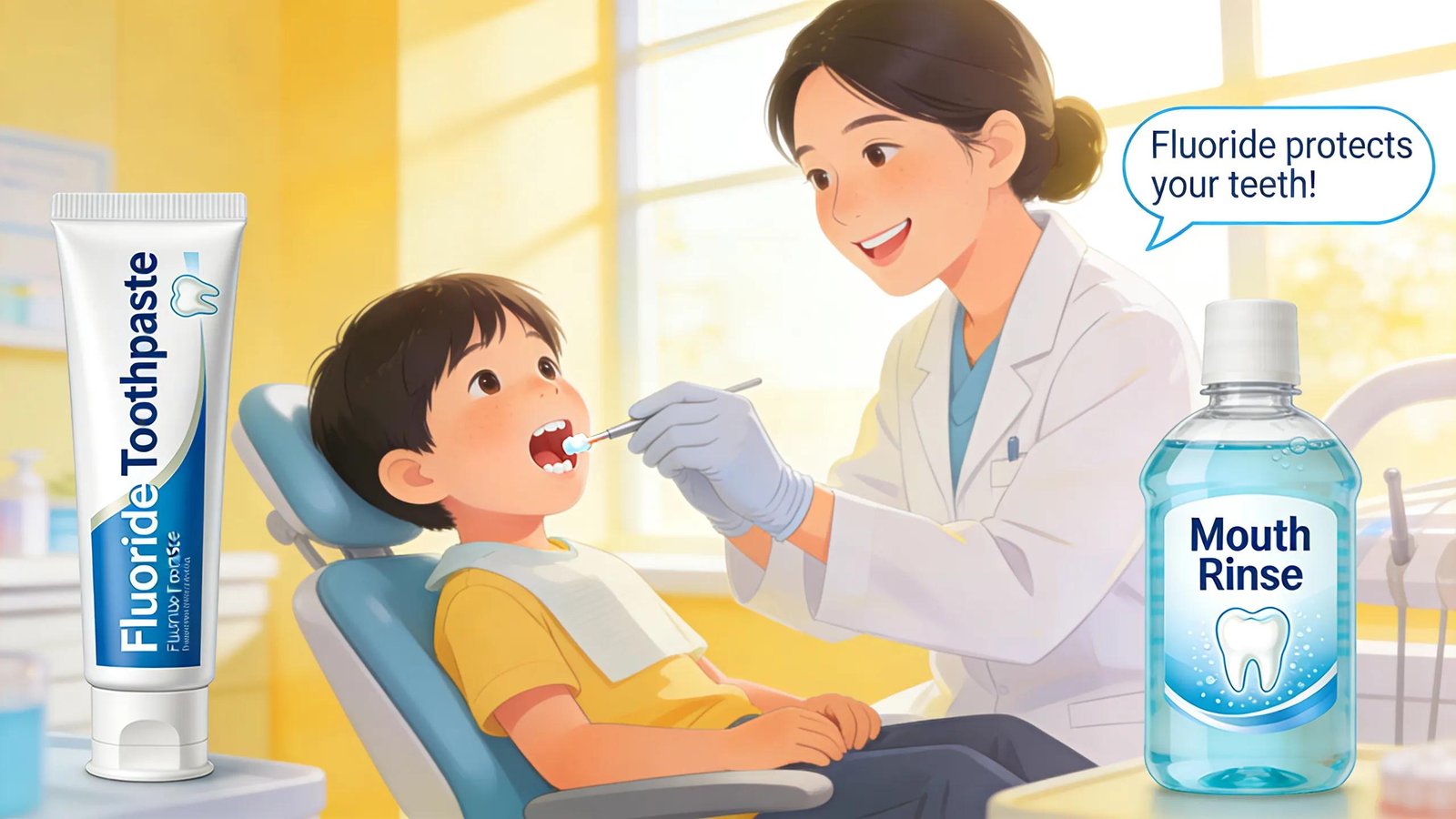
Fluoride strengthens enamel, promotes remineralisation of early lesions, and increases resistance to decay. It is available in everyday products and in higher‑concentration professional treatments; choosing the right form depends on individual risk.
How Do Fluoride Treatments Protect Teeth Against Decay?
Professional fluoride applications (varnish, gel, foam) deliver higher concentrations to enamel for prolonged protection, especially in higher‑risk patients. Used with daily topical fluoride, these treatments lower cavity incidence.
What Are the Benefits and Types of Fluoride Applications?
Fluoride comes in several forms, each with advantages for prevention.
- Topical fluoride: In toothpaste and some rinses; essential for daily protection.
- Professional fluoride treatments: Gels, foams, or varnishes applied by dentists for added strength.
- Systemic fluoride: In drinking water or prescribed supplements; supports tooth development internally.
Discuss individual risk and options with your dental professional to optimise fluoride use.
Dietary Considerations
Diet affects cavity risk. A balanced intake of vitamins and minerals supports tooth strength. Limit sugary snacks and drinks that feed acid‑producing bacteria. Foods rich in calcium and phosphorus—dairy, leafy greens, nuts—help reinforce enamel.
What Dietary Choices Support Long-Term Cavity Prevention?
To lower long‑term cavity risk, follow these practical recommendations:
- Limit sugar intake: Reduce how often you consume sugary foods and drinks.
- Increase dairy consumption: Milk and yogurt provide calcium and phosphorus for enamel strength.
- Stay hydrated: Water—especially fluoridated water—helps rinse food particles and bacteria.
These dietary habits complement daily hygiene to support oral health.
Research underscores the link between nutrition and prevention of dental disease.
Dietary Factors and Dental Disease Prevention
Oral health is influenced by diet in several ways, including effects on craniofacial development, oral cancer risk and infectious oral diseases. Dental conditions have a substantial impact on self‑esteem and quality of life and are costly to treat. This paper reviews the evidence connecting nutrition, diet and dental diseases and provides dietary recommendations for prevention. Nutrition affects tooth development, and malnutrition can exacerbate periodontal and other oral infectious diseases. Diet, nutrition and the prevention of dental diseases, P Moynihan, 2004
Role of Sealants
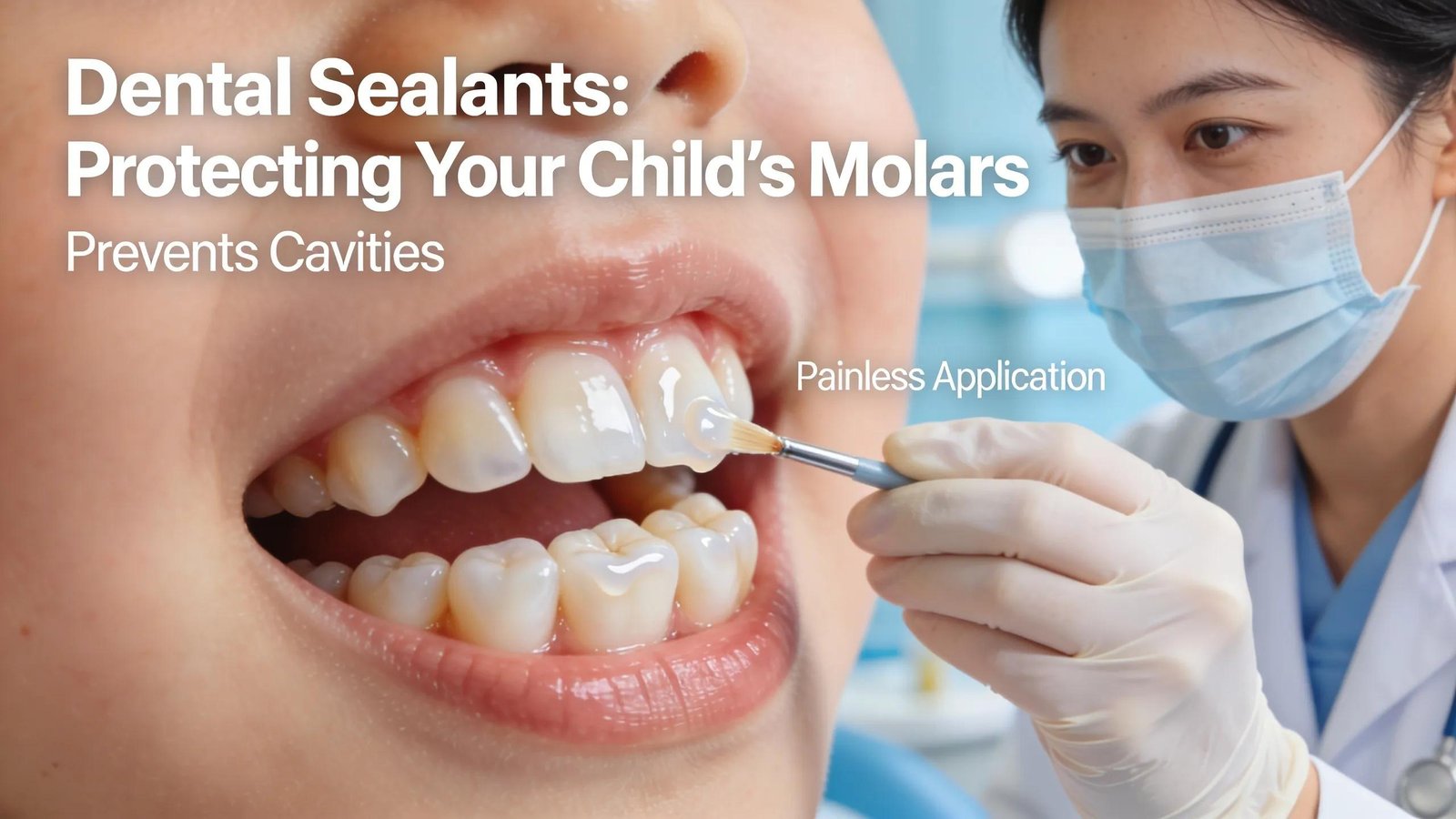
Sealants are a quick, non‑invasive coating applied to occlusal surfaces to block grooves and pits where food and bacteria collect. They are especially useful for children and adolescents with deep fissures, and they also benefit adults with susceptible molars.
How Do Dental Sealants Help Prevent Cavities in Children and Adults?
Sealants form a physical barrier over chewing surfaces to prevent bacterial accumulation. Application is typically painless and fast. Evidence shows sealants substantially lower molar cavity risk; routine dental checks ensure sealants remain intact and effective.
Additional literature describes sealants as an effective preventive measure against caries, particularly in children and adolescents.
Dental Sealants for Caries Prevention in Children
Pit and fissure sealants are plastic materials used to fill deep pits and fissures on the occlusal surfaces of teeth, locations where decay most often occurs in children and adolescents. Deep pits and fissures can retain food debris and bacteria, making them difficult to clean and therefore more susceptible to dental caries. The application of a pit and fissure sealant is a non‑invasive preventive approach that forms a protective barrier to reduce food entrapment and bacterial growth.
Sealants for preventing dental caries in primary teeth, A Rath, 2022
Why Are Regular Professional Cleanings Important for Cavity Prevention?
Professional cleanings remove tartar and plaque that at‑home care may miss. During visits, clinicians detect early decay and provide interventions before cavities form. Routine cleanings also help maintain gum health and are a core element of preventive care.
Frequently Asked Questions
1. What are the signs that I may have a cavity?
Signs include sensitivity to hot, cold, or sweet foods and drinks, visible pits or holes, and localized pain. Surface staining can also signal decay. Persistent toothache warrants prompt dental evaluation.
2. How often should I visit the dentist for check-ups?
Most patients benefit from twice‑yearly exams and cleanings. Those with higher caries risk or dental history may need more frequent visits for monitoring and preventive care.
3. Can adults benefit from using fluoride treatments?
Yes. Fluoride helps remineralise enamel and reduces decay risk. Professional applications are particularly helpful for people with prior cavities, dry mouth, or periodontal disease; discuss options with your dentist.
4. Are there alternatives to dental sealants for cavity prevention?
Complementary strategies include consistent oral hygiene, fluoride toothpaste, and reducing sugar in the diet. Professional cleanings and personalised dental advice also play central roles.
5. How can I improve my child’s oral hygiene habits?
Set a consistent routine: brush twice daily, floss once daily, use age‑appropriate toothpaste and toothbrushes, limit sugary snacks, and reinforce visits to the dentist with positive encouragement.
6. What foods should I avoid to prevent cavities?
Avoid frequent sugary and starchy snacks and sweetened drinks; acidic foods can also weaken enamel. Prefer crunchy fruits and vegetables, dairy, and whole grains to support oral health.
7. How do dental sealants compare to fluoride treatments for cavity prevention?
Sealants and fluoride are complementary: sealants protect grooves mechanically, while fluoride strengthens and remineralises enamel. Using both provides broader protection for at‑risk teeth.
Conclusion
Using evidence‑based prevention—consistent oral hygiene, appropriate fluoride, a tooth‑friendly diet, and sealants where indicated—reduces cavity risk and supports long‑term oral health. Consult your dental team for personalised guidance and resources to protect your smile.