
Best Dental Implants in Rialto CA
Top Dental Implants in Rialto
Dental implants are a long-term, natural-looking solution for replacing missing teeth. By integrating with the jawbone they offer stability and support that removable dentures cannot. Patients in Rialto, CA benefit from specialist care and modern techniques. This article outlines the procedure, candidacy, costs, and how to book a consultation to help patients decide on tooth-replacement options.
What Are Dental Implants and How Do They Restore Missing Teeth?
Dental implants are artificial tooth roots, usually titanium, surgically placed into the jawbone. Through osseointegration—the direct fusion of bone to the implant—they form a stable base for crowns. This restores chewing, speech, and the look of natural teeth so patients can eat and smile with confidence.
Successful outcomes rely on biocompatible materials and the implant’s ability to osseointegrate with the jawbone.
Dental Implant Materials & Osseointegration
This study demonstrated that cobalt-chrome and steel show less osseointegration than the other metals and metal-alloys. However, osseointegration of cobalt-chrome was improved by zirconium and/or titanium based coatings (CCTC, TANST, TAN, TANNEW) being similar as pure titanium in their osseointegrative behavior.
Osseointegration and biocompatibility of different metal implants-a comparative experimental investigation in sheep, 2012
Understanding the Dental Implant Procedure in Rialto
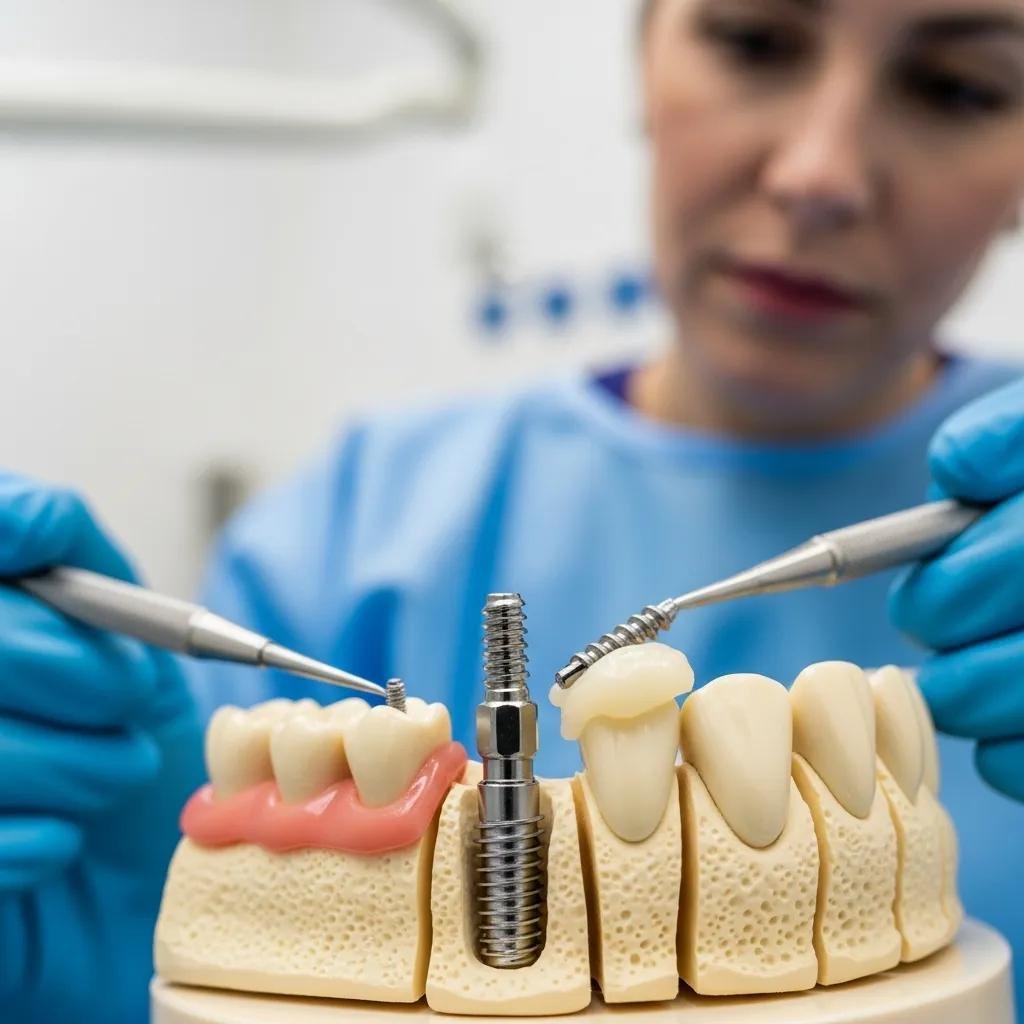
The treatment follows set stages: an initial consultation and review of medical and dental history, surgical placement of a titanium post, and a healing period for osseointegration (typically three to six months). After integration, an abutment and custom crown are fitted to restore function and appearance.
Careful planning and precise surgical technique are critical to long-term stability and success.
Optimizing Dental Implant Treatment Planning
The lifetime of the installed implants depends on condition of theboneand on the quality of the treatment planning and surgery technique. Usually, complications during theimplanttreatment are related to the inability to accurately predict the condition and location of intraosseous structure that entails the selection of the wrong type ofimplantand installation position. Methods This work is devoted to the “bone-implant” system investigation aiming on the optimization of dental prostheses installation. The objective of this study was to develop theimplanttreatment planning technique. Modern non-invasive methods such as computer tomography (CT) and 3D-scanning as well as numerical calculations and 3D-prototyping allow optimizing all of dental prosthetics stages.
Optimization of dental implant treatment, 2016
Components of Dental Implants: Posts, Abutments, and Crowns
Implants have three main parts: the implant post (artificial root anchored in bone), the abutment (connector), and the crown (visible tooth). Together they deliver function, durability, and a natural aesthetic.
Who Is a Candidate for Dental Implants in Rialto?
Not every patient is an ideal candidate. Suitable patients typically have adequate bone volume and good oral health. Those with uncontrolled systemic conditions (for example, unmanaged diabetes) or active tobacco use may need medical evaluation or additional preparation. A consultation with an implant dentist in Rialto determines candidacy and next steps.
Candidacy Criteria for Implant Dentists in Rialto
The common criteria include:
- Adequate Bone Density: Enough bone to support the implant.
- Good Oral Health: Healthy gums and teeth aid integration.
- Commitment to Oral Hygiene: Willingness to maintain care after surgery.
Meeting these factors improves the chance of long-term implant success.
Benefits of Choosing Dental Implants Over Other Tooth Replacement Options
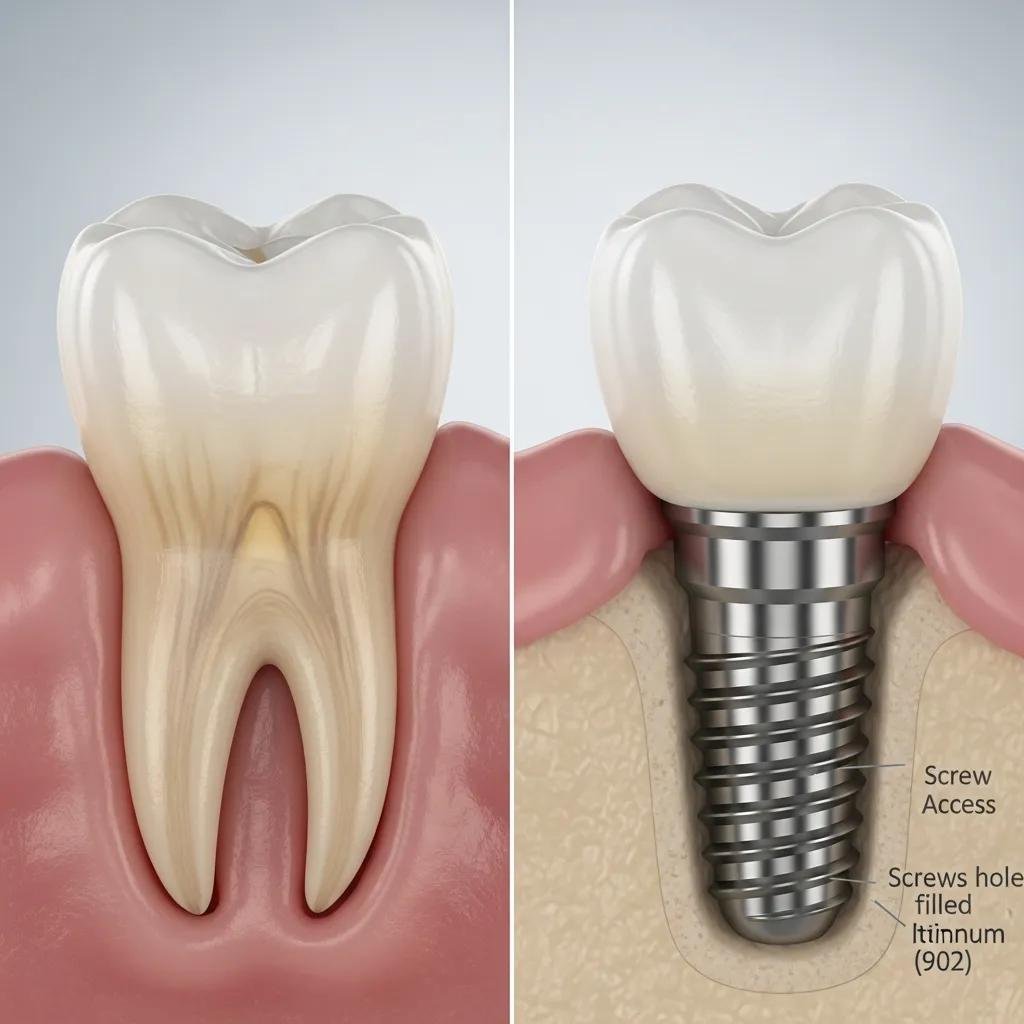
Compared with dentures or bridges, implants offer several advantages:
- Durability: They can last many years, even a lifetime, with care.
- Natural Appearance: Closely resemble natural teeth.
- Improved Oral Health: Do not require altering adjacent teeth.
For many patients, these benefits make implants the preferred tooth-replacement solution.
Understanding Dental Implant Costs and Financing in Rialto
Costs depend on the number of implants, complexity, and materials. Typical ranges are about $3,000 to $5,000 per implant, usually covering placement, abutment, and crown. Financing options can help spread the cost.
| Financing Option | Description | Benefits |
|---|---|---|
| Dental Insurance | Coverage for part of the procedure | Reduces out-of-pocket expenses |
| Payment Plans | Monthly payment options | Makes treatment more affordable |
| Health Savings Accounts | Pre-tax savings for medical expenses | Tax benefits on dental care |
Reviewing these options with your provider can make treatment more manageable within your budget.
How to Schedule a Consultation and What to Expect During Your Dental Implant Visit
To schedule, contact the dental office to arrange a history review and oral exam. The dentist will assess oral health and recommend a treatment plan tailored to your needs.
Booking an Appointment with Rialto Implant Dentists
To book, call (909) 879-1024 or email rialtodentalcare1@gmail.com. Early booking is advised to secure a convenient consultation time.
Patient Testimonials and Success Stories from Dental Care of Rialto
Patient testimonials highlight improved quality of life, greater confidence, and easier eating after implant treatment. Success stories from Dental Care of Rialto show the restorative value and reliability of implants for many patients.
Frequently Asked Questions
1. How long do dental implants last?
With proper care, implants can last for many years and often for life. Longevity depends on oral hygiene, routine dental exams, and lifestyle factors like tobacco use.
2. What is the recovery time after dental implant surgery?
Recovery varies, but osseointegration typically takes three to six months. Initial healing may include swelling and discomfort, which the dentist will manage and monitor before abutment and crown placement.
3. Are there any risks or complications associated with dental implants?
Risks include infection, nerve injury, or sinus issues for upper-jaw implants. These are uncommon when treatment is done by an experienced implant dentist and when patients follow pre- and post-operative instructions.
4. Can dental implants be placed immediately after tooth extraction?
Immediate placement is possible in select cases and can preserve bone and shorten treatment time. Suitability depends on bone condition and the reason for tooth loss, so a thorough evaluation is required.
5. How do I care for my dental implants after placement?
Care is similar to natural teeth: brush twice daily, floss, and use mouthwash if recommended. Regular dental check-ups are important. Avoid hard foods and habits like grinding that can damage implants.
6. What are the differences between dental implants and dentures?
Implants are fixed and anchored into the jawbone, offering greater stability and a natural feel. Dentures are removable and rest on the gums; they may need adjustments over time.
7. What financing options are available for dental implants?
Options include payment plans, partial dental insurance coverage, and Health Savings Accounts (HSAs). Discuss available plans with your provider to choose what fits your budget.
Conclusion
Dental implants in Rialto offer a durable, natural-looking solution for tooth loss that improves function and aesthetics. Understanding the procedure, candidacy, and financing helps patients make informed choices. Consult a qualified implant dentist to determine if implants are the right option for you and to plan your treatment.