
How to Care for Your Dental Implants
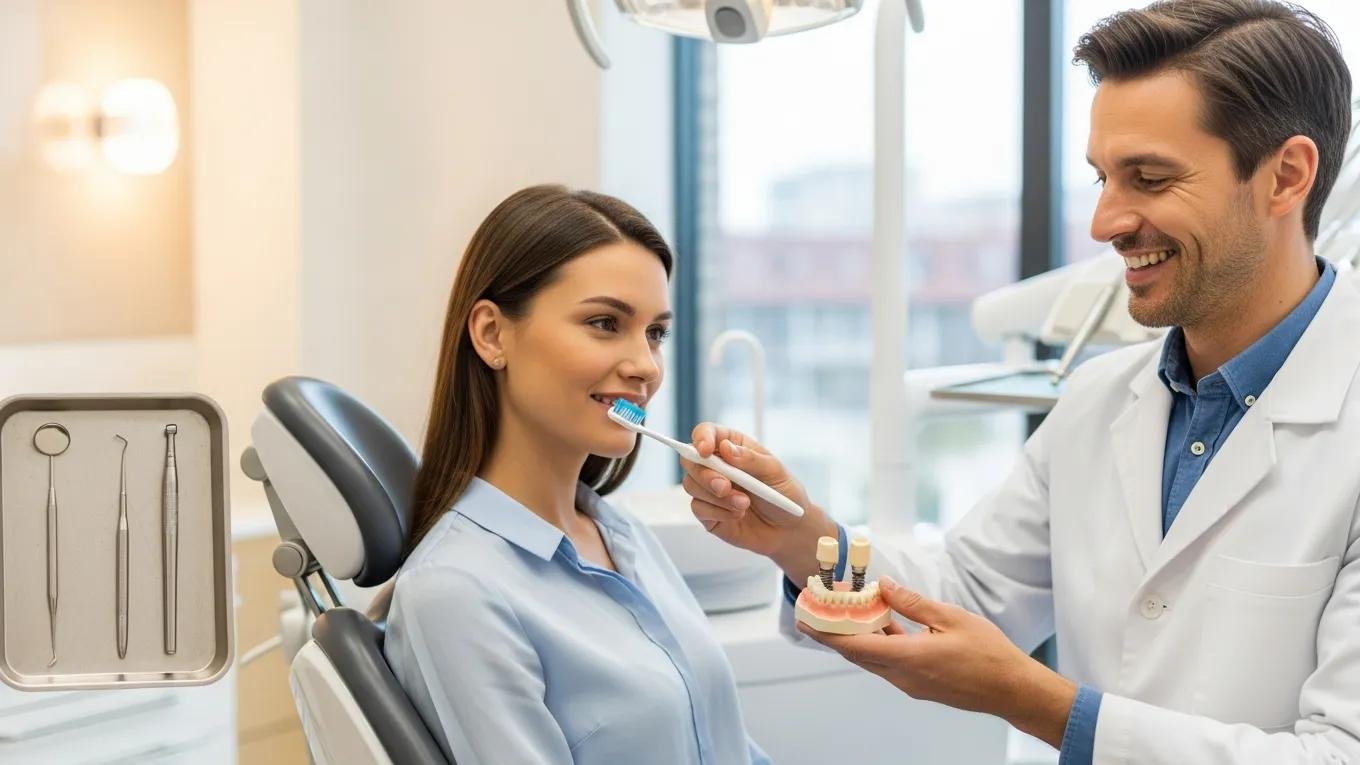
How to Care for Your Dental Implants: Essential Maintenance Tips for Long-Term Success
By Michael Carmy, Dental Care of Rialto
Dental implants act as artificial tooth roots and provide a stable foundation for fixed or removable replacements. Proper daily care and suitable products reduce complications and help preserve implant function and appearance.
Implant care is a well-recognized focus of oral health research.
Dental Implant Care & Maintenance Protocols
Dental implant care and maintenance is of critical importance as implants grow in popularity as a tooth replacement option. The purpose of this study was to investigate the implant-related training and clinical practices of oral health practitioners (OHPs) in Australia regarding oral hygiene instructions (OHI) and maintenance protocols, and to better understand their role in providing peri-implant services.
Dental Implant Hygiene and Maintenance Protocols: A survey of oral health practitioners in Australia, MS Hopcraft, 2021
Essential Maintenance Tips
Long-term success depends on daily hygiene and scheduled professional reviews. Clean daily to prevent plaque and support gum health, avoid hard foods while healing, and keep regular dental visits so issues are detected and treated early.
Best Oral Hygiene Practices
Follow a routine similar to natural teeth with extra focus at the implant site: brush twice daily with a soft brush, floss once a day for interdental spaces, and consider an antimicrobial mouthwash to reduce oral bacteria.
Proper Cleaning Methods
Maintain a consistent, gentle cleaning routine. Pay attention to implant margins and schedule professional cleans to remove hardened deposits. Report swelling, persistent discomfort, or other changes promptly to your dentist.
Recommended Daily Hygiene Tools
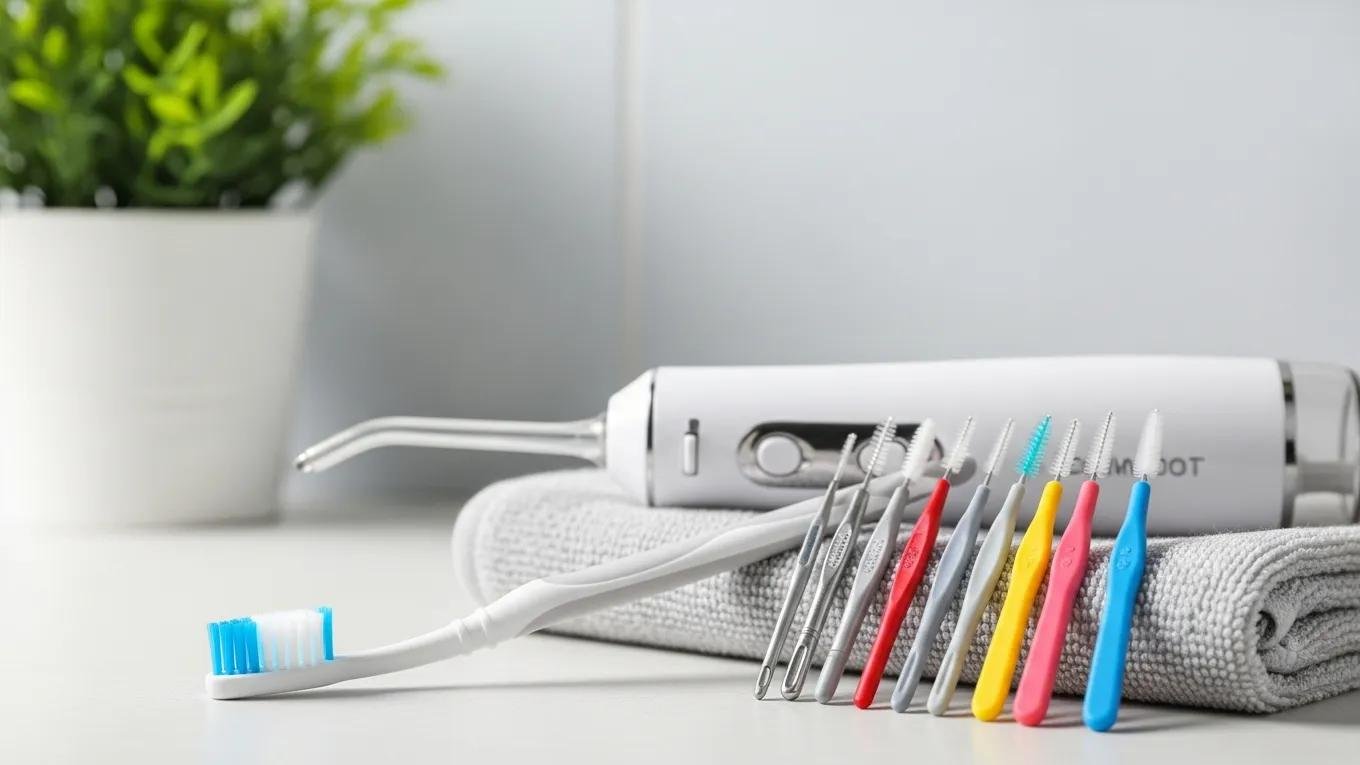
Using the right tools makes cleaning more effective. Recommended items include:
- Soft-bristled toothbrushes: Gentle on gums and effective around implants.
- Interdental brushes: Reach between teeth and around implant restorations.
- Water flossers: Use a pulsating stream to dislodge food and reduce plaque.
Integrate these tools into your daily routine to maintain cleanliness and gum health around the implant.
Ways to Prevent Implant Failure

Proactive daily care, regular dental reviews and healthy lifestyle choices—such as avoiding tobacco and eating a balanced diet—help reduce the risk of peri-implant disease and other complications.
Common Signs of Implant Problems
Early recognition allows timely treatment. Watch for these indicators:
- Signs of infection: Redness, swelling or discharge around the implant.
- Mobility: Any looseness or shifting of the implant or restoration.
- Gum changes: Persistent bleeding, pain or discomfort around the implant site.
Report any of these signs to your dental team promptly to enable early intervention and better outcomes.
Frequency of Professional Cleanings and Checkups
Professional cleanings and examinations are essential. Many patients benefit from six-month reviews; those with higher risk (for example, prior periodontal disease) may need more frequent visits. Follow the schedule your dentist recommends.
Recommended Products for Implant Care
Products that support daily care include:
- Soft-bristled toothbrushes: Gentle on tissues and effective at cleaning.
- Antimicrobial mouthwash: Helps reduce bacteria and plaque.
- Interdental brushes: Sized to fit interdental spaces around implants.
Use products as directed and follow any specific recommendations from your dental team to help preserve implant longevity.
Which Daily Hygiene Tools Are Recommended for Implant Care?
Choose tools that reach around the implant and between teeth: a soft-bristled toothbrush, interdental brushes sized to your spaces, and a water flosser are commonly effective. Prefer devices that minimise trauma while removing plaque.
Consistent daily use of these tools reduces plaque and protects surrounding tissues.
How Can You Prevent Implant Failure Through Regular Maintenance?
Routine maintenance lowers failure risk. Key practices include daily brushing and flossing, regular check-ups for monitoring and early treatment, and avoiding harmful habits such as smoking while maintaining a balanced diet.
Applying these practices consistently supports implant stability and oral health.
What Are the Common Signs of Implant Problems to Watch For?
Look for infection, unexpected mobility, or worsening gum health. Redness, swelling, discharge, movement of the restoration, persistent bleeding or pain all warrant clinical assessment. Early review improves treatment options and prognosis.
Contact your dentist promptly if you notice concerning symptoms.
How Often Should You Schedule Professional Cleanings and Checkups?
Routine six-month reviews suit many patients, but your dentist will tailor frequency based on risk factors such as prior gum disease or ongoing inflammation. Follow the personalised plan provided by your dental professional.
What Are the Recommended Products for Effective Dental Implant Care?
Support implant hygiene with a soft-bristled toothbrush, an antimicrobial mouthwash and appropriately sized interdental brushes. Choose items marked as gentle on oral tissues and follow your dentist’s product guidance.
Regular, correct use of recommended products complements professional care and helps maintain implant health.
Frequently Asked Questions
What should I do if I experience discomfort around my dental implants?
Contact your dentist promptly for persistent discomfort. Pain, swelling or other changes may indicate inflammation or infection; early assessment allows targeted treatment and helps protect the implant.
Can I use regular toothpaste for my dental implants?
Regular toothpaste is often acceptable, but non-abrasive formulas are preferable to avoid wearing restorations or irritating tissues. Ask your dentist for a recommendation if unsure.
Are there any dietary restrictions after getting dental implants?
After placement, avoid hard, sticky or very chewy foods for several weeks while the implant integrates with bone. Choose softer options—yogurt, smoothies and cooked vegetables—until your dentist clears a normal diet.
How can I maintain gum health around my dental implants?
Brush twice daily with a soft brush, clean between teeth once daily, and consider an antimicrobial mouthwash. Attend regular dental reviews so soft tissues can be monitored and treated early if needed. A balanced diet rich in vitamins supports healing.
What should I do if my dental implant feels loose?
If an implant or restoration feels loose, contact your dentist immediately. Looseness may indicate infection, bone loss or a mechanical issue; prompt evaluation prevents further damage.
How does smoking affect dental implants?
Smoking impairs blood flow and healing, increasing infection risk and implant complications. Patients who smoke face higher rates of adverse outcomes; discuss tobacco use with your dentist and consider quitting support before implant treatment.
Expert Tips for Maintaining Your Dental Implants
Consistent home care and regular professional monitoring are essential to maintaindental implants. Use recommended hygiene practices and tools, attend scheduled dental visits, and follow your dentist’s personalised advice to reduce complications and support long-term implant function.