
Full Mouth Restorations in Rialto CA
Comprehensive Guide to Full Mouth Restorations in Rialto CA: Expert Dental Implants and Smile Reconstruction
Full mouth restoration combines multiple dental treatments to restore oral function and appearance. This guide explains the components, treatment sequence, and patient benefits specific to Rialto, CA. Many patients experience oral health problems that reduce quality of life; a tailored full mouth restoration plan addresses those problems to improve chewing, speech, and aesthetic concerns. Below we outline the key elements, process, and expected outcomes.
Overview of Full Mouth Restoration
A full mouth restoration is a comprehensive treatment plan intended to restore health, function, and aesthetics across the entire mouth. It commonly combines dental implants, crowns, bridges and other restorative methods selected for each patient’s clinical needs. The primary objectives are to restore chewing and speech, protect oral structures, and deliver a durable, natural appearance. Treating multiple issues often improves quality of life.
Full Mouth Restoration in Rialto: A Comprehensive Guide
Key components of full mouth restoration include implant therapy and smile‑reconstruction procedures that work together to restore oral function and appearance.
Dental Implants
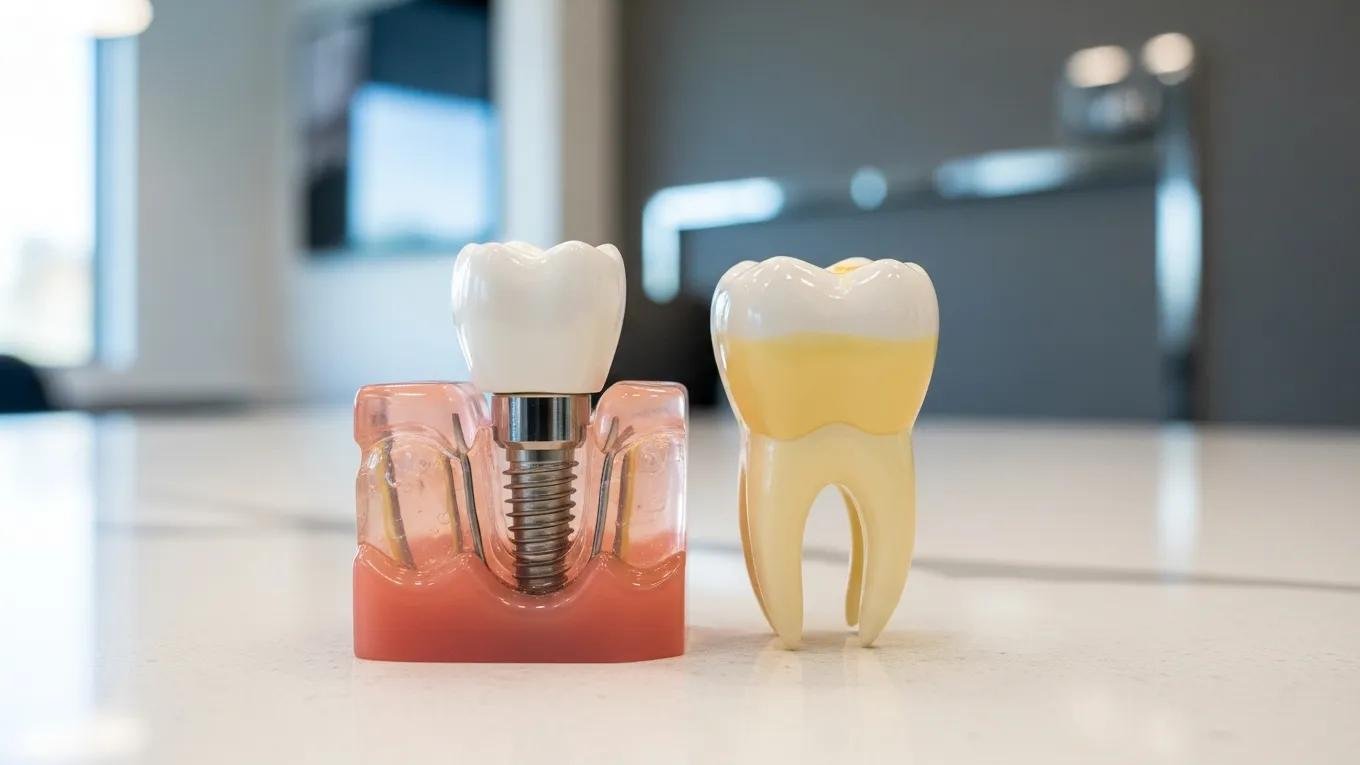
Dental implants are artificial tooth roots that anchor fixed or removable replacement teeth. They are made from biocompatible materials and integrate with the jawbone (osseointegration) to provide stable support. The benefits of dental implants include:
- Durability: Implants are designed to last for many years, often a lifetime with proper care.
- Natural Appearance: They closely resemble natural teeth, enhancing the overall aesthetics of the smile.
- Improved Functionality: Implants restore the ability to chew and speak comfortably, improving overall oral function.
Smile Reconstruction Techniques
Smile reconstruction includes procedures that improve tooth form, alignment and proportion to enhance the smile. Common elements include:
- Custom Treatment Plans: Each patient’s needs are assessed to create a personalized treatment plan that addresses specific concerns.
- Advanced Technology: Techniques such as digital imaging and 3D modeling are used to plan and execute the restoration process effectively.
The Process
The full mouth restoration pathway follows defined clinical steps to ensure a safe and comprehensive outcome.
Initial Consultation
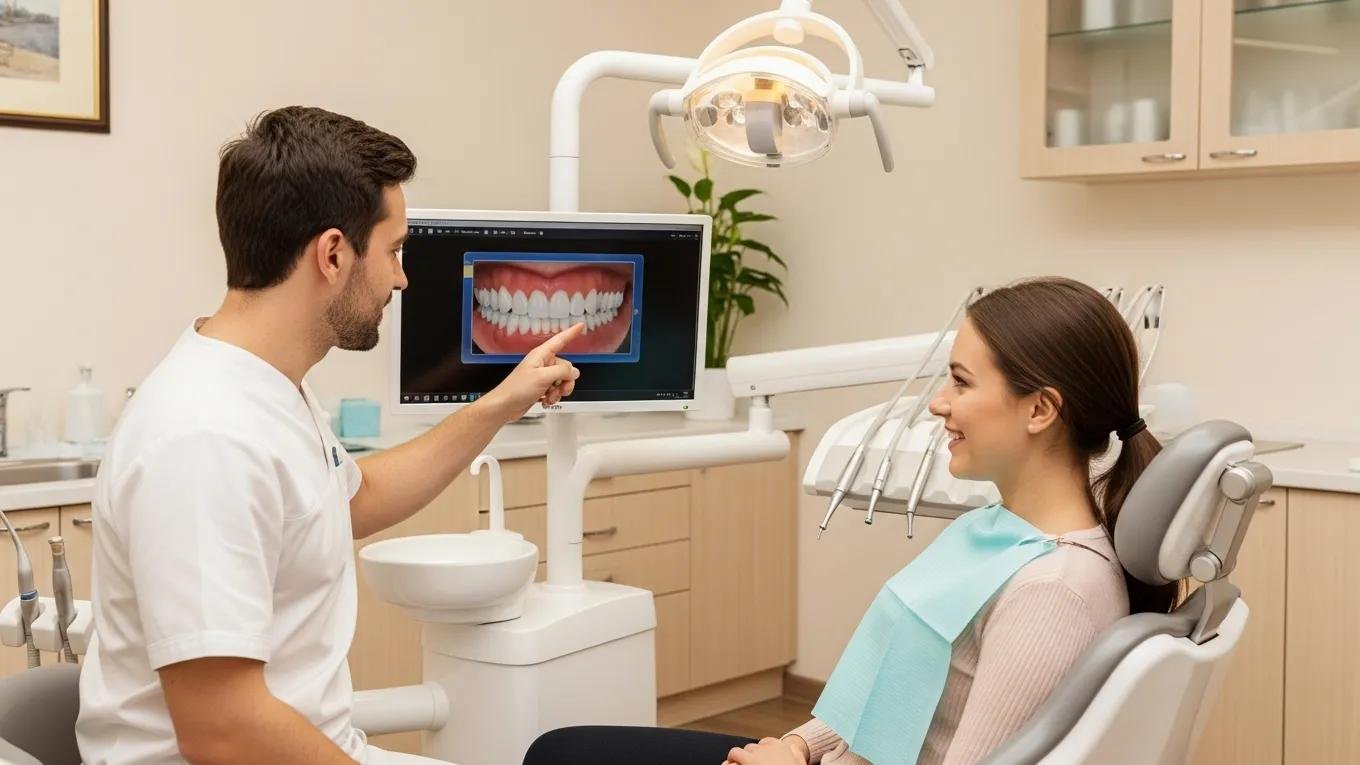
At the initial consultation the dentist performs a comprehensive oral assessment. This includes:
- Examination Process: Assessing the condition of teeth, gums, and jawbone.
- Discussion of Goals: Understanding the patient’s expectations and desired outcomes.
Treatment Planning
After the consultation we develop a personalized treatment plan that outlines required procedures, timelines and estimated costs. Key aspects include:
- Development of Personalized Plans: Tailoring the approach to meet the unique needs of the patient.
- Cost Discussion: Providing transparency regarding the financial aspects of the treatment.
Implementation
During implementation the clinical procedures are performed according to the plan. This may include:
- Stages of Procedures: Performing dental implant placements, crown fittings, and other necessary treatments.
- Importance of Healing Time: Allowing adequate time for healing between procedures to ensure optimal results.
Achieving Optimal Oral Health and Aesthetics
Post‑restoration care preserves results: regular maintenance and oral hygiene education support long‑term success. Attend routine check‑ups and professional cleanings to maintain optimal oral health.
What Is Full Mouth Restoration and How Does It Improve Oral Health?
Full mouth restoration addresses multiple dental problems through a coordinated plan. By restoring function, correcting structural issues and improving aesthetics, the treatment helps prevent further deterioration and supports long‑term oral health. The approach aims to deliver both functional and cosmetic improvement.
Benefits of Full Mouth Restoration for Patients in Rialto CA
Full mouth restoration provides several benefits for patients, including:
- Improved Aesthetics: A restored smile enhances self-confidence and overall appearance.
- Enhanced Functionality: Patients can enjoy improved chewing and speaking abilities.
- Long-term Durability: With proper care, the results of full mouth restoration can last for many years.
At Dental Care of Rialto, we provide comprehensive restorative services with a focus on full mouth restorations. Our experienced clinical team develops individualized plans to help patients achieve reliable functional and aesthetic outcomes.
How Are Dental Implants Used in Full Mouth Reconstruction?
Dental implants serve as the foundation for crowns, bridges or implant‑supported dentures. Implanted into the jawbone, they support restorations that function and appear like natural teeth. Integration with the bone increases stability and longevity, making implants an ideal option for comprehensive restorations.
Step-by-Step Dental Implant Procedure for Oral Rehabilitation
The dental implant procedure typically involves several steps:
- Initial Consultation: Assessing the patient’s suitability for implants.
- Surgical Placement: The implant is surgically placed into the jawbone.
- Healing Period: Allowing time for the implant to integrate with the bone.
- Final Restoration: Attaching the custom crown or bridge to the implant.
This staged approach allows precise execution of each phase and supports predictable, successful outcomes.
Advanced Implant Technology at Dental Care of Rialto
At Dental Care of Rialto, we employ advanced implant technologies to improve treatment predictability. Techniques such as All‑on‑4enable restoration of a full arch with four strategically placed implants, often reducing the need for bone grafting and shortening overall treatment time.
Modern imaging, digital planning and computer‑aided manufacturing further enhance the precision and efficiency of implant procedures.
Advanced Dental Implant Planning & All-on-4 Techniques
In‑office Cone Beam CT (CBCT) scanners, implant planning software, CAD/CAM milling and rapid 3D printing enable precise implant placement and immediate prosthetic temporization. These technologies support flapless placement or controlled open‑flap bone reduction for All‑on‑4 workflows and improve preoperative planning and intraoperative performance.
Advanced dental implant placement techniques, A Greenberg, 2017
Although All‑on‑4 provides clear advantages, clinicians must carefully evaluate the differences between immediate provisional restorations and definitive prostheses.
All-on-4 Immediate Restorations: Provisional vs. Definitive
The All‑on‑4 concept permits immediate restoration, frequently delivered as a provisional restoration (PR) that is later replaced by a definitive restoration (DR) after a few months. This staged approach can require greater treatment effort and cost compared with placing a definitive restoration immediately. PRs were common during the early adoption of All‑on‑4; today they are mainly used for referred cases and bimaxillary restorations.
Evaluation of the surgical and prosthetic success of All‑on‑4 restorations: a retrospective cohort study of provisional vs. definitive immediate restorations, 2021
What Are the Options for Dental Crowns and Bridges in Smile Makeovers?
Crowns and bridges are core elements of smile makeovers, restoring tooth form and function while improving appearance. Common options include:
- Porcelain Crowns: These offer a natural appearance and are highly durable.
- Metal Crowns: Known for their strength, metal crowns are often used for back teeth.
- Bridges: Used to replace missing teeth, bridges can be anchored to adjacent teeth or supported by implants.
Types of Crowns and Bridges for Effective Smile Reconstruction
Materials used for crowns and bridges each have specific benefits:
- Ceramic: Ideal for front teeth due to its natural look.
- Porcelain-Fused-to-Metal: Combines strength and aesthetics, suitable for various locations.
- Zirconia: Offers exceptional durability and is biocompatible.
Choosing the appropriate crown or bridge material depends on the clinical requirements and the patient’s aesthetic priorities.
Recent reviews highlight zirconia’s mechanical strength, fracture resistance and aesthetic qualities, supporting its broad use in modern prosthodontics.
Zirconia in Full-Arch Dental Restorations: Aesthetics & Strength
Zirconia, a high‑performance ceramic material, has significantly influenced modern prosthodontics due to its biomechanical strength and aesthetic properties. This review examines zirconia’s mechanical performance, fracture toughness and biocompatibility, as well as its translucency and color‑matching capabilities. Clinical applications discussed include single crowns, bridges, implant abutments and full‑arch restorations.
The Role of Zirconia in Modern Prosthodontics: Evaluating Biomechanical and Aesthetic Properties, 2024
Choosing the Right Prosthodontics Services in Rialto CA
Selecting the right prosthodontic provider is important for predictable smile reconstruction. Consider provider experience with full mouth restorations, the technology used for diagnosis and planning, and feedback from previous patients to assess quality of care.
How Can Patients Manage Costs and Financing for Full Mouth Restorations?
Managing costs for full mouth restoration can be challenging. Patients should review available financing options, such as:
- Payment Plans: Many dental practices offer flexible payment plans to make treatments more affordable.
- Insurance Coverage: Understanding what is covered by insurance can help reduce out-of-pocket expenses.
- Health Savings Accounts (HSAs): Utilizing HSAs can provide tax advantages for dental expenses.
Understanding Smile Makeover Costs in Rialto
Smile makeover costs vary with the complexity of the procedures. Major cost factors include:
- Type of Treatments: Different procedures have varying costs, with implants typically being more expensive than crowns.
- Materials Used: The choice of materials for crowns and bridges can impact overall costs.
- Provider Experience: Highly experienced providers may charge more for their services.
Available Patient Financing Options and Insurance Considerations
Patients should investigate practice financing and review their insurance benefits. Many practices offer payment plans to spread costs over time, and a clear understanding of insurance coverage can reduce out‑of‑pocket expenses.
The table summarizes the core components of full mouth restoration and their primary benefits, highlighting each element’s role in achieving a successful outcome.
Frequently Asked Questions
What is the typical recovery time after a full mouth restoration?
Recovery varies by procedure and patient. Expect swelling and discomfort for several days after surgery. Complete healing can take several months when implants are placed, due to the time needed for bone integration. Regular follow‑up visits allow the dentist to monitor healing and adjust care as needed.
Are there any risks associated with full mouth restoration procedures?
As with any surgery, risks include infection, bleeding and anesthesia complications. Implant‑specific risks can include failure or nerve injury. Choosing an experienced dental team and following pre‑ and post‑operative instructions reduces these risks. A thorough consultation will identify patient‑specific concerns and mitigation strategies.
How long do the results of a full mouth restoration last?
Longevity depends on the materials used, the procedures performed and the patient’s oral hygiene. Implants can last for decades or longer with proper care; crowns and bridges commonly require replacement after 10 to 15 years. Routine dental check‑ups and consistent oral hygiene are essential to maintain results.
Can full mouth restoration improve my overall health?
Yes. Restoring chewing function supports better nutrition, and treating oral infections reduces local inflammation that can contribute to systemic health risks. Improved oral health is associated with reduced risk factors linked to conditions such as cardiovascular disease and diabetes. A healthy mouth supports overall well‑being.
What should I expect during the initial consultation for a full mouth restoration?
During the initial consultation the dentist conducts a comprehensive oral exam, reviews your dental history and discusses treatment goals. This is the time to ask about procedures, expected outcomes and costs. Based on the assessment, the team will develop a personalized treatment plan.
Are there alternatives to full mouth restoration?
Yes. Depending on the problem, options may include partial dentures, traditional bridges or localized treatments such as root canals and crowns. These alternatives may address limited issues but may not provide the comprehensive correction achieved with a full mouth restoration. A clinical assessment will determine the most appropriate approach.
How can I maintain my oral health after a full mouth restoration?
Maintain oral health with twice‑daily brushing, daily flossing and regular dental examinations. Use mouthwash if recommended, avoid tobacco and limit sugary foods and drinks. Follow your dentist’s post‑restoration instructions to preserve results and support long‑term oral health.
Conclusion
Full mouth restoration offers a comprehensive solution to restore function and improve aesthetics, helping patients regain confidence in their smiles. Using advanced implant techniques and personalized treatment plans, patients can achieve durable functional outcomes and improved oral health. Prioritizing oral health begins with a consultation; our experienced team at Dental Care of Rialto can assess your needs and recommend an appropriate treatment plan.