
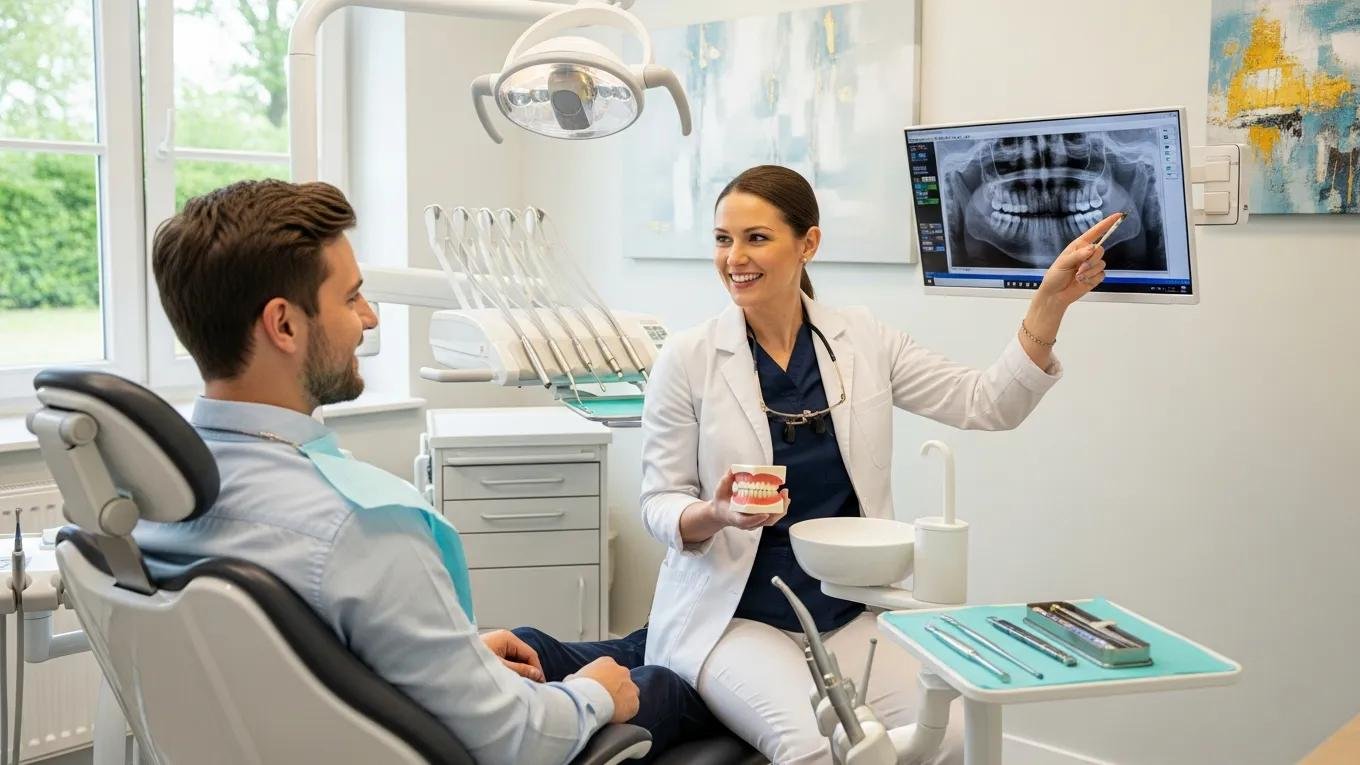
Full mouth restoration is a coordinated plan that combines restorative and cosmetic dentistry to treat extensive oral problems. Patients seek these services to regain chewing function, improve appearance, and restore confidence. In Colton, CA, common approaches include dental implants, smile makeovers, and tailored oral rehabilitation; this article summarises components, benefits, and typical procedures to aid decision-making.
Key Components of Full Mouth Restoration:
This multi‑disciplinary process blends dental implants, cosmetic enhancements, and oral rehabilitation into a single, staged plan that restores function, supports facial structure, and improves aesthetics.
Dental Implants:
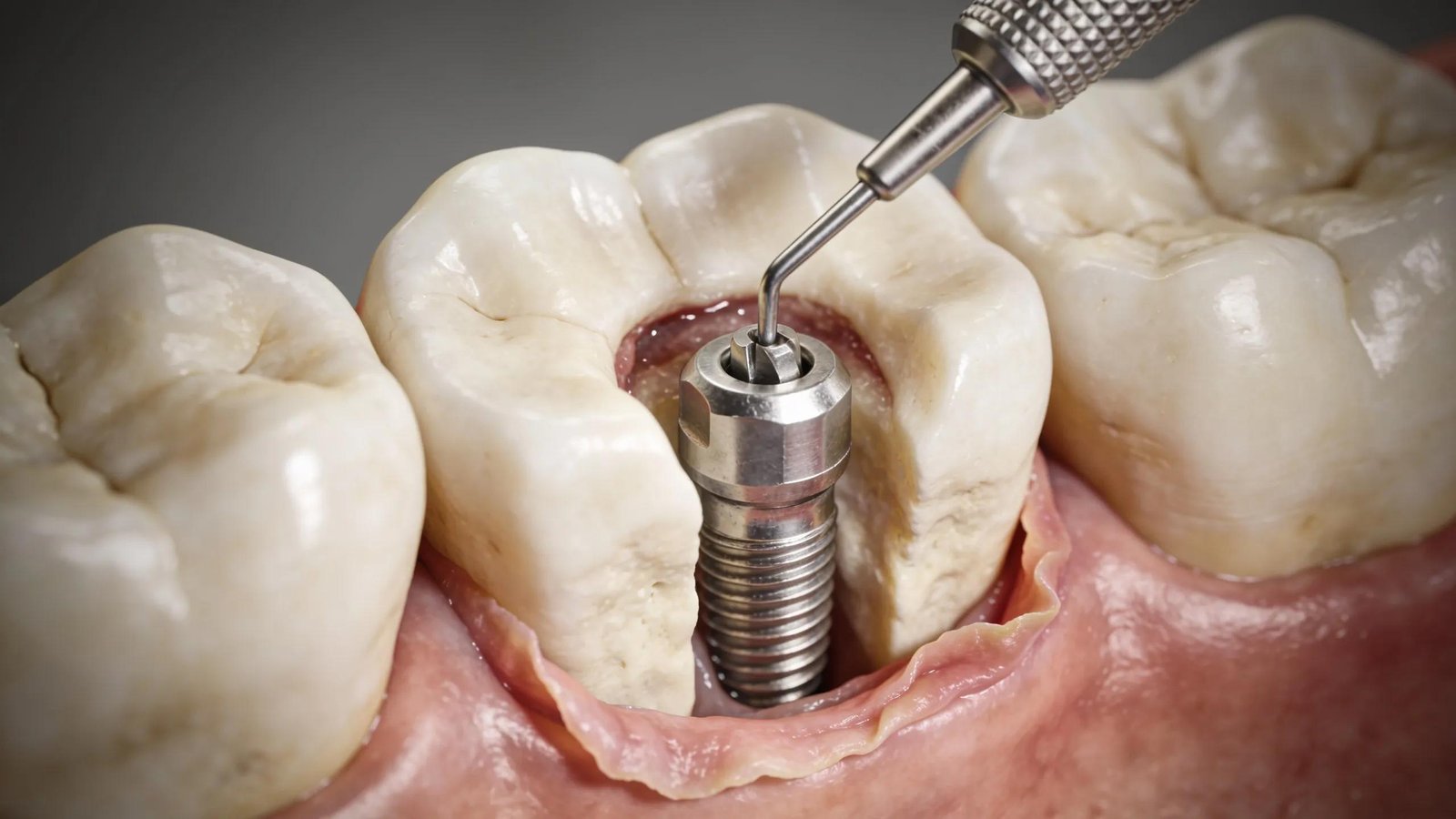
Dental implants are titanium posts inserted into the jaw to replace missing roots and anchor crowns, bridges, or implant‑retained dentures. They restore chewing and speech, stabilise prosthetics, and help preserve jawbone volume to limit post‑extraction bone loss.
Smile Makeovers:
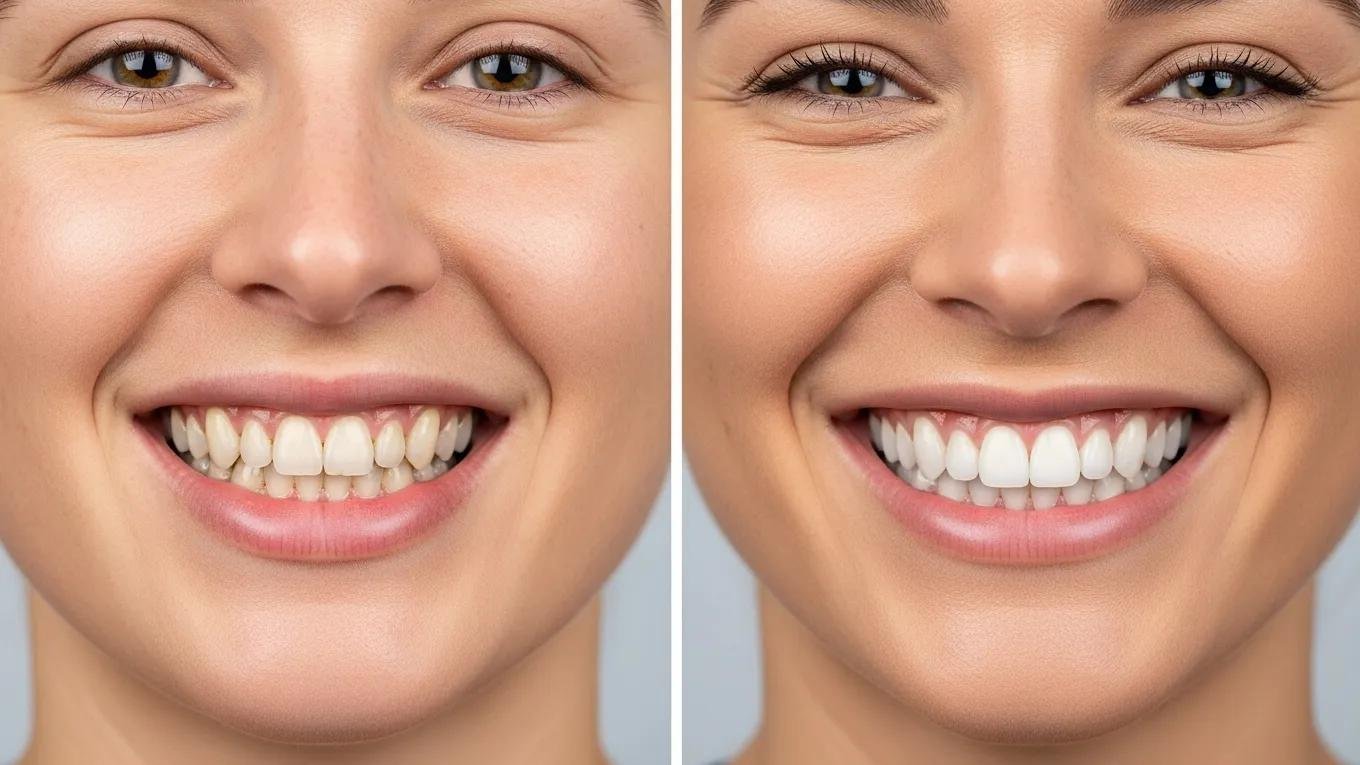
Cosmetic treatments—whitening, veneers, and crowns—are coordinated with restorative work to balance tooth proportion, colour, and alignment so the final smile is both functional and attractive.
Oral Rehabilitation:
Oral rehabilitation is a customised strategy based on a full evaluation of teeth, gums, bite, and jaw relations. Plans prioritise comfort, function, and long‑term stability while addressing each patient’s clinical needs.
Benefits of Full Mouth Restoration:
Comprehensive restoration improves chewing, speech, and comfort while restoring facial support and appearance. Many patients experience reduced pain and better nutrition after treatment.
Improved Aesthetics: Enhances the smile and boosts self‑confidence.
Enhanced Functionality: Restores chewing and speaking ability for daily life.
Long-term Durability: Designed for lasting results with appropriate maintenance.
Patients in Colton can consult experienced local practices for coordinated assessments and personalised treatment plans.
What Is Full Mouth Restoration and How Does It Benefit Patients in Colton?
It is a planned series of procedures that address missing teeth, decay, wear, and bite problems together. Treating function and appearance simultaneously improves diet, speech, comfort, and self‑confidence.
Understanding Full Mouth Restoration and Its Benefits
Expected results include restored oral health, improved bite function, and a durable, natural‑looking smile. Many patients also report psychosocial benefits such as increased self‑esteem and reduced anxiety about their appearance.
Studies further confirm the positive impact of full mouth rehabilitation on aesthetics and oral health.
Patient Outcomes in Full Mouth Rehabilitation: Aesthetics & Function
The study reported the greatest gains in appearance (p< 0.001, 100% improvement with all values > 0); linguistic limitations showed the smallest improvement (p< 0.001). The remaining dimensions did not differ significantly. No statistical differences were found between the two restoration materials by OHIP questionnaire results. Overall, full‑mouth rehabilitation positively affected esthetic appearance and produced improvements in toothache and food‑intake parameters.
Oral health-related impact profile in full-mouth restored patients with two different tooth-colored restoration materials, A Liebermann, 2019
Advanced Techniques
Contemporary full mouth restoration uses digital planning and refined surgical techniques—3D imaging, guided implant placement, and selective immediate‑loading—to increase precision and shorten treatment when appropriate.
Understanding the Full Mouth Restoration Procedure and Its Components
Treatment starts with a comprehensive evaluation and diagnostic imaging. Typical steps include implant surgery when needed, followed by restorative phases (crowns, bridges, dentures) and cosmetic adjustments. Each phase is scheduled to protect healing and optimise outcomes.
The full rehabilitation process is usually phased to ensure predictable, stable results.
Full Mouth Rehabilitation: Implants, Aesthetics & Function
Restoring the vertical dimension of occlusion (VDO) requires an interdisciplinary, phased approach. After detailed planning, the treatment proceeded through multiple stages: increasing VDO with anterior direct restorations, endodontic therapy, implant placement, and posterior rehabilitation using indirect restorations and implant crowns. This case illustrates stepwise planning and care to achieve a stable occlusion and restore the patient’s smile.
Restoring a Smile: Functional and Esthetic Full Mouth Rehabilitation, 2024
Key Benefits of Full Mouth Restoration for Oral Function and Aesthetics
By addressing both function and appearance, full mouth restoration improves mastication, speech, facial support, and overall well‑being.
Improved Aesthetics: A balanced smile that supports confidence.
Enhanced Functionality: Better chewing and clearer speech.
Long-term Durability: Durable restorations with proper care.
Colton patients seeking comprehensive rehabilitation can consider these treatments to restore function and appearance efficiently.
How Do Dental Implants Support Full Mouth Reconstruction in Colton?
Implants act as permanent root replacements that stabilise prosthetics, preserve alveolar bone, and maintain facial contours—key elements for long‑term oral rehabilitation.
Role of Dental Implants in Replacing Missing Teeth and Supporting Prosthetics
Through osseointegration, implants support crowns and bridges, restore chewing function, and prevent the shifting and bone resorption that can occur with removable dentures.
Advances in Implant Technology and Personalized Treatment Planning
Better imaging, planning software, and implant materials let clinicians tailor placement and prosthetic design to each patient, improving accuracy and outcomes.
What Are the Typical Steps and Recovery Process for Full Mouth Restorations?
Steps include consultation, diagnostics, phased surgical and restorative care, and final adjustments. Recovery varies by case complexity; many patients heal over weeks to months with scheduled follow‑up to complete restorations.
Patient Recovery Expectations and Sedation Options for Comfort
Postoperative swelling and mild discomfort are common and managed with medication and aftercare. Sedation ranges from local anaesthesia to nitrous oxide, oral sedatives, or general anaesthesia for extensive cases, chosen for safety and comfort.
How Can Patients in Colton Finance Their Full Mouth Restoration and Smile Makeover?
Financing options can help manage costs. Many practices offer payment plans and can coordinate with insurance; discuss options with your dental team to identify a suitable plan.
Cost Factors Influencing Full Mouth Restoration Pricing
Cost depends on case complexity, number and type of implants or restorations, material choices, and preparatory treatments like extractions or grafting. These factors are reviewed during planning.
Available Financing Options and Insurance Considerations
Patients may consider third‑party financing (for example, CareCredit) and should review insurance benefits. The dental team can provide estimates and assist with paperwork to clarify out‑of‑pocket costs.
Frequently Asked Questions
What is the typical duration of a full mouth restoration procedure?
Duration varies by complexity; most cases span several months to over a year to allow healing between phases and ensure predictable outcomes.
Are there any risks associated with full mouth restoration?
Risks include infection, implant failure, and anaesthesia‑related issues. With experienced clinicians, good patient selection, and proper aftercare, risks are low and discussed in preoperative consultations.
How do I choose the right dental practice for my full mouth restoration?
Choose a practice with proven experience in restorative and implant dentistry, clear treatment planning, before‑and‑after examples, and transparent cost information.
What should I expect during the recovery period after a full mouth restoration?
Expect initial swelling and mild discomfort, temporary dietary changes, and staged follow‑up visits to monitor healing and progress to the next phase.
Can full mouth restoration improve my overall health?
Improved oral function can support better nutrition and reduce oral pain, which may contribute to overall health; discuss systemic concerns with both your dentist and medical provider.
What types of sedation options are available during the procedure?
Sedation ranges from local anaesthesia to nitrous oxide, oral sedatives, and general anaesthesia for extensive cases. The dental team will recommend the safest option for the treatment plan.
How can I maintain my results after a full mouth restoration?
Maintain results with diligent oral hygiene, routine dental visits, and protective measures (for example, nightguards if you grind your teeth). Avoid hard foods and follow the maintenance plan provided by your dentist.
Conclusion
Full mouth restoration in Colton, CA, combines restorative and cosmetic dentistry to restore function, preserve oral health, and improve appearance. When delivered by qualified clinicians with careful planning, these treatments produce durable, predictable results that enhance quality of life. Schedule a consultation to review personalised options and next steps.