
Expert Dental Implants in Bloomington CA
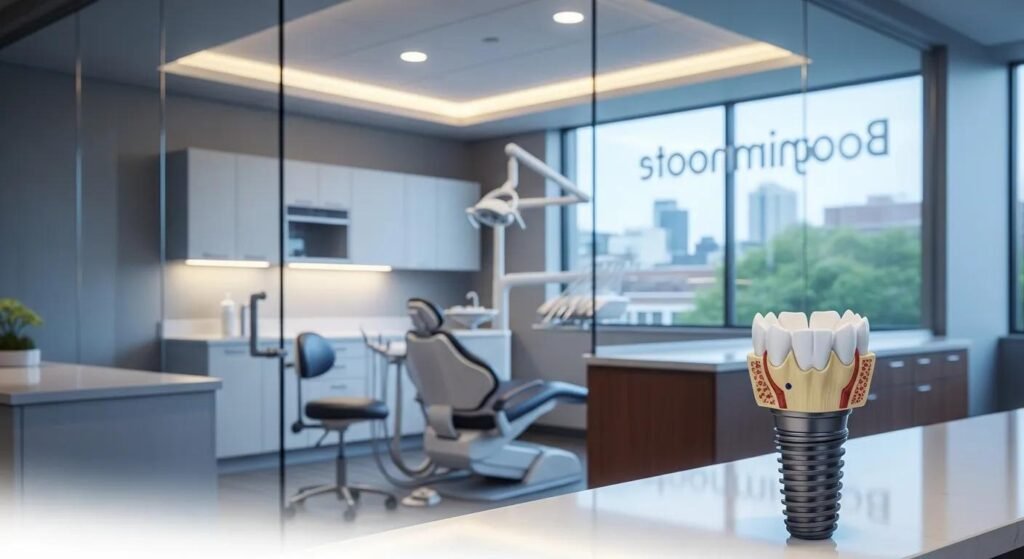
Bloomington's Expert for Dental Implants
Dental implants are a permanent, natural-looking alternative to dentures and bridges. Titanium posts are placed in the jawbone and fuse with bone through osseointegration, creating a stable foundation for replacement teeth and helping preserve jawbone health. This article outlines the implant procedure, benefits, candidacy criteria, costs, and how to schedule a consultation for with Dental Care of Rialto near Bloomington, CA.
By understanding how implants work and what to expect, patients can make informed decisions about restoring their smiles. This guide covers the procedure, who qualifies, financing options, and how to find a reputable clinic.
What Are Dental Implants and How Do They Restore Your Smile?
Dental implants are titanium tooth roots placed in the jawbone to support replacement teeth. After a suitability evaluation and treatment plan, implants are placed and osseointegrate as bone grows around them. The finished restoration looks and functions like a natural tooth, helping patients eat and speak with confidence.
Understanding the Dental Implant Procedure in Bloomington
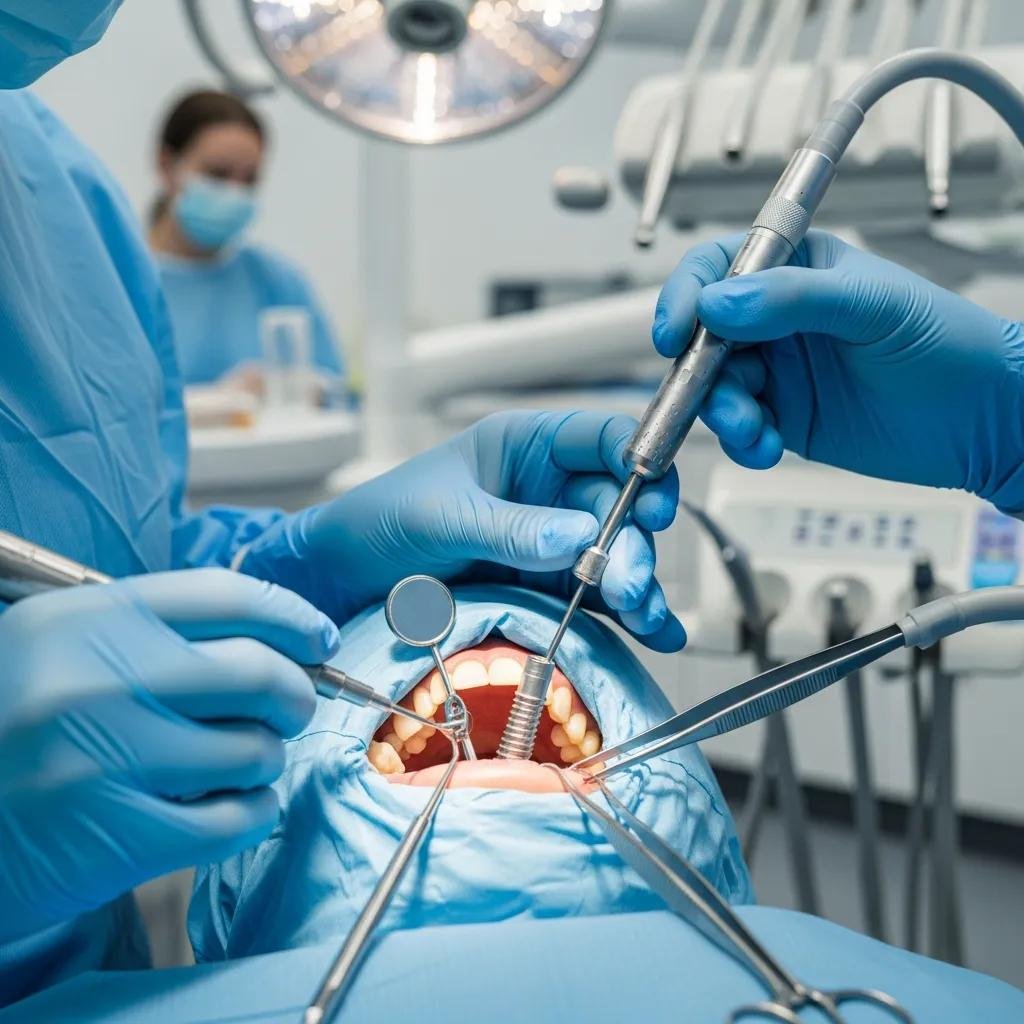
The procedure usually begins with a comprehensive evaluation, including imaging to check bone density and anatomy. The titanium post is placed—often under local anesthesia—followed by a healing period of several months for osseointegration. Once healed, an abutment is attached and a custom crown is fitted to match adjacent teeth.
Benefits of Choosing Dental Implants for Tooth Replacement
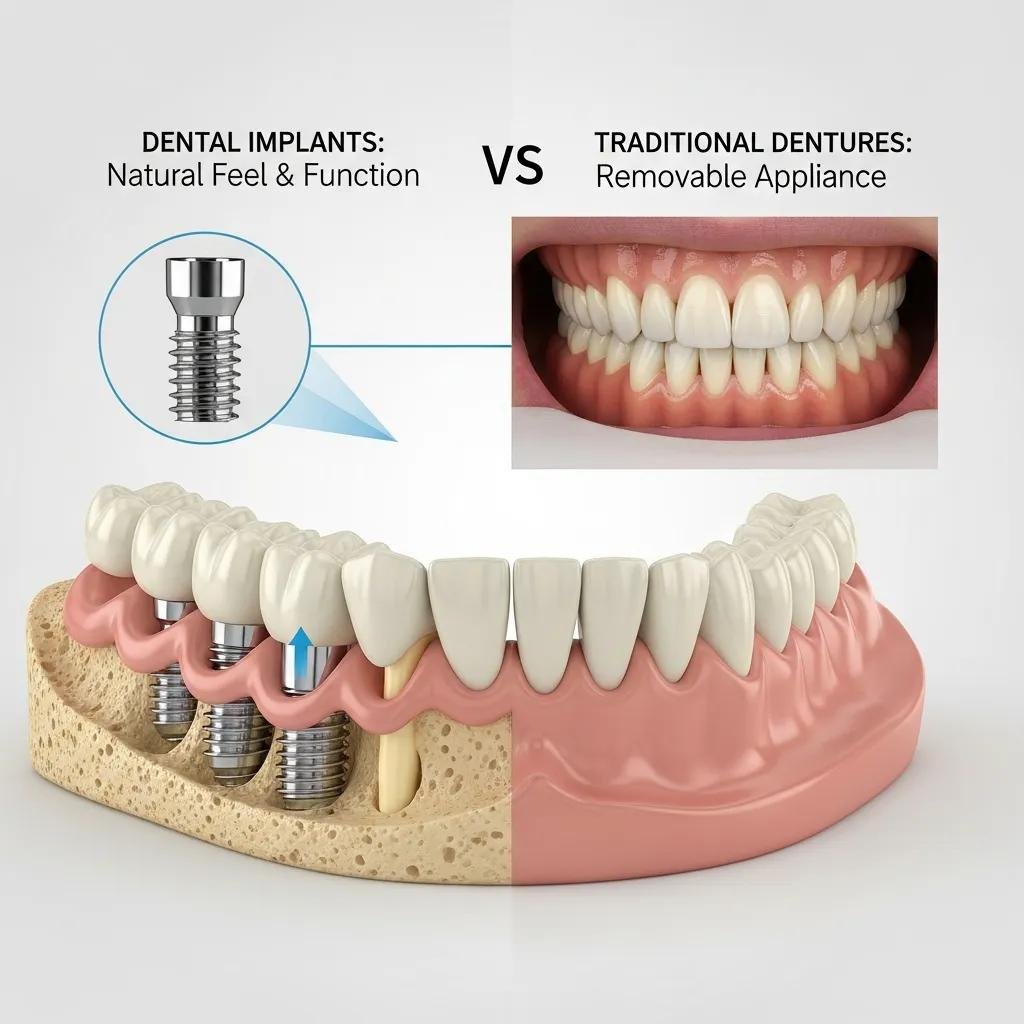
Implants provide a durable, long-term solution that closely replicates the appearance and function of natural teeth. They help preserve jawbone density and prevent the sunken look that can follow tooth loss. With proper care, implants often last many years and can greatly improve quality of life.
Research further supports the positive impact dental implants have on patients’ daily lives.
Dental Implants Improve Quality of Life After Tooth Loss
ABSTRACT: AbstractBackground and Objectives:Tooth loss is a serious life event that impairs two important functions, namely, eating and speaking, and has significant side effects on different aspects of quality of life. These effects are internalized by the individual. The present study aimed to compare the quality of life (QOL) of patients requesting dental implants before and after implant.
Comparing the quality of life of patients requesting dental implants before and after implant, A Moeintaghavi, 2017
Who Is a Candidate for Dental Implants in Bloomington CA?
Not every patient is an ideal candidate, but many people can benefit. Overall health, oral hygiene, and sufficient bone density are key factors. A qualified dental professional will evaluate these and develop a plan to achieve a successful outcome.
Criteria for Implant Dentist Evaluation and Patient Eligibility
Candidates should have adequate bone to support an implant and good oral health; existing dental problems should be addressed first. There is no strict upper age limit, though younger patients should wait until jaw growth is complete. A consultation provides a personalized eligibility assessment.
Alternative Tooth Replacement Options Available Locally
If implants are unsuitable, removable dentures or dental bridges can restore function and appearance. Each option has benefits and limitations; a dental professional can recommend the best choice for an individual’s needs.
What Are the Costs and Financing Options for Dental Implants in Bloomington?
Implant costs vary with case complexity, materials, and practice. Understanding price factors and financing options helps prospective patients plan treatment.
Affordable Dental Implant Solutions at Local Clinics
Clinics serving Bloomington offer a range of implant solutions and provide consultations to review treatment plans and financing. Many practices offer transparent pricing and financing to make implants more accessible.
Understanding Dental Implant Procedure Cost and Insurance Coverage
The total cost usually includes surgery, the implant, and the crown. Insurance coverage varies and may offer partial benefits. Patients should review policies and discuss expected out-of-pocket expenses with their provider.
Understanding Dental Implant Costs and Financing in Bloomington
Scheduling a consultation is the first step toward restoring your smile.
Steps to Book an Appointment for Expert Implant Services
Contact local dental clinics by phone or email to book an appointment. Clinic staff will guide scheduling and collect information for the consultation. Many clinics also offer online booking.
What to Expect During Your Initial Dental Implant Consultation
Expect a comprehensive oral evaluation, a review of your dental history, and a discussion of concerns. The dentist will explain the procedure, answer questions, and outline next steps so you understand the recommended treatment.
Frequently Asked Questions
1. How long do dental implants last?
With proper care, implants are a long-term solution and can last many years. The titanium post may remain indefinitely; crowns typically require replacement over time (commonly every 10–15 years). Regular maintenance maximizes lifespan.
2. What is the recovery time after dental implant surgery?
Initial healing is generally 1–2 weeks; swelling and discomfort are common and manageable. Full osseointegration usually takes several months. Follow-up visits monitor healing and determine when the final crown can be placed.
3. Are dental implants painful?
Most patients report minimal discomfort. Local anesthesia numbs the area during surgery, and post-operative pain is typically controlled with over-the-counter or prescribed medication and subsides within a few days.
4. Can dental implants be done for multiple missing teeth?
Yes. Multiple teeth can be replaced with individual implants or an implant-supported bridge, restoring function and supporting jawbone health. A dentist will recommend the appropriate approach based on needs and oral health.
5. What are the risks associated with dental implants?
Risks include infection, nerve injury, sinus issues for upper-jaw implants, and failure to integrate. Risk factors include low bone density and poor oral hygiene. A thorough assessment helps reduce complications.
6. How do I care for my dental implants?
Care is similar to natural teeth: brush and floss regularly, attend routine dental cleanings, avoid very hard foods, and address habits like teeth grinding. Regular professional check-ups protect implant health.
7. Are there age restrictions for getting dental implants?
There are no strict age limits. Candidates should have fully developed jawbones (late adolescence onward). Older adults in good health with adequate bone can also be suitable. A dental evaluation determines eligibility.
Conclusion
Dental implants are a durable, natural-looking option for tooth replacement that can restore function and appearance while preserving jawbone health. Understanding the procedure and candidacy criteria helps patients choose appropriate care. If you are considering implants, contact Dental Care of Rialto for a personalized consultation and take the first step toward restoring your smile.