
Bone Grafting Procedures for Dental Implants
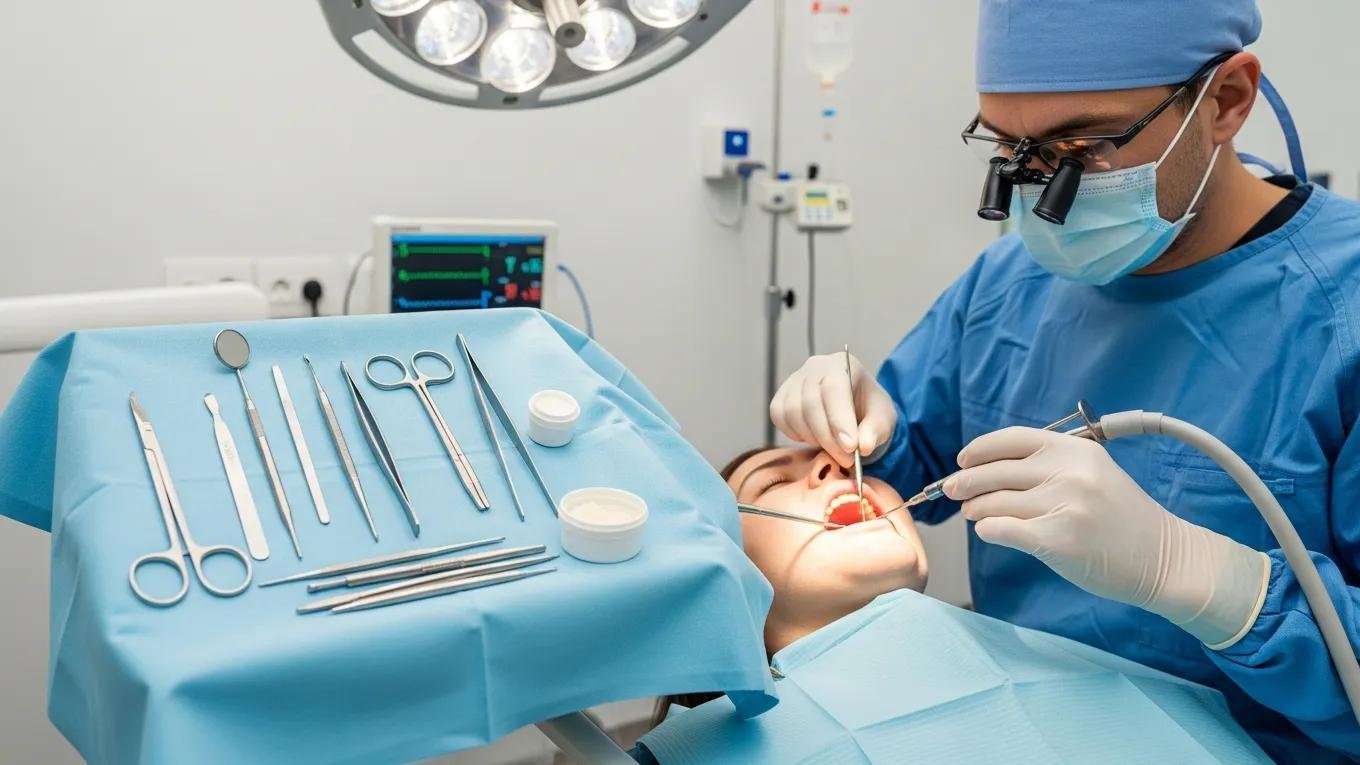
Bone Grafting Procedures for Dental Implants: Essential Patient Information and Recovery Guidance
Bone grafting restores jawbone and provides a stable foundation for dental implants. It places bone where volume is lacking so implants can be supported. I’ve notice that many of my patients often ask about graft types, the sinus lift and healing timelines. Understanding these elements improves implant success and helps plan recovery. This article outlines graft types, the sinus lift procedure and healing timelines.
What Are the Types of Bone Grafts Used in Dental Implant Procedures?
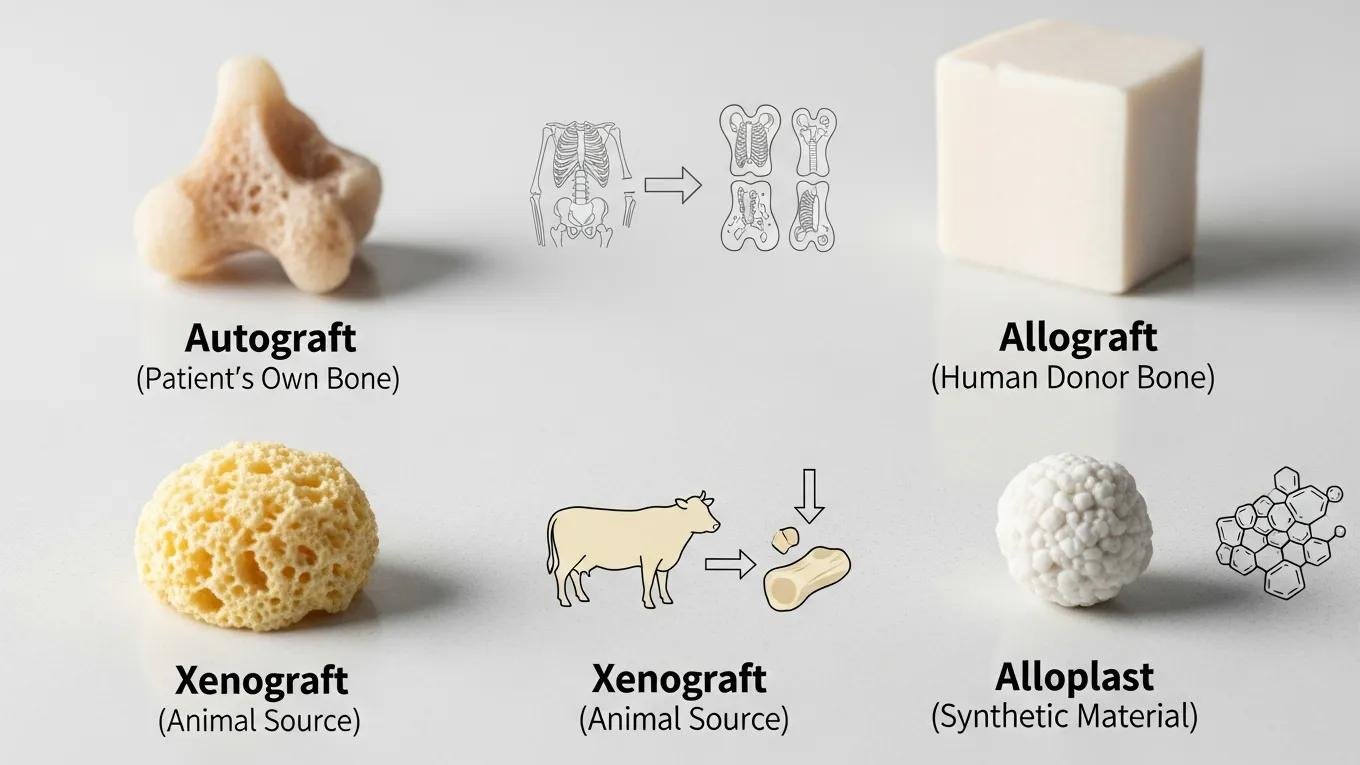
Bone grafts fall into four main categories: autografts, allografts, xenografts and alloplasts. Each material has specific properties and clinical uses to rebuild jawbone and support implant placement.
Recent research highlights the role of different grafting materials and techniques in achieving stable, long-term implant results.
Dental Implant Bone Grafting: Types, Materials & Techniques
Bone quality, volume, height and width are pivotal for implant stability, success and survival. A lack of adequate bone can be addressed with various bone grafting procedures. Grafting materials and techniques vary and may use autogenous, allogenous or xenograft bone, presented as particles or blocks. This overview covers indications, materials and techniques, including socket preservation and sinus augmentation, to support implant provision.
Bone grafting techniques and materials for implant dentistry, S Khalid, 2023
Understanding these options enables patients to make informed decisions about their treatment plans.
How Do Autogenous Bone Grafts Support Jawbone Augmentation?
Autogenous (patient-donor) grafts are the gold standard. Bone is harvested from the patient—commonly the hip or chin—and offers superior biocompatibility, reliable integration and predictable new bone formation, lowering the risk of rejection and complications.
What Are Allograft and Xenograft Materials in Bone Grafting?
Allografts and xenografts suit patients who cannot have autografts. Allografts are processed human donor bone that provides a scaffold for new growth and can fill larger defects. Xenografts, usually bovine, supply a structural framework for bone regeneration. Both reduce surgical time and donor-site morbidity compared with autogenous grafts.
Bone Grafting for Dental Implants: Your Guide to Recovery
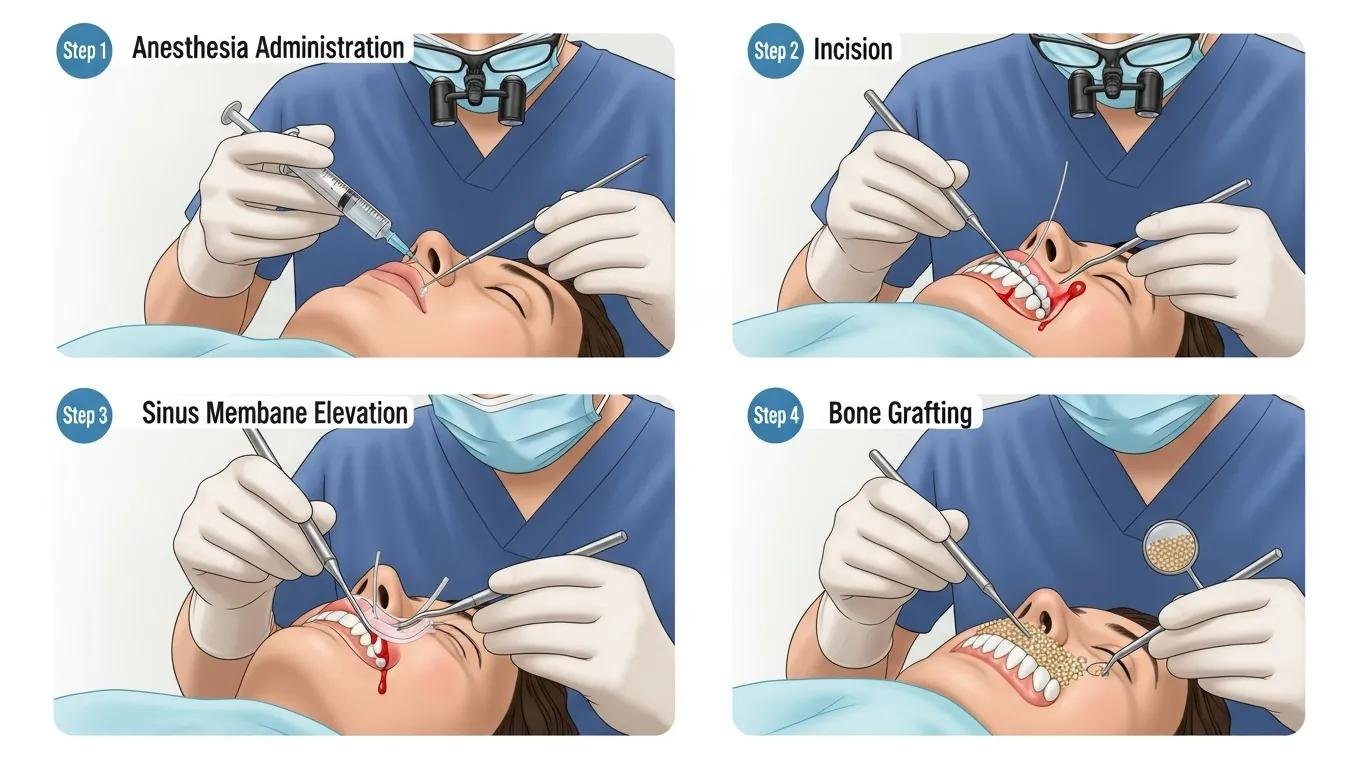
A sinus lift increases bone in the upper jaw behind the molars and premolars when the sinus cavity is close to the jawbone. The procedure creates space for graft material so implants can be placed securely in that region.
What Are the Indications for a Sinus Lift in Implant Surgery?
Indications include insufficient bone height from periodontal disease, previous tooth extractions, or anatomical factors such as a low sinus floor. Patients with these conditions often benefit from a sinus lift because it creates the necessary space for grafting and later implant placement.
What Are the Steps and Benefits of Sinus Lift Techniques?
A typical sinus lift follows these steps:
- Anesthesia Administration: Local anesthesia is administered to ensure patient comfort during the procedure.
- Incision and Access: A small incision is made in the gum tissue to access the bone.
- Sinus Membrane Elevation: The sinus membrane is carefully lifted to create space for the bone graft.
- Bone Grafting: Bone graft material is placed in the newly created space.
- Closure: The incision is closed with sutures, and the healing process begins.
Benefits include increased bone volume and density, improved implant stability and a greater likelihood of long-term success for implant procedures. If you’re interested more in the benefits of jawbone augmentation, this article does a great job diving deeper. Cleveland Clinic also has great coverage on bonegrafting, I’ll link the ariclehere for you.
What Is the Typical Healing Time After Bone Grafting for Dental Implants?
Healing depends on graft type, overall health and adherence to post-operative instructions. Typically expect 4 to 6 months before implant placement.
Clinical studies report average healing intervals for grafted sites, supporting completion of recovery before implant placement.
Bone Graft Healing Time & Implant Success Rates
For sites grafted prior to implant placement, mean post-graft healing time was 4.5 ± 1.5 months. The current literature offers conflicting findings on implant success and survival when comparing grafted and nongrafted sites.
Bone grafting history affects soft tissue healing following implant placement, V Kofina, 2021
Which Factors Influence Bone Graft Healing Duration?
Several factors affect graft healing duration and should be considered:
- Type of Graft: Autogenous grafts typically heal faster than allografts or xenografts.
- Patient Health: Overall health, including conditions like diabetes or smoking, can impede healing.
- Surgical Technique: The skill of the surgeon and the complexity of the procedure can also affect healing times.
How Does Proper Healing Affect Dental Implant Success Rates?
Adequate healing is essential for implant integration; success is higher after full graft maturation. Patients who follow post-operative care and attend follow-up visits achieve better outcomes; success rates exceed 95% in well-healed grafts.
A systematic review describes varying success and survival rates of dental implants depending on the graft type used for augmentation.
Dental Implant Success Rates with Various Bone Grafts
This review compared implant success and survival after different bone grafts. Following 1–5 years of follow-up, reported success and survival rates were: block grafts 91.5% and 75%; blood derivatives 91.5% and 96.7%; composite grafts 80.9% and 94.2%; xenografts and particulate grafts 100% for both success and survival. The authors reported that autologous block grafts, composite grafts and blood derivatives were among the most commonly used materials.
Comparative bone graft evaluation for dental implant success: an evidence-based review, 2021
If you are considering dental implants, understanding bone grafting and its implications is essential. Dental Care of Rialto provides bone grafting and implant services to help patients achieve the best outcomes.
Frequently Asked Questions
What is the role of bone grafting in dental implant success?
Bone grafting supplies structural support when the jaw lacks sufficient density or volume, improving implant integration and long-term function. Without adequate bone, implants are more likely to fail, so grafting is often needed for predictable results.
Are there any risks associated with bone grafting procedures?
Risks include infection, bleeding and anesthesia reactions; graft failure can occur if the material is not incorporated. You may have discomfort, swelling or bruising. Choosing an experienced dental team and following post-operative instructions reduces these risks.
How can patients prepare for a bone grafting procedure?
Preparation begins with a consultation to review medical history, medications and underlying conditions. Your clinician may advise stopping smoking and certain drugs, like blood thinners, before surgery. Arrange transport and support for initial recovery. Follow pre-op instructions to improve outcomes.
What post-operative care is required after bone grafting?
Follow your dentist’s directions for medications, pain control and oral hygiene. Avoid strenuous activity and eat soft foods to minimise stress on the graft. Attend follow-up visits so healing can be monitored and concerns addressed. Proper care readies you for implant placement.
How does bone grafting affect the overall cost of dental implants?
Bone grafting raises the overall cost of implants because of added procedures and materials. The graft type—autograft, allograft, xenograft or alloplast—affects fees. Although upfront costs increase, grafting can improve long-term success and reduce future complications. Discuss costs and options with your provider to set expectations.
What should patients expect during the recovery period after bone grafting?
Expect swelling, discomfort and possible bruising controlled with pain relief and cold packs. Healing typically takes 4 to 6 months; avoid heavy exercise and follow dietary restrictions during this time. Attend regular follow-ups to track progress. Following post-operative instructions is vital for a successful recovery and implant readiness.
Conclusion
Bone grafting increases bone volume and provides a stable foundation for implants. Knowing graft types and healing timelines helps you make informed treatment decisions. Consult a dental specialist in bone grafting to optimise results. Contact Dental Care of Rialto to begin your implant journey.