
The Importance of Regular Oral Cancer Screenings
Why Oral Cancer Screenings Are Vital for Your Health
By Michael Carmy, Dental Care of Rialto
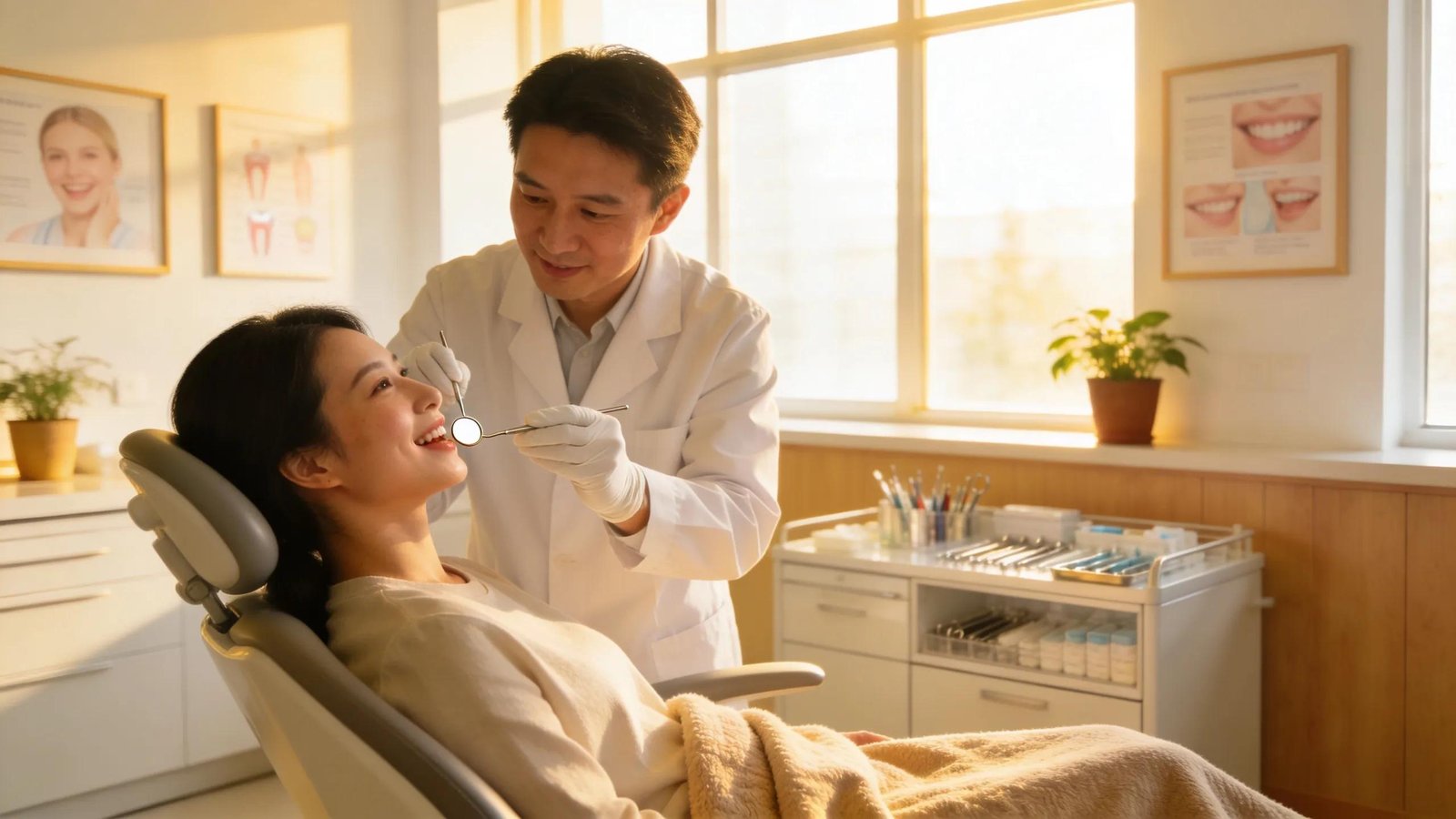
Oral cancer screenings are a fundamental component of preventive dental care. They identify cancers or precancerous changes at an early stage, when treatment is more likely to succeed. Regular screening detects abnormalities sooner, enabling timely clinical assessment, possible lifestyle modification, or medical intervention. This article outlines early signs and symptoms, describes how screenings are performed, reviews risk factors, and explains why residents of Rialto should make screening a routine part of their dental care.
What Are the Early Signs and Symptoms of Oral Cancer?
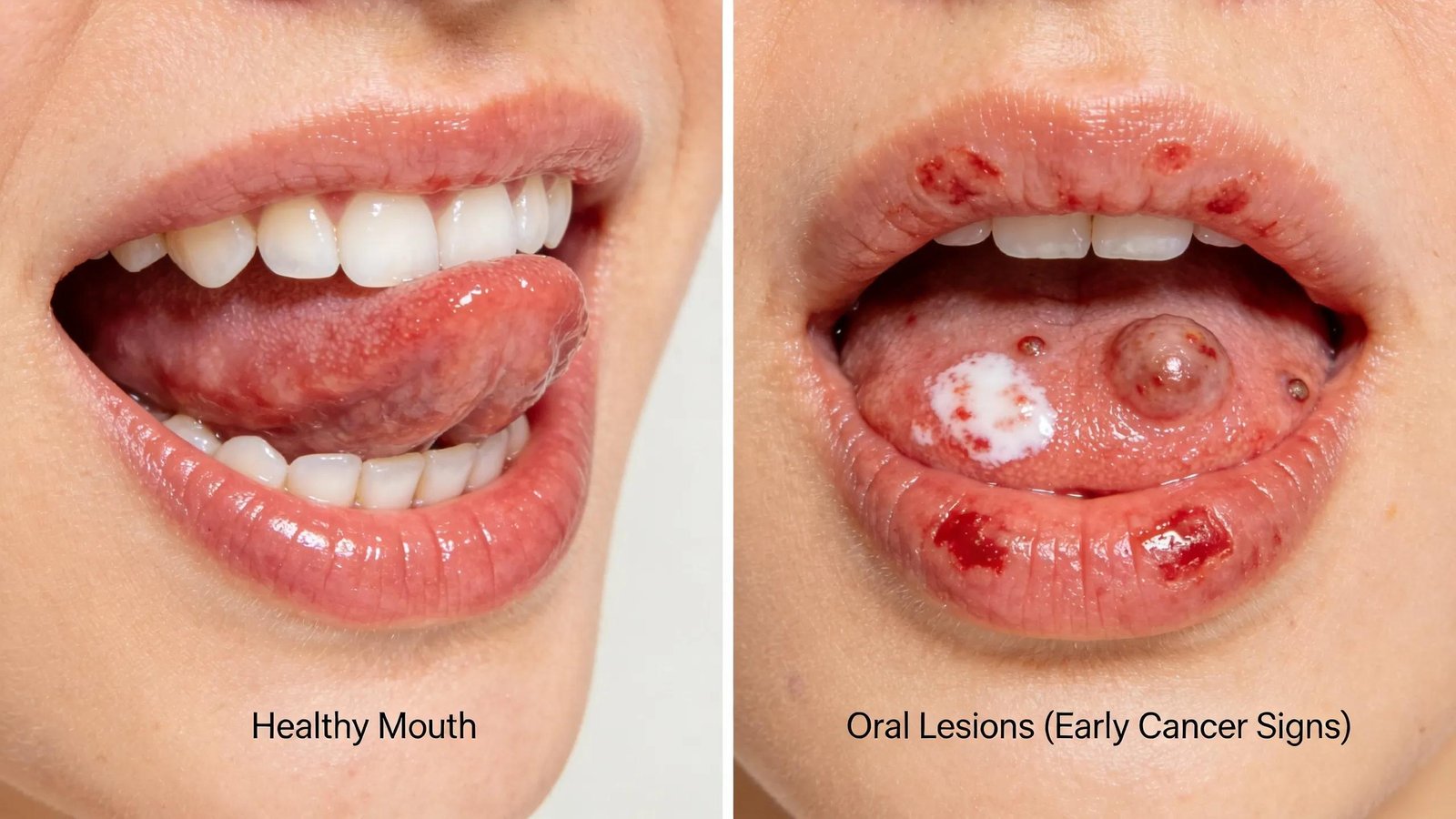
Recognising early signs and symptoms improves the likelihood of successful treatment. Look for persistent sores, unusual lumps or growths, and changes in the colour or texture of the oral mucosa. Noting these changes promptly enables faster clinical evaluation and follow-up testing if required.
Which symptoms indicate potential oral cancer risk?
Symptoms that raise concern include persistent mouth ulcers that do not heal, unexplained lumps or masses, and difficulty swallowing or changes in the voice. Unexplained bleeding or persistent numbness in the oral region are also warning signs. Any prolonged or unexplained symptom warrants professional assessment.
How does early symptom detection improve treatment outcomes?
Detecting symptoms early is directly associated with better outcomes. Patients diagnosed at an earlier stage generally have higher survival rates and may require less aggressive treatment. Prompt diagnosis enables timely referral and treatment planning, which can preserve function and improve quality of life.
How Is an Oral Cancer Screening Performed in a Dental Setting?
An oral cancer screening is usually incorporated into a routine dental examination. The practitioner conducts a systematic visual inspection of the oral cavity and surrounding tissues while asking about any symptoms or changes the patient has observed.
What steps are involved in the oral cancer screening procedure?
The procedure involves careful inspection of the mouth, throat and neck for unusual lesions, growths or discolouration. The clinician may palpate the lymph nodes in the neck to detect swelling or firmness that requires further evaluation. Findings that appear suspicious prompt additional diagnostic steps or specialist referral.
What technologies and methods support accurate detection?
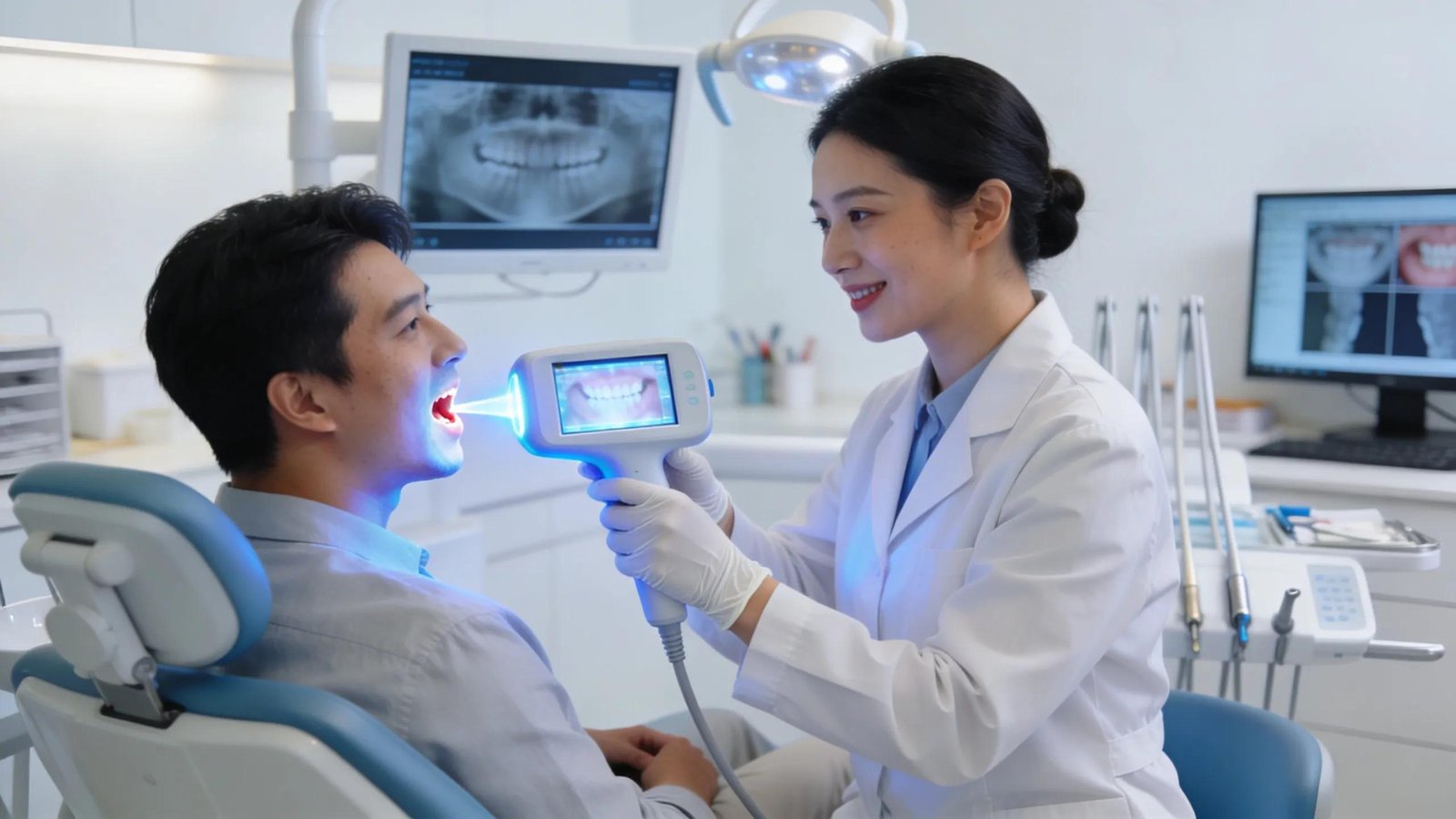
Adjunctive tools such as fluorescence visualisation and brush biopsy techniques can improve detection of abnormal tissue. These methods assist clinicians in identifying precancerous lesions and determining when referral or biopsy is indicated. The use of modern diagnostic tools enhances the reliability of screening.
Which Risk Factors Increase the Likelihood of Developing Oral Cancer?
Awareness of risk factors supports prevention and early detection. Lifestyle factors and certain infections increase the probability of developing oral cancer; understanding these risks helps individuals and clinicians target screening and prevention efforts.
How do smoking, alcohol, and HPV contribute to oral cancer risk?
Tobacco use and heavy alcohol consumption are major risk factors. Carcinogens in tobacco and the damaging effects of alcohol on oral tissues act together to raise cancer risk. In addition, infection with Human Papillomavirus (HPV) is linked to an increased risk of oropharyngeal cancers, particularly among younger people.
What preventive measures can reduce these risks?
Risk reduction focuses on lifestyle modification and regular surveillance. Quitting smoking and reducing alcohol intake lower risk. Routine dental examinations and screenings aid early detection. Maintaining good oral hygiene and a diet rich in fruits and vegetables can further reduce risk and support overall oral health.
Why Should Rialto Residents Schedule Regular Oral Cancer Screenings?
Residents of Rialto should include oral cancer screenings in routine dental care to enable early detection and timely intervention. Regular screening provides an opportunity to identify concerning changes before they advance, which supports better clinical outcomes.
How does early detection impact survival rates for oral cancer?
Early detection can substantially improve survival prospects. Patients identified by routine screening tend to present at earlier stages, when treatments are more effective and less invasive. Regular screening therefore contributes to higher rates of successful recovery.
What are the recommended screening frequency and patient preparation steps?
Annual screenings are generally recommended, with more frequent evaluations for individuals who have known risk factors. Prepare by keeping an up-to-date dental record and informing the clinician of any changes in the mouth. Open communication with the dental team supports accurate assessment and effective follow-up.
Dental Care of Rialto emphasises the value of incorporating oral cancer screening into standard dental visits and offers accessible, thorough screening services to support the health of the Rialto community.
Frequently Asked Questions
What age should individuals begin oral cancer screenings?
Screenings are commonly recommended from age 18 for those with risk factors such as tobacco use or a history of HPV. Because risk increases with age, many clinicians advise more frequent screening for people over 40. A personalised recommendation should be obtained from a healthcare professional based on individual risk and history.
Are oral cancer screenings painful?
No. Oral cancer screenings are generally not painful. The examination consists of visual inspection and gentle palpation of tissues and lymph nodes, which typically causes minimal discomfort. Patients should raise any concerns about sensitivity so the clinician can adjust the approach as needed.
Can poor oral hygiene increase the risk of oral cancer?
Yes. Poor oral hygiene can promote chronic inflammation and recurrent infections in the mouth, conditions that may create an environment conducive to malignant change. Consistent oral care—regular brushing, flossing and professional cleanings—reduces these risks.
What should I do if an abnormality is detected during a screening?
If an abnormality is found, the dental professional will recommend further testing or referral to a specialist for definitive evaluation. It is essential to follow these recommendations promptly so that the nature of the lesion can be determined and appropriate treatment commenced if necessary.
How often do high-risk individuals need to be screened?
People identified as high risk—such as those with a history of smoking, heavy alcohol use or HPV—should consider screening at least twice yearly. More frequent monitoring enables earlier detection of changes and facilitates timely intervention based on individual risk profiles.
Is there ongoing research related to oral cancer screenings?
Yes. Research continues to refine screening techniques and to develop improved, less invasive tests and biomarkers for early detection. Awareness of emerging advances can help patients and clinicians select the most effective screening strategies.
Can dietary changes influence oral cancer risk?
Dietary choices can affect risk. Diets rich in fruits, vegetables and whole grains provide vitamins and antioxidants that support oral health and help reduce inflammation. Limiting processed foods and excessive sugar can also be beneficial when combined with other healthy behaviours.
Conclusion
Regular oral cancer screenings enable timely detection and intervention, which improves treatment options and survival outcomes. By prioritising routine screening, residents of Rialto can reduce the risk of advanced disease and protect oral health. Arrange your next screening with your dental provider to maintain proactive care and reassurance about your oral health.