
How Intraoral Cameras Enhance Dental Diagnostics
How Intraoral Cameras Enhance Dental Diagnostics with Advanced Digital Imaging
By Michael Carmy, Dental Care of Rialto
Intraoral cameras produce high-resolution images that improve the clarity and accuracy of dental examinations. These compact instruments enable the dental team to capture detailed views of the oral cavity, aiding identification of caries (cavities), gum disease and other abnormalities. This article explains how these digital imaging tools operate, outlines their clinical benefits, and sets expectations for patients during examination. We also describe how intraoral cameras fit into contemporary practice workflows and how they support patient education and informed care decisions.
What is an Intraoral Camera and How Does It Improve Dental Exams?
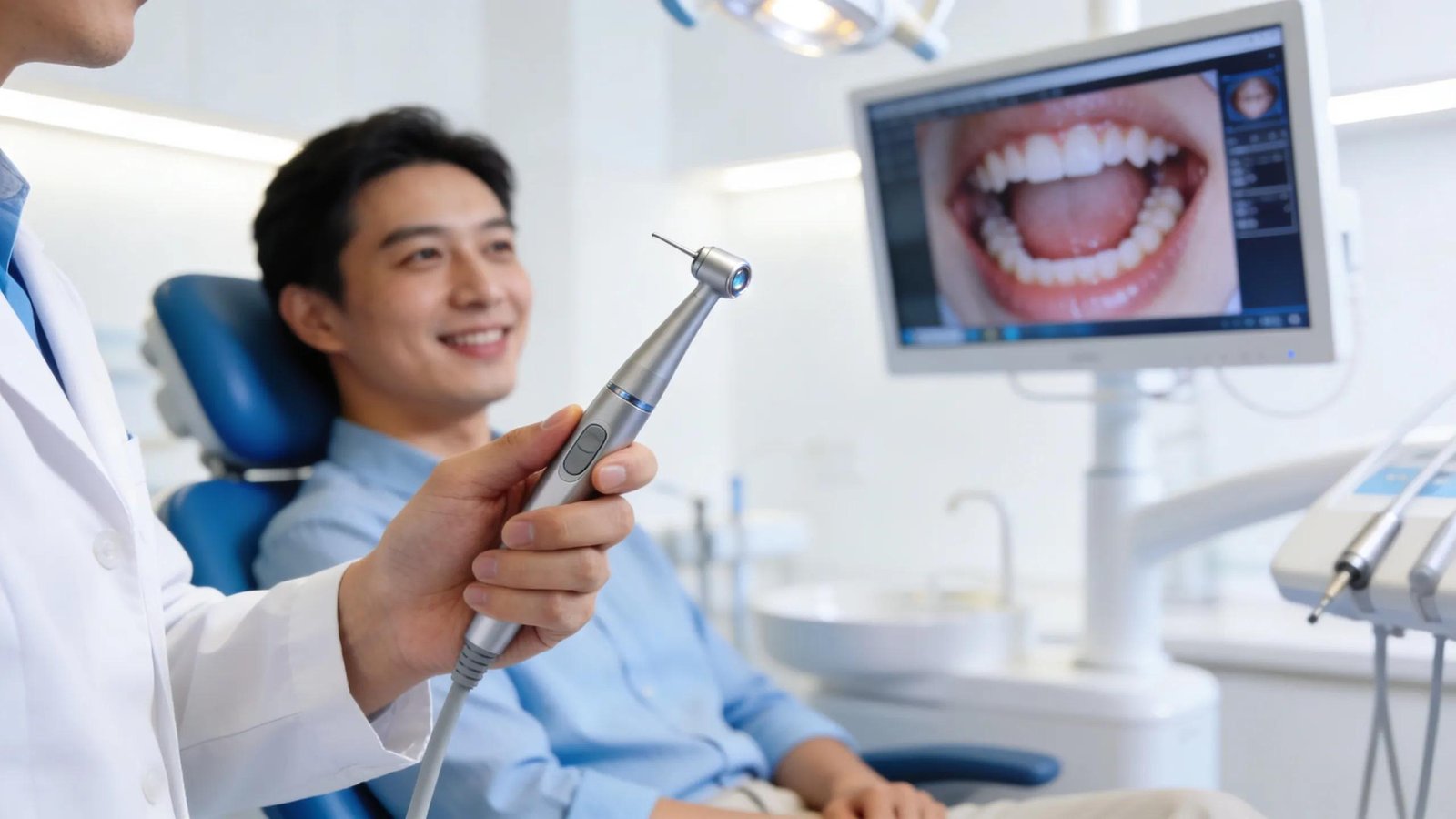
An intraoral camera is a small, pen-sized device with an imaging sensor and integrated illumination that captures high-quality views of the mouth. It gives clinicians immediate visual feedback during an appointment, with images displayed on a monitor in real time to support clear communication. Modern intraoral cameras use refined optics and lighting to produce images that assist in diagnosis more precisely than unaided inspection alone.
Understanding the Device and Its Role in Dental Imaging
The device comprises precision lenses and a lighting system designed to illuminate oral structures and produce magnified views. Its compact form allows manoeuvring to capture multiple angles within the oral cavity. Captured images are stored in digital format for documentation and further analysis or consultation.
How Intraoral Cameras Increase Diagnostic Accuracy
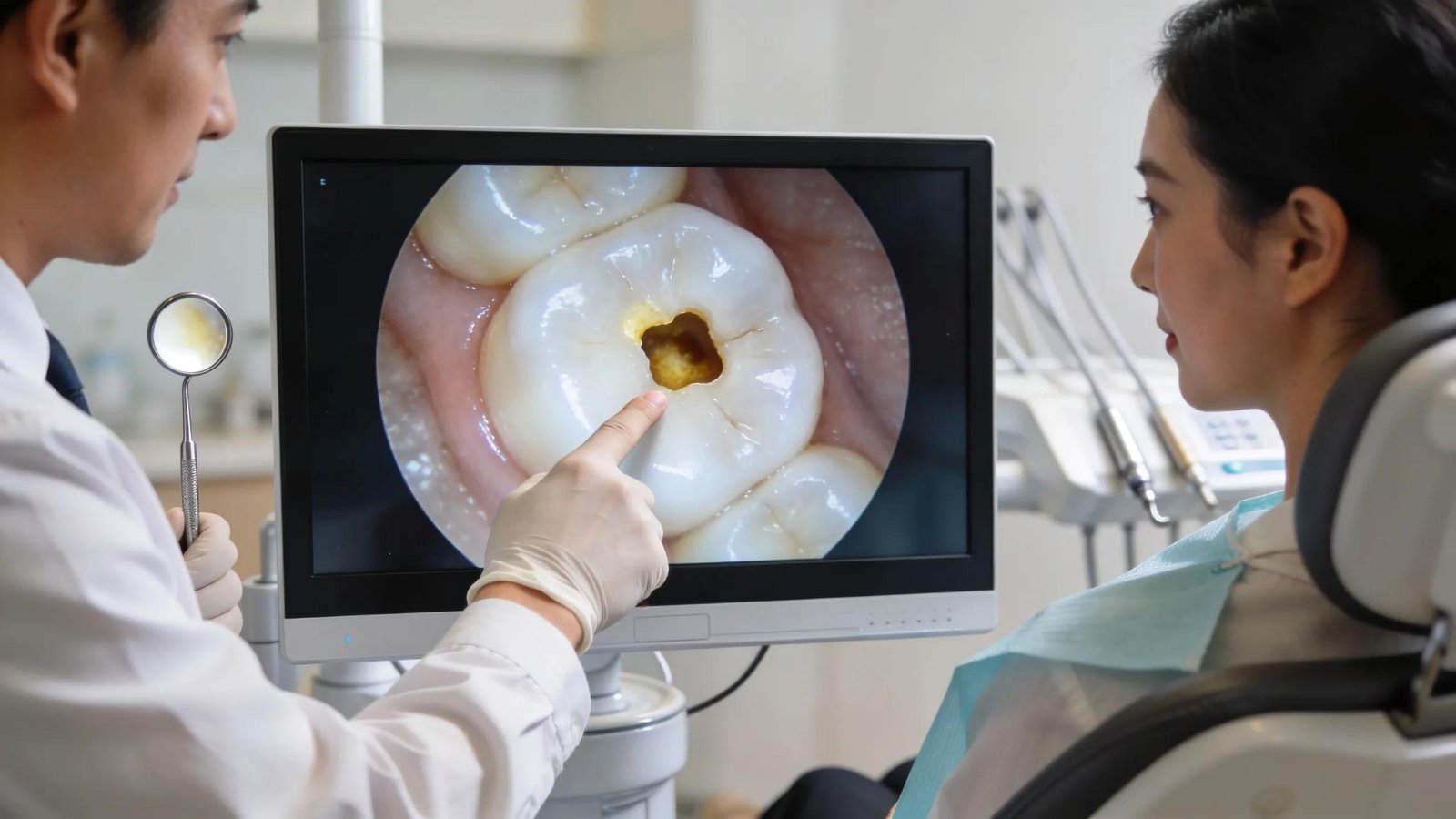
Intraoral cameras increase diagnostic accuracy by providing magnified, high-quality views of dental structures. This enhanced visualisation helps clinicians detect early-stage caries, hairline cracks and other issues that might be missed during a standard visual exam. Evidence indicates that incorporating intraoral imaging into routine assessments supports earlier detection and timely intervention, which can improve patient outcomes.
This is further supported by studies comparing intraoral cameras to other diagnostic methods for detecting dental issues.
Intraoral Cameras vs. Radiographs: Caries Detection Accuracy
This systematic review and meta-analysis compare the diagnostic accuracy of intraoral scanners (IOS) and intraoral cameras (IOC) against traditional radiographic and histological methods for caries detection. Due to variation in sensitivity (SE) and specificity (SP) among diagnostic tools, this study evaluated their performance based on lesion type, lesion location, and examiner-dependent factors.Comparison of the accuracy of intraoral scanners, intraoral cameras, radiographs, and histological methods for the diagnosis of dental caries: a systematic review and …, F Rashid, 2025
What Are the Key Benefits of Using Intraoral Cameras in Patient Care?
Intraoral cameras provide several clinical advantages that improve diagnostic capability and the patient experience.
- Enhances Early Cavity Detection: Intraoral cameras allow for early identification of cavities, which can lead to more effective treatment plans. Dentists can visualize areas that may be difficult to see with the naked eye.
- Improves Patient Education: The visual aspect of intraoral cameras provides patients with a clearer understanding of their dental conditions. By seeing images of their own mouths, patients can better comprehend the need for treatment.
- Supports Personalized Treatment Planning: With high-resolution images, dentists can create detailed treatment plans tailored to the specific needs of each patient. This individualized approach can improve treatment outcomes.
At Dental Care of Rialto, intraoral cameras are used to enhance the diagnostic process and to ensure patients have a clear, evidence-based understanding of their oral health.
Enhancing Early Cavity Detection and Treatment Planning
Intraoral cameras support early detection of caries and other lesions, allowing clinicians to develop timely, appropriate treatment plans. High-quality images enable practitioners to show patients the exact areas of concern, increasing transparency and encouraging proactive care.
How Intraoral Cameras Improve Patient Education and Engagement
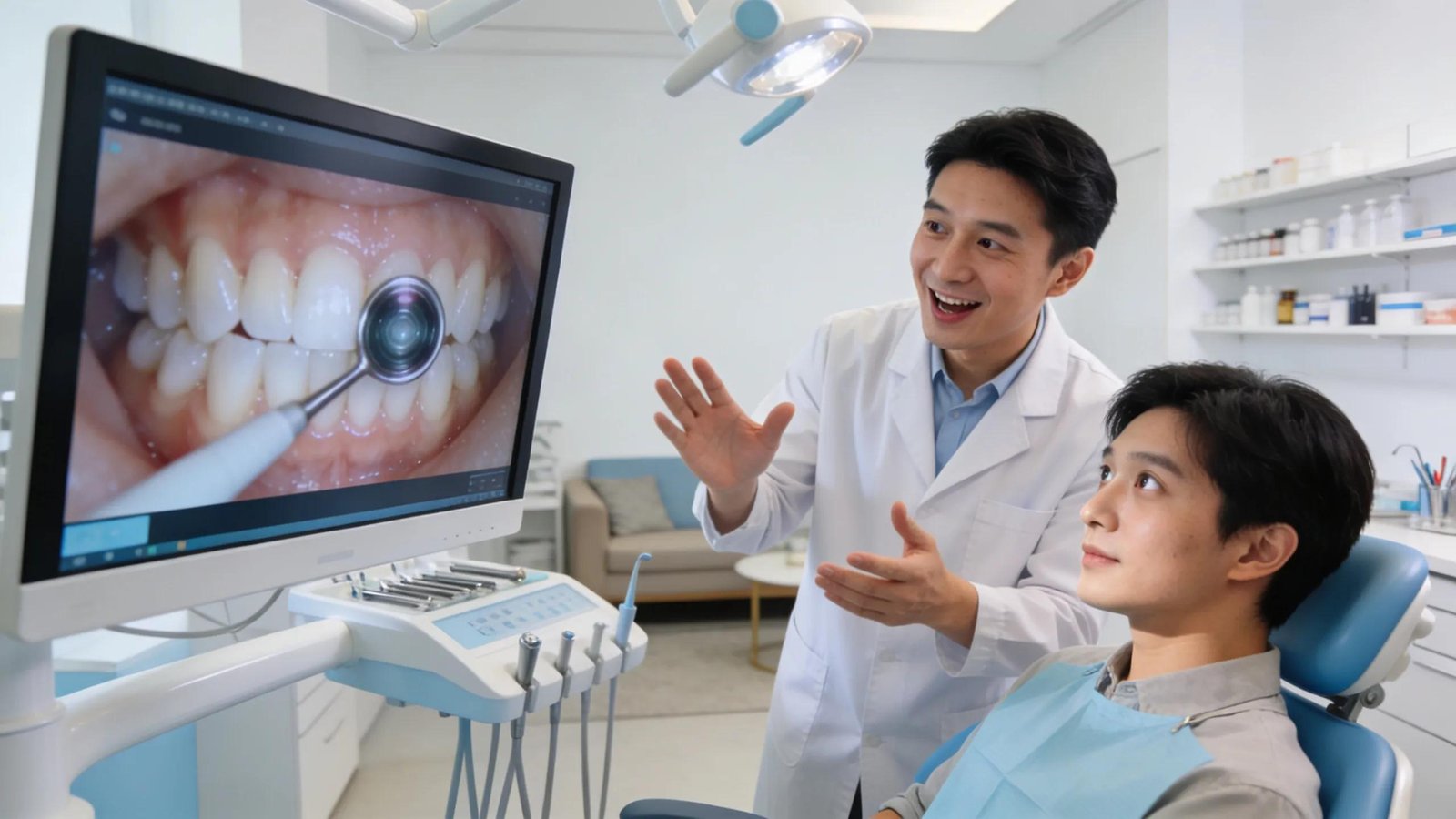
Intraoral images function as clear visual aids during consultations, improving communication about conditions and treatment options. Patients who view their own images are generally more engaged in care discussions and more likely to follow recommended treatments.
The application of artificial intelligence and deep learning further enhances the capabilities of these camera images for caries detection.
AI and Deep Learning for Intraoral Caries Detection
Camera image-based deep learning (DL) techniques have achieved promising results in dental caries screening. To apply the intraoral camera image-based DL technique for dental caries detection and assess its diagnostic performance, we employed the ensemble technique in the image classification task.
Diagnostic accuracy of dental caries detection using ensemble techniques in deep learning with intraoral camera images, B Shon, 2024
Improving Dental Diagnostics with Intraoral Camera Technology
Intraoral cameras are increasingly integrated into modern dental workflows as part of the shift toward digital care. Their use complements other diagnostic tools and strengthens the clinical decision-making process and treatment planning.
Using Intraoral Imaging for Effective Treatment Visualization
Practices that use intraoral imaging benefit from clearer visual communication. Real-time images help clinicians explain procedures, reinforce treatment plans and develop a collaborative relationship with patients about their oral health.
What Should Patients Expect During an Intraoral Camera Exam in Rialto CA?
Patients can expect a straightforward examination. The clinician will gently position the camera in the mouth and capture images as needed. Most patients find the procedure comfortable, and it typically takes only a few minutes.
Clinicians review images with patients in real time, discussing any findings and recommended options. This immediate feedback supports informed decision-making about care.
Cost and Frequency of Intraoral Camera Exams
Costs vary by practice and insurance coverage, but intraoral camera imaging typically adds minimal expense to routine examinations. The additional cost is often offset by improved diagnostic accuracy and clearer patient communication. Regular use during dental check-ups supports comprehensive care and early detection of issues.
Frequently Asked Questions
How do intraoral cameras compare to traditional oral exams?
Intraoral cameras offer advantages over traditional exams by capturing high-resolution, magnified images of dental structures. These images allow clinicians to detect less visible conditions, such as early caries and cracks, that may be missed by visual inspection alone. Real-time display of findings also facilitates immediate discussion with patients, providing a more informative experience than inspection without visual aids.
Are intraoral cameras safe for patients?
Yes. Intraoral cameras are non-invasive devices that do not emit ionising radiation. Imaging is comfortable for patients and does not cause pain. The camera design allows careful manoeuvring within the mouth without harming oral tissues.
Can intraoral cameras be used for children?
Yes. Their compact size and gentle use make intraoral cameras appropriate for paediatric patients. Visual feedback helps children and parents understand conditions and recommended care, which can reduce anxiety and improve cooperation during visits.
What limitations do intraoral cameras have?
Intraoral cameras primarily capture surface-level images and may not reveal deeper pathology that is not visible externally. Their effectiveness can be affected by moisture, limited access or challenging angles within the mouth. For a comprehensive assessment, clinicians often use them alongside other diagnostic tools such as radiographs.
Do intraoral cameras require special training for use?
Yes. Dental professionals receive training to operate intraoral cameras effectively and to interpret the images. Training ensures proper camera positioning, patient comfort and clear communication of findings, which together improve quality of care.
How do intraoral cameras assist in tele-dentistry?
Intraoral cameras support tele-dentistry by enabling capture and digital sharing of high-quality images for remote consultation. This capability allows clinicians to assess conditions, provide guidance and plan follow-up care when in-person visits are impractical, improving access and continuity of care.
Conclusion
Intraoral cameras strengthen diagnostic accuracy and patient education, contributing to improved treatment outcomes. Clear visualisation empowers patients and supports a collaborative approach to oral health. Regular use of these imaging tools aids early detection and timely intervention. To benefit from these advances, discuss intraoral camera imaging at your next dental check-up.