
Protect Your Smile with Sports Mouthguards
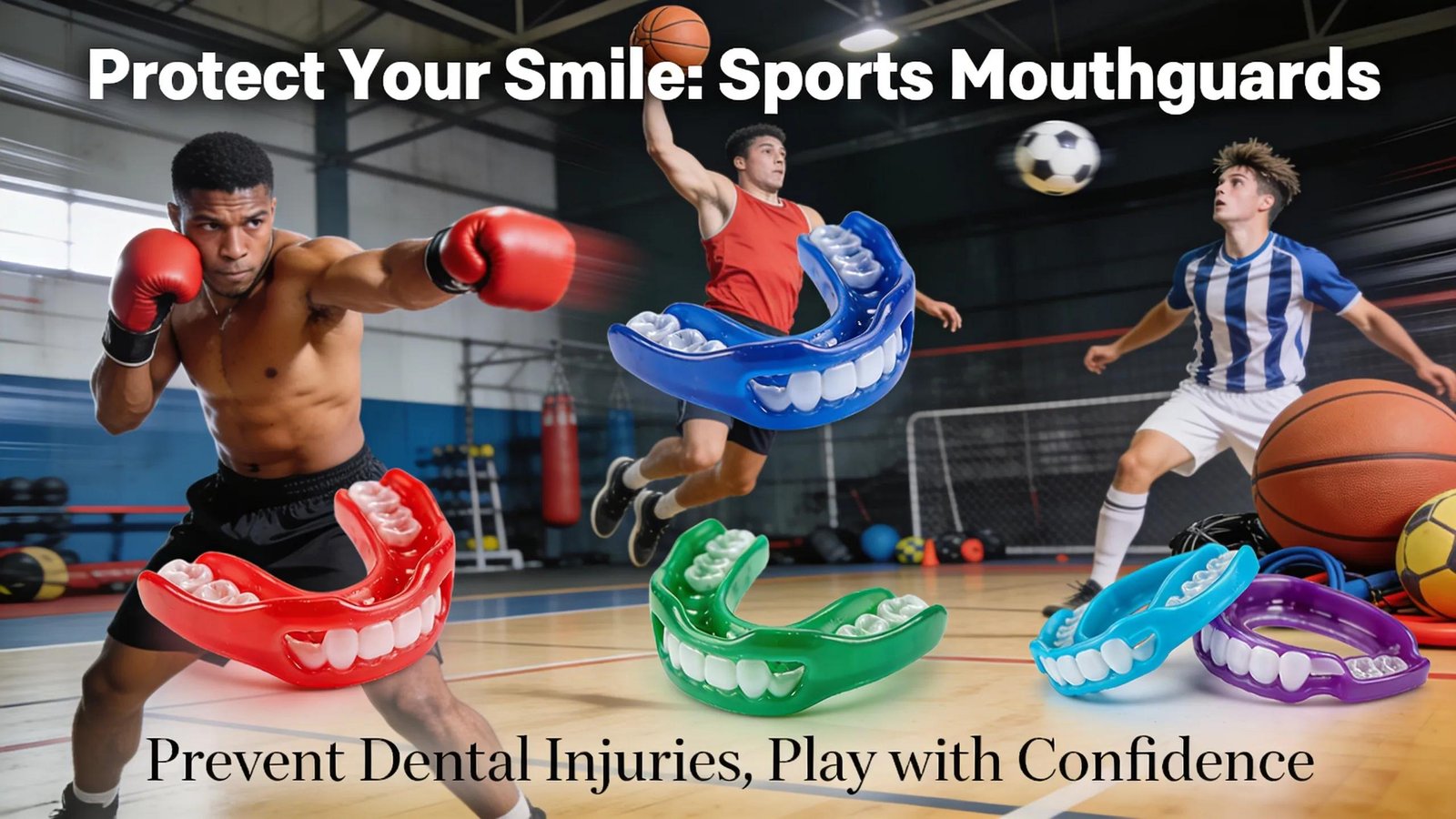
Protecting Your Smile with Custom Sports Mouthguards
By Michael Carmy, Dental Care of Rialto
Sport boosts fitness and teamwork but brings a risk of dental injury that can cause pain and cost. Custom sports mouthguards cut that risk by offering tailored protection for athletes of any age. This guide summarises available types, the professional fitting process, protective advantages and basic maintenance so you can choose what best protects your teeth.
Understanding the differences between custom, stock and boil-and-bite guards helps you match protection, fit and cost to the athlete’s needs and level of contact.
What Types of Sports Mouthguards Are Available for Dental Protection?
Several mouthguard designs exist; your choice affects comfort and protection.
Weigh protection, fit and cost to select the best guard for the sport and athlete.
How Do Custom Mouthguards Compare to Stock and Boil-and-Bite Options?
Custom mouthguards are made from impressions of an individual’s teeth, giving a superior fit and comfort versus off-the-shelf guards. Stock guards are cheap and immediate but often fit poorly. Boil-and-bite options improve fit but usually lack the precision of a professionally made device. The higher initial cost of custom guards is balanced by better protection and longer-term comfort.
Which Materials Are Considered Best for Mouthguards?
Material affects cushioning and durability. Custom guards commonly use ethylene vinyl acetate (EVA) or medical-grade silicone for a balance of flexibility and impact resistance. EVA is popular because it absorbs shock while staying lightweight; choosing durable materials prolongs protective performance.
What Is the Professional Mouthguard Fitting Process at Dental Care of Rialto?
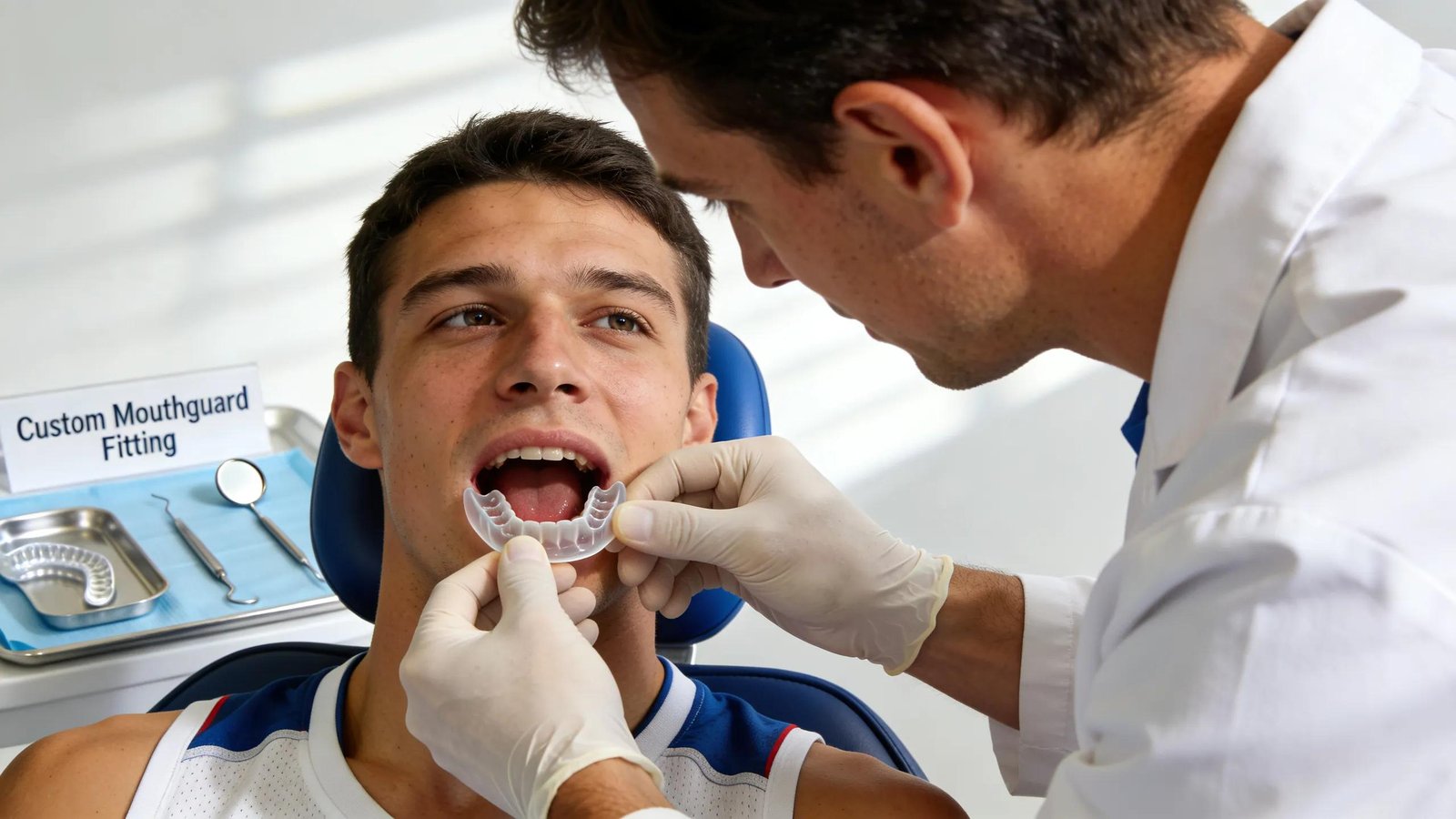
Custom fitting is a staged clinical workflow to secure protection and comfort. At Dental Care of Rialto, clinicians oversee each phase to ensure fit and function.
The workflow includes a consultation to record sport-specific needs, accurate dental impressions, laboratory fabrication from those impressions, and a final clinical fitting that confirms comfort and retention without excessive pressure.
What Are the Step-by-Step Procedures for Custom Mouthguard Fabrication?
- Initial Consultation: Discuss the athlete’s sport and needs.
- Mouth Impressions: Take accurate impressions for precision.
- Design and Fabrication: Lab crafts the mouthguard from impressions using quality materials.
- Final Fitting: Confirm a comfortable, secure fit.
These steps help ensure the guard protects effectively and is comfortable enough for regular use.
Why Is Expert Fitting Important for Athletic Dental Protection?
A professionally fitted mouthguard limits movement on impact, improving protection and comfort. Research shows fitted guards lower the incidence of dental trauma compared with many over-the-counter alternatives. Better comfort also encourages consistent wear during training and competition.
How Do Sports Mouthguards Protect Against Dental Injuries and Concussions?
Mouthguards lower the risk of dental trauma and can help dissipate impact forces that might otherwise cause fractures, dislocations or tooth avulsion; they may also reduce force transmitted through the jaw, which could have an indirect effect on concussion risk.
What Are the Common Dental Injuries Prevented by Mouthguards?
Mouthguards reduce the risk of several injuries, including:
- Fractured Teeth: Absorb force that could break a tooth.
- Tooth Displacement: Reduce the chance of teeth being knocked out of alignment.
- Soft Tissue Injuries: Protect cheeks, lips and gums from cuts and bruising.
These protections make mouthguards a sensible precaution for athletes at all levels.
Is There Evidence Supporting Mouthguards in Reducing Concussion Risks?
Some evidence indicates well-fitted mouthguards can absorb shock and reduce force transmission to the jaw and head, but findings are not conclusive. Given their clear dental benefits and possible concussion mitigation, using a properly fitted guard is still recommended.
How Should You Care for and Maintain Your Sports Mouthguard?
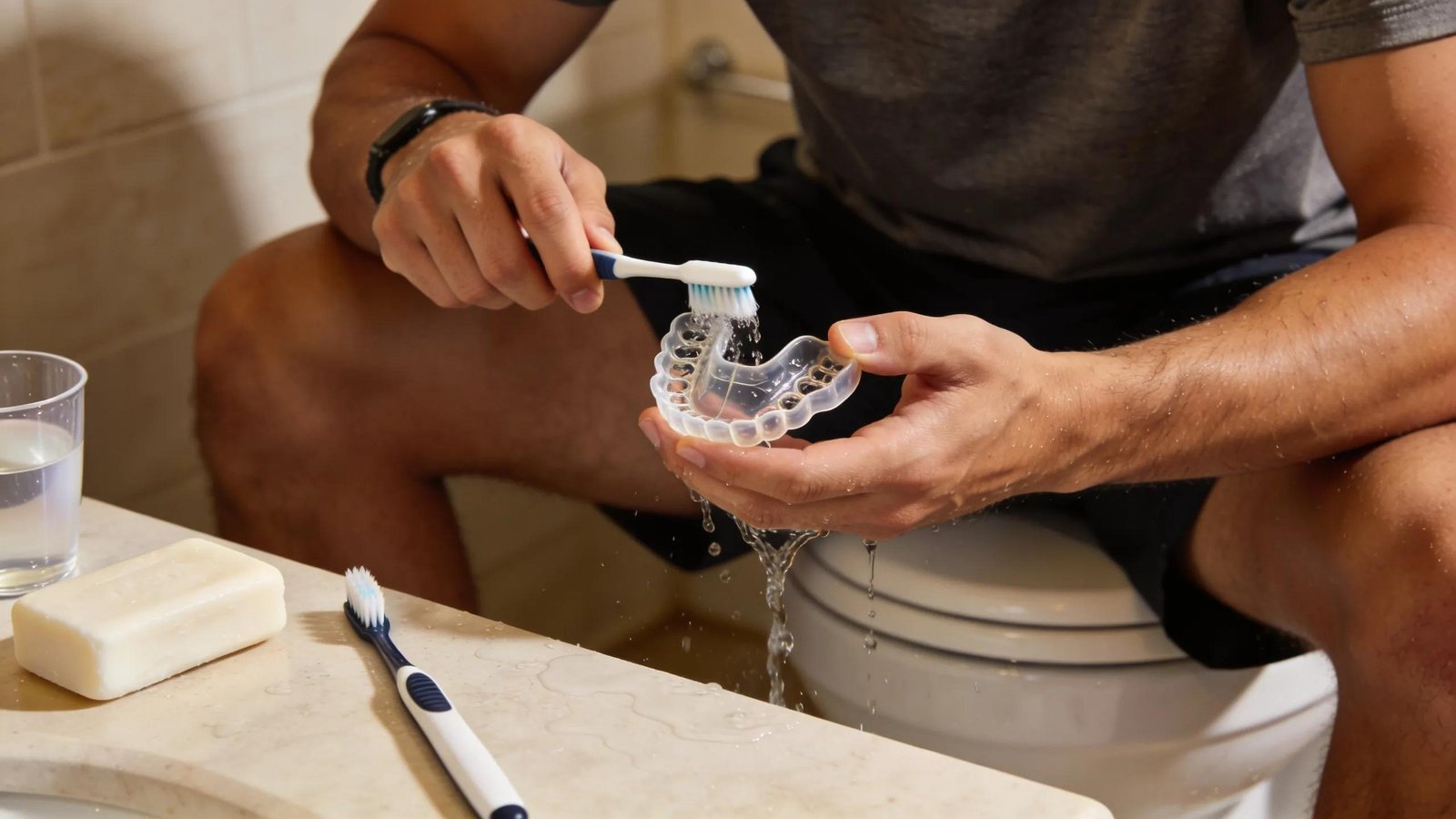
Cleaning and correct storage preserve function and hygiene and reduce bacterial buildup.
What Are the Best Practices for Cleaning and Storing Mouthguards?
Follow these simple care steps:
- Cleaning After Use: Rinse with cold water after every use.
- Deep Cleaning: Occasionally soak in mild soap and water to remove bacteria.
- Storage: Keep in a ventilated protective case to avoid damage.
Regular care keeps the mouthguard hygienic and effective.
When and Why Should You Replace Your Sports Mouthguard?
Replace a mouthguard when any of these apply:
- Visible Wear: Cracks, holes or deformation weaken protection.
- After Growth: Children and adolescents need new guards as their dentition changes.
- Loss of Fit: Replace if the guard becomes loose or unstable.
Inspect the device regularly to ensure ongoing protection as teeth or orthodontic status change.
Frequently Asked Questions
1. What age is appropriate to start using a sports mouthguard?
Children in contact sports should wear a mouthguard as soon as they begin competing. Custom-fitted guards are especially helpful for young athletes because they improve comfort and encourage consistent use as the child grows.
2. Can I use a mouthguard for multiple sports?
Yes. One well-fitting guard can serve across sports, though some competitions or high-contact activities may call for thicker or sport-specific designs. Custom guards suit multi-sport athletes well.
3. How do I know if my mouthguard fits properly?
A proper fit feels comfortable, stays stable and does not interfere with breathing or speech. It should cover the upper teeth and hold gently without pain. Reassess after orthodontic changes.
4. Are there specific mouthguards for orthodontic patients?
Athletes with braces should use guards designed to accommodate appliances. Custom options can be adapted around braces to protect teeth and oral tissues safely.
5. What are the signs that indicate I need a new mouthguard?
Replace the guard if you see cracks, holes, deformation or if it no longer fits securely. For growing athletes, schedule periodic replacements to match dental development.
6. How can mouthguards impact my performance in sports?
A well-fitted mouthguard can reduce discomfort and distraction, helping concentration and confidence. It may also support jaw stability and comfort during exertion.
Conclusion
Custom sports mouthguards deliver superior fit, comfort and safety compared with generic options, helping athletes protect dental health and focus on performance. Regular care and timely replacement keep them effective. Consider a professionally fitted, high-quality mouthguard to reduce dental injuries and improve on-field confidence.