Understanding the Benefits of Dental Implants
Dental implants offer numerous advantages over traditional tooth replacement options like dentures and bridges. They provide a permanent solution for missing teeth, mimicking the function and appearance of natural teeth, which enhances both aesthetics and self-confidence.
In addition to improved appearance, dental implants help preserve jawbone health by stimulating bone growth, preventing the bone loss that often occurs with missing teeth. They also allow for better oral hygiene, as they can be cared for just like natural teeth, eliminating the need for special cleaning solutions required for dentures.
What to Expect During the Dental Implant Procedure
The dental implant procedure typically involves several stages, starting with a thorough consultation and examination to assess the patient's oral health and suitability for implants. This is followed by the surgical placement of the implant into the jawbone, which serves as the foundation for the artificial tooth.
After the implant is placed, a healing period is necessary to allow for osseointegration, where the bone fuses with the implant. Once healed, a custom crown is attached, completing the process. Patients can expect a comfortable experience with minimal downtime, making dental implants a convenient option for restoring their smile.
Maintaining Your Dental Implants for Longevity
Proper maintenance is crucial for the longevity of dental implants. Regular dental check-ups and good oral hygiene practices, such as brushing and flossing, are essential to prevent complications and ensure the health of both the implants and surrounding teeth.
Additionally, patients should avoid harmful habits such as smoking and excessive alcohol consumption, which can negatively impact the success of the implants. By following these guidelines, patients can enjoy their dental implants for many years, with many lasting a lifetime when cared for properly.
Cost Considerations for Dental Implants
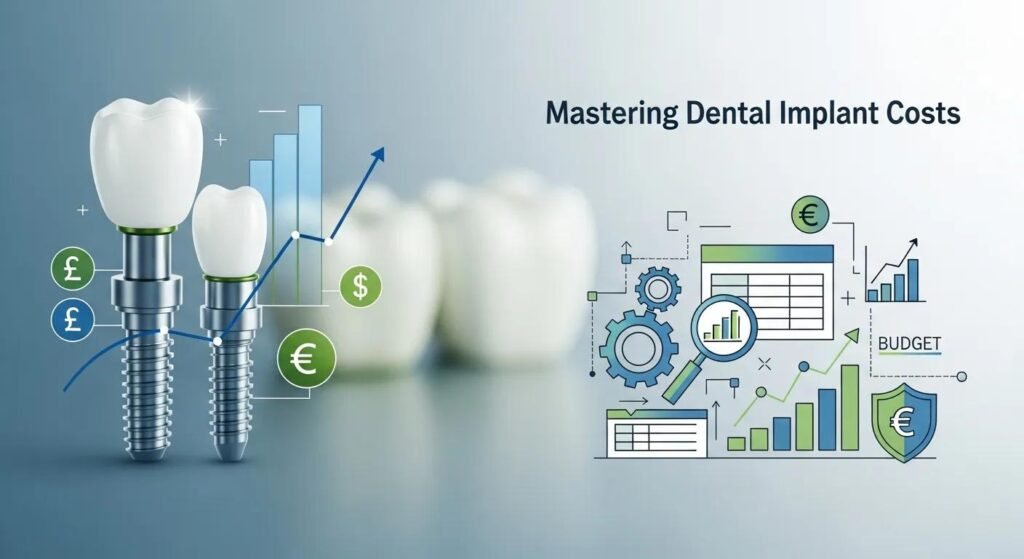
The cost of dental implants can vary based on several factors, including the complexity of the case, the materials used, and the specific dental practice. While they may have a higher upfront cost compared to traditional dentures, the long-term benefits and durability often make them a more cost-effective solution.
Many dental insurance plans offer partial coverage for implants, and financing options may be available to help manage expenses. It's important for patients to discuss costs and payment plans with their dental care provider to find the best solution for their needs.