
The Harmful Impact of Sugary Foods & Drinks on Teeth
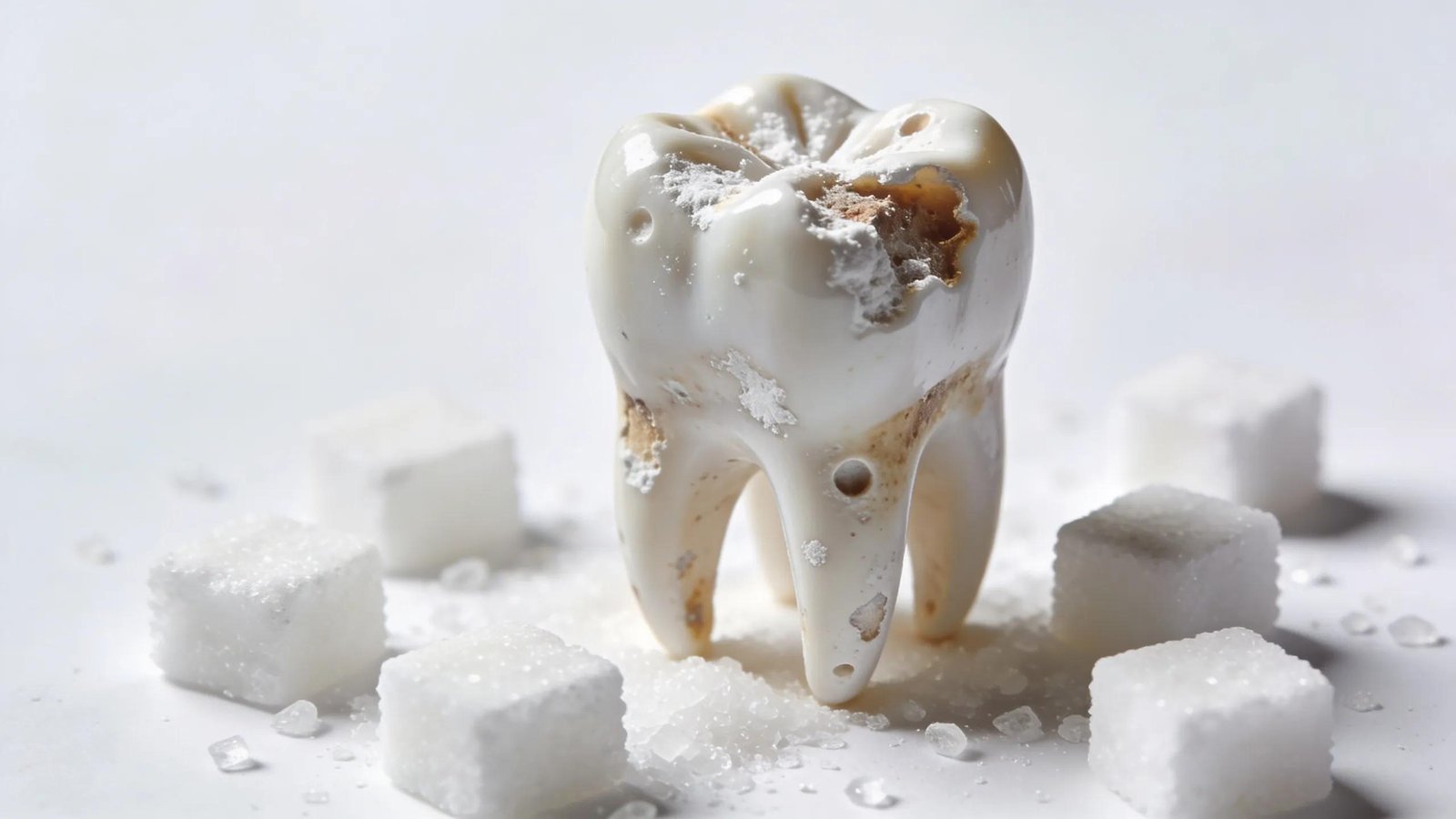
How Sugar Impacts Your Teeth: Risks and Prevention
By Michael Carmy, Dental Care of Rialto
Sugary foods and drinks are widely consumed, yet their impact on oral health is often underestimated. This article explains how sugar contributes to tooth decay, the biological mechanisms behind it, and evidence-based measures to reduce risk. Understanding these effects helps patients make informed dietary choices to support oral health. It addresses causes of decay, consequences, and practical prevention strategies, emphasising the importance of limiting sugar for a healthy smile.
Research consistently demonstrates a clear association between sugar intake and the development of dental caries.
Sugars as the Primary Cause of Dental Caries
Dental caries is a common chronic disease that causes considerable pain and morbidity. Sugars, particularly sucrose, are the principal dietary aetiological factor in caries development. Both the frequency of consumption and the total amount of sugars influence caries risk. The evidence linking sugars to caries is extensive and rests on multiple studies rather than a single definitive trial. That conclusion was summarised by the British Nutrition Foundation’s Task Force on Oral Health, Diet and Other Factors in Europe.Dietary effects on dental diseases, 2001
Causes of Tooth Decay

Tooth decay begins when oral bacteria ferment sugars and produce acids that demineralise and weaken enamel. Repeated or prolonged acid exposure—often due to frequent consumption of sugary foods and drinks—accelerates enamel breakdown and increases the chance of cavities.
Diet also affects broader aspects of oral health, including the risk of enamel erosion from dietary acids.
Diet, Nutrition, and Prevention of Dental Diseases
Diet influences oral health in several ways, including effects on craniofacial development, oral cancer risk and susceptibility to oral infections. Dental diseases can substantially reduce quality of life and are costly to treat. Reviews of the evidence aim to link nutrition and diet with oral disease and to provide dietary recommendations for prevention. Nutrition affects tooth development, and malnutrition may worsen periodontal and infectious oral conditions. The most significant effect of diet on teeth, however, is the local action of foods and drinks in the mouth on the development of dental caries and enamel erosion. Dental erosion is increasing and is strongly associated with dietary acids, a major source of which is soft drinks.Diet, nutrition and the prevention of dental diseases, P Moynihan, 2004
Frequently Asked Questions
What are the long-term effects of tooth decay on overall health?
Untreated tooth decay can lead to local infections that may progress and affect other systems, with possible implications for cardiovascular health and general wellbeing. Long-term outcomes include tooth loss, impaired nutrition and reduced quality of life. Pain and difficulty eating may cause nutritional gaps and psychosocial distress. Maintaining oral health reduces these risks.
How can I identify early signs of tooth decay?
Early signs include sensitivity to hot or cold, visible pits or holes, and changes in tooth colour such as white spots or brown areas. Persistent bad breath or an ongoing unpleasant taste may also indicate decay. Regular dental examinations are important because a clinician can detect early-stage cavities that are not yet obvious. Prompt attention limits the need for more extensive treatment.
Are all sugary foods equally harmful to teeth?
No. Sugary items that are sticky or acidic tend to cling to tooth surfaces and prolong acid exposure, increasing decay risk. Examples include gummies and dried fruits, which can be more cariogenic than sugars consumed quickly and cleared by saliva. Frequency of consumption and subsequent oral hygiene determine overall harm.
Do sugar substitutes affect dental health?
Many sugar substitutes, such as xylitol and erythritol, carry a much lower risk of causing tooth decay than conventional sugars; xylitol may even reduce levels of cavity-causing bacteria. However, some sugar alternatives—especially acidic formulations—can still threaten enamel. Use substitutes thoughtfully and maintain effective oral hygiene to gain potential benefits.
What oral hygiene practices can help prevent tooth decay?
Effective prevention relies on consistent oral hygiene. Brush at least twice daily with fluoride toothpaste and floss daily to remove plaque and debris from interdental spaces. Attend regular dental check-ups and professional cleanings. Limiting sugary snacks, choosing healthier options and rinsing the mouth after sugar consumption further reduce decay risk.
How does the timing of sugar consumption impact tooth decay risk?
The timing and frequency of sugar intake strongly influence decay risk. Frequent snacking on sugary items creates repeated acid attacks on enamel. Consuming sweets with meals is preferable to isolated snacks, since saliva flow increases during meals and helps neutralise acids. Spacing sugary items and practising good oral hygiene afterwards reduces risk.
Conclusion
Recognising the harmful effects of sugary foods and drinks on dental health supports better dietary and oral-care choices. Limiting sugar intake and maintaining consistent oral hygiene substantially reduce the risk of tooth decay. Prioritise dental health by combining balanced nutrition with regular dental check-ups and evidence-based home care to protect teeth and oral wellbeing.