
Oral Sedation Dentistry in Rialto, CA: Stress-Free Dental Visits
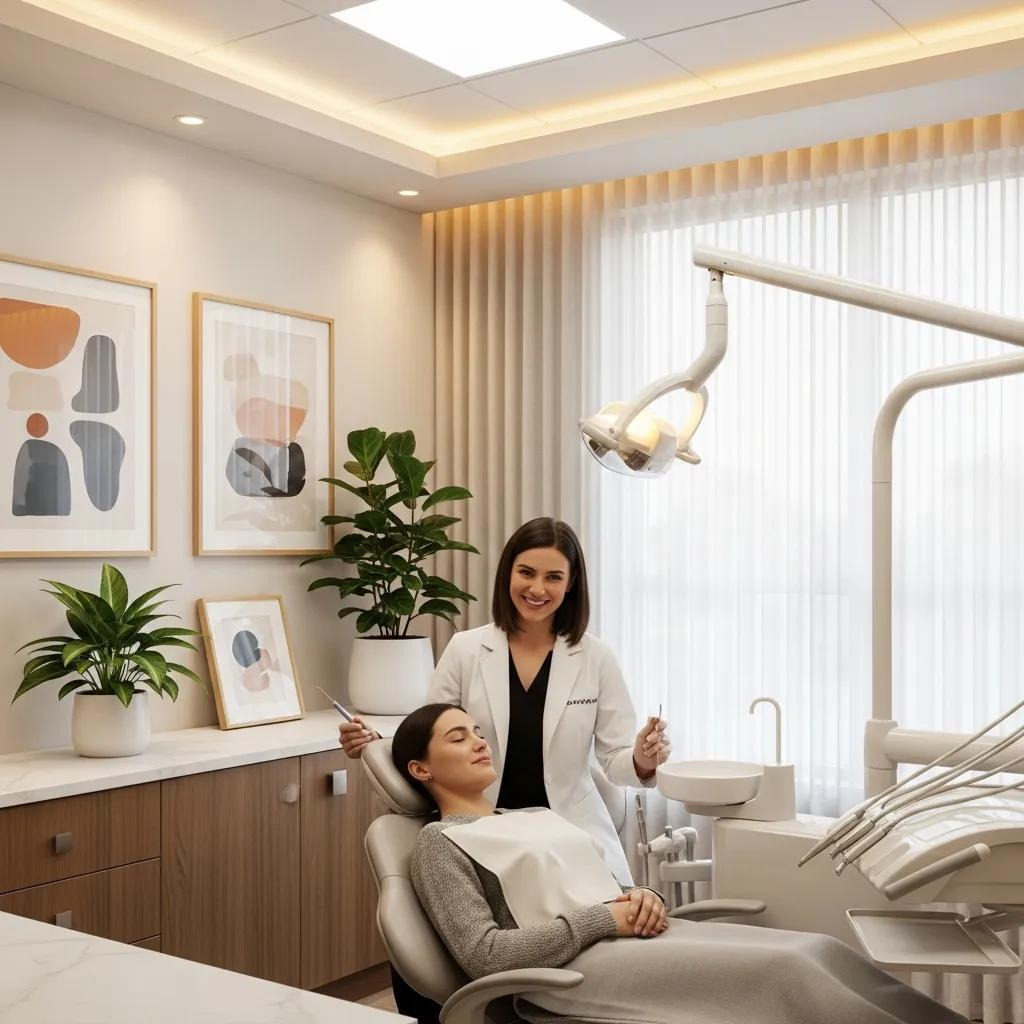
Oral sedation dentistry offers a transformative approach for individuals who experience anxiety during dental visits. This method utilizes sedative medications to help patients relax, making dental procedures more manageable and less stressful. In Rialto, CA, Dental Care of Rialto specializes in providing anxiety-free dental care through oral sedation, ensuring that patients can receive necessary treatments without fear or discomfort. This article will explore the various aspects of oral sedation dentistry, including its definition, benefits, types of sedation available, and what patients should know about preparation and recovery. By understanding these elements, patients can make informed decisions about their dental care and experience a more comfortable visit.
Oral Sedation for Stress-Free Dental Visits in Rialto & Nearby Cities
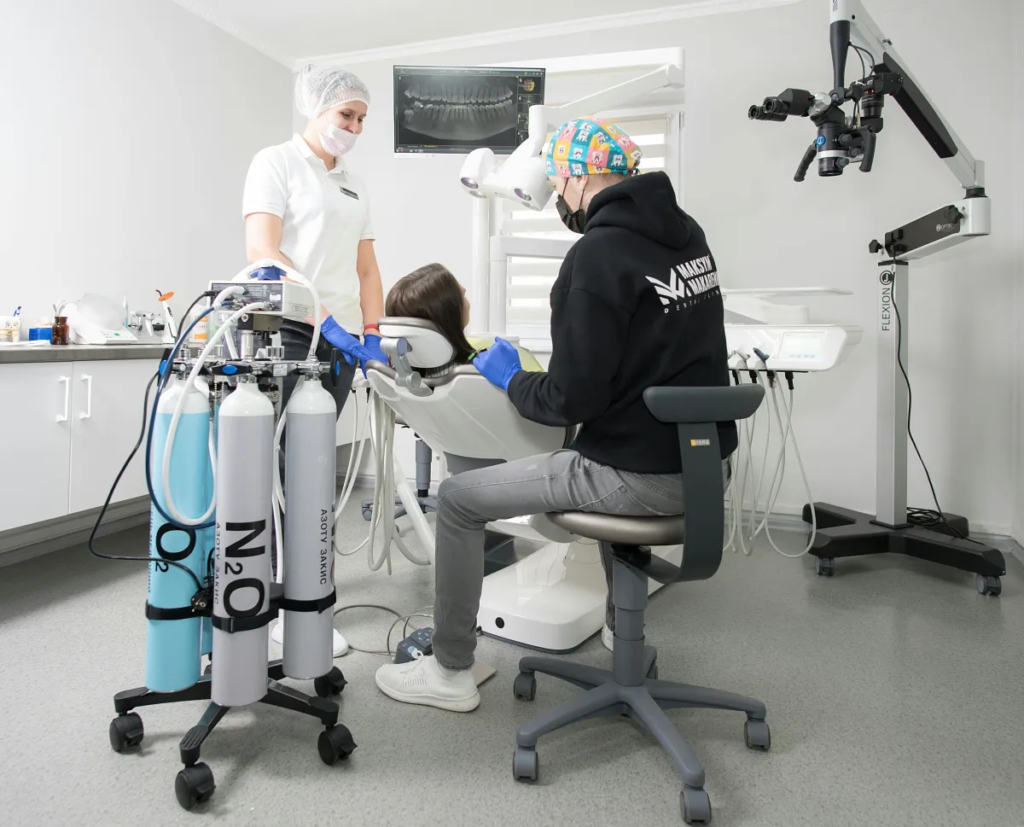
Oral sedation dentistry is a technique that involves administering sedative medications to help patients feel relaxed and calm during dental procedures. This approach is particularly beneficial for those who experience significant anxiety or fear related to dental visits. The sedatives work by depressing the central nervous system, which reduces anxiety and allows patients to undergo necessary treatments without distress. As a result, patients often report a more positive experience and increased willingness to seek dental care.
Understanding Oral Sedation: Definition and Purpose
How Oral Sedation Reduces Anxiety During Dental Procedures
Which Types of Dental Sedation Are Offered at Dental Care of Rialto?
At Dental Care of Rialto, various types of sedation methods are available to cater to different patient needs. Understanding these options can help patients choose the most suitable method for their comfort and treatment requirements.
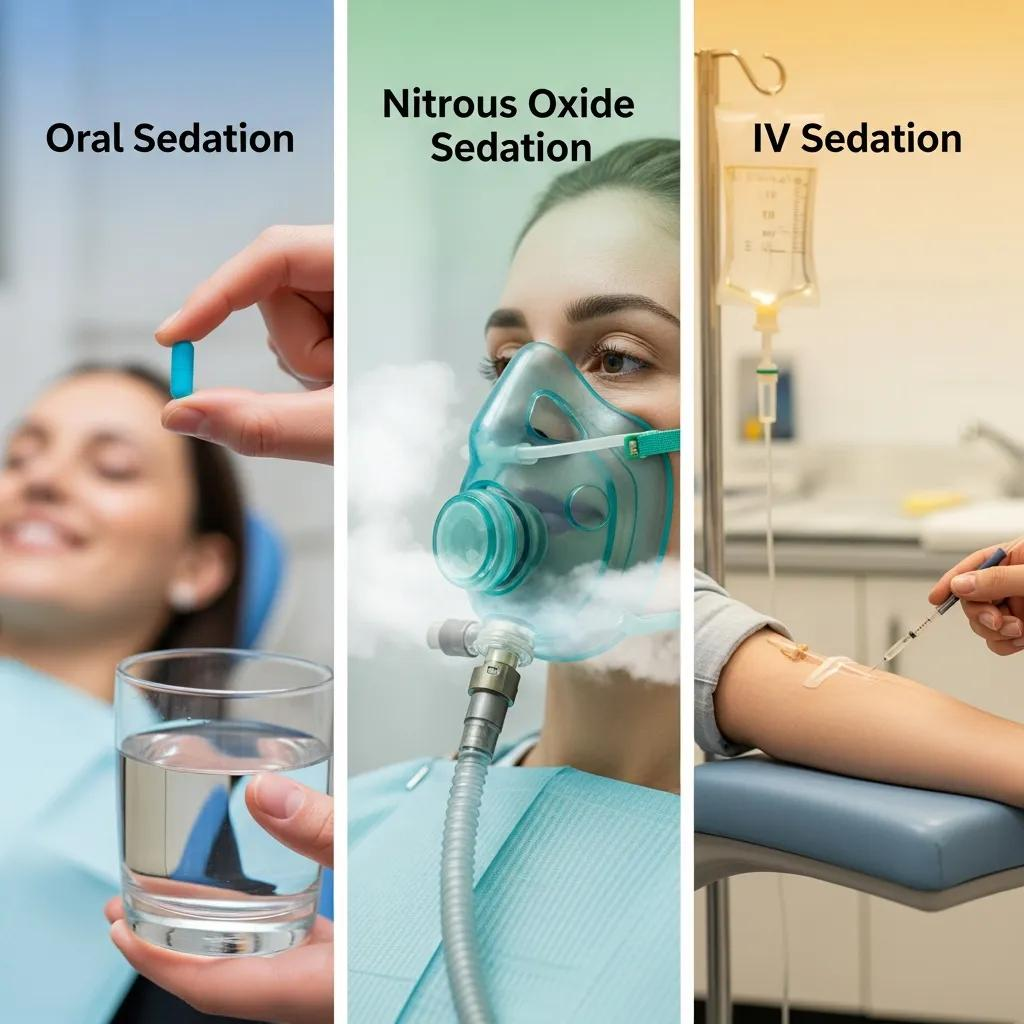
Overview of Sedation Methods: Oral, Nitrous Oxide, and IV Sedation
- Oral Sedation: This method involves taking a sedative pill before the appointment, allowing patients to feel relaxed during their procedure.
- Nitrous Oxide Sedation: Commonly known as “laughing gas,” this inhaled sedative provides a quick onset of relaxation and is easily adjustable during the procedure.
- IV Sedation: This method delivers sedatives directly into the bloodstream, allowing for deeper sedation and often slower recovery times compared to oral sedation.
Choosing the Right Sedation Type Based on Patient Needs
What Are the Benefits and Potential Side Effects of Oral Sedation Dentistry?
Oral sedation dentistry offers numerous benefits, making it an appealing option for many patients. However, it is also essential to be aware of potential side effects associated with sedation.

Advantages of Anxiety-Free Dental Care for Patient Comfort and Safety
- Enhanced Comfort: Patients experience reduced anxiety, making dental visits more pleasant.
- Increased Cooperation: Sedation helps patients remain calm and still during procedures, improving treatment outcomes.
- Memory Loss: Many patients have little to no recollection of the procedure, which can alleviate fear of future visits.
These advantages contribute to a more positive overall experience, encouraging patients to prioritize their dental health.
Common Side Effects and How They Are Managed
- Drowsiness: Patients may feel sleepy after the procedure, which typically resolves within several hours.
- Nausea: Some individuals may experience mild nausea, which can be managed with appropriate medications.
- Dry Mouth: Sedation can lead to temporary dry mouth, but hydration and saliva substitutes can help alleviate this discomfort.
How Does Sedation Dentistry Support Complex Procedures Like Dental Implants?
Sedation dentistry plays a crucial role in facilitating complex dental procedures, such as dental implants, by enhancing patient comfort and reducing anxiety.
Role of Sedation in Enhancing Patient Experience During Implant Surgery
Integrating Sedation Techniques with Implant Treatment Plans
What Should Patients Know About Preparing for and Recovering from Oral Sedation?
Preparation and recovery are critical components of the oral sedation process. Understanding these aspects can help ensure a safe and effective experience.

Pre-Procedure Guidelines to Ensure Safety and Effectiveness
- Consultation: Discuss medical history and any medications with the dental team.
- Fasting: Patients may be advised to avoid food and drink for a certain period before the procedure.
- Transportation: Arrange for a responsible adult to accompany them home after the procedure, as sedation can impair coordination.
Post-Sedation Care and Recovery Recommendations
- Rest: Allow time to recover fully before resuming normal activities.
- Hydration: Drink plenty of fluids to help flush out the sedative from the system.
- Monitor Symptoms: Be aware of any unusual symptoms and contact the dental office if concerns arise.
Frequently Asked Questions
Oral sedation dentistry uses prescribed medication to help patients feel relaxed and comfortable during dental procedures. At Dental Care of Rialto, oral sedation is a safe and effective option for patients who experience dental anxiety or need help staying calm during treatment.
Oral sedation may be ideal for patients with dental anxiety, a strong gag reflex, sensitive teeth, or those undergoing longer procedures. During your consultation in Rialto, CA, we’ll review your medical history to determine if oral sedation is the right option for you.
Oral sedation typically places patients in a deeply relaxed state, but most remain awake and responsive during treatment. Many patients remember very little of the procedure afterward due to the calming effects of the medication.
Yes. Oral sedation is considered very safe when administered by trained dental professionals. At Dental Care of Rialto, we carefully review your health history and monitor you throughout the procedure to ensure your safety and comfort.
You may be asked to avoid eating for several hours before your appointment and arrange for a trusted friend or family member to drive you home afterward. Our team will provide detailed instructions prior to your visit.
Oral sedation can be used for many dental treatments including dental implants, tooth extractions, root canals, and other restorative or cosmetic procedures. It allows patients to receive the care they need while feeling calm and comfortable.